Camel safaris in Kenya are slow walking safaris through the wild north, where camels carry the camp and you explore on foot with Samburu guides, riding when you tire. African Safari Trails arranges Kenya camel safaris across Laikipia and Samburu, a true off-the-beaten-track adventure. It is one of the most authentic, hands-on ways to travel the African bush.
The camel safari is northern Kenya’s own invention and one of Africa’s most hands-on ways to travel. Rather than ride in a vehicle, you walk through the wild country of Laikipia and Samburu with experienced Samburu guides, while a string of camels carries your tents, water and gear to the next camp, with a few riding camels along for when legs tire. Days unfold to footfall, firelight and stars. African Safari Trails arranges these remote walking-and-camel adventures.
What a Camel Safari Is
A camel safari is a mobile walking safari supported by camels. You set out on foot in the cool of the morning with your guides, while the pack camels and crew take a direct route ahead to set up the next camp, so you arrive to pitched tents, hot bucket showers and lunch waiting.
The camels carry everything, the camp, the water, the supplies, and the riding camels are there for tired walkers, which children especially love. It is slow, simple travel through wild country, covering ground a vehicle never could. The camels are the engine of it. African Safari Trails arranges the camels, crew and guides.
Walking the Wild North
Camel safaris explore the remote north, the vast Laikipia Plateau, the Samburu lands, the forested Karisia Hills and the Mathews Range north of Mount Kenya. This is open, ancient country of rocky outcrops, sand rivers and acacia plains, far from roads, vehicles and crowds.
You walk through it at the pace of the land itself, climbing kopjes for the view, following sand rivers and crossing footpaths used by herders for generations. The remoteness and space are the whole appeal. Few travellers ever see this Kenya. African Safari Trails builds routes through the wildest north.
There is a rhythm to a camel safari that no game drive can match. You walk in the cool of the morning, the camels padding behind with the camp on their backs, your Samburu guide naming the tracks in the sand and the birds in the thorn trees. By midday the tents are pitched in a new place you have never seen, and the afternoon is for shade, stories and the slow African dusk. At night there is only the fire, the guides singing softly, and a sky thick with stars.
Samburu Guides and Their Knowledge
The Samburu guides are the soul of a camel safari. Close cousins of the Maasai, these warriors and trackers know the land intimately, reading tracks, finding water, naming every plant and bird, and sharing the culture and lore of a people who have lived here for generations.
They guide, track and often sing as they walk, and their company turns the safari into a deep immersion in both wildlife and Samburu life. Their knowledge is impossible to match from a guidebook. The guiding is what makes it. African Safari Trails pairs you with expert Samburu guides.
Wildlife on a Camel Safari
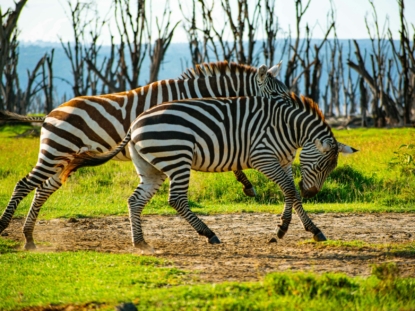
Wildlife on a camel safari is seen on foot, so it is shyer and usually at a distance, the experience being about closeness and understanding rather than big numbers. You may meet reticulated giraffe, elephant, common and Grevy’s zebra, gerenuk, oryx, lesser kudu and plenty of plains game, along with rich birdlife that makes the walks a treat for anyone keen on bird watching.
The walks keep away from the most dangerous game areas for safety, focusing instead on the wider wild country and its smaller life. Sightings are quieter but more personal than from a vehicle. The bush feels truly wild on foot. African Safari Trails sets honest expectations for walking wildlife.
Camp Life and Comfort Levels
Camp life is simple and magical. Each night the camp is set in a new spot, with meals cooked over the fire, freshly dug long-drop loos, warm bucket showers and tents pitched under the stars, the whole operation packed up and moved by camel the next day.
Comfort levels range from luxury walk-in tents with private bathrooms to classic dome tents with shared facilities and the most basic, pared-back option for keen walkers. All share the same campfire evenings and starlit nights. The simplicity is part of the charm. African Safari Trails matches the comfort level to you.
Samburu Skills and Cultural Activities
A camel safari is as much cultural as wild. Along the way the Samburu share their skills, fire-making without matches, spear-throwing, tracking and reading the bush, and you may visit a village or market on one of the region’s richest cultural tours, or the famous singing wells where herders draw water for their livestock.
Evenings around the fire bring songs, stories and a closeness to your guides that a lodge cannot offer. For families, learning these skills is a highlight, and children take to the riding camels at once. The cultural side runs through everything. African Safari Trails can build in village and singing-well visits.
Camel-supported walking
Walk the wild north on foot while camels carry the camp, with riding camels along for tired walkers, especially loved by children.
The remote north
Laikipia, Samburu, the Karisia Hills and Mathews Range, ancient roadless country of kopjes, sand rivers and acacia plains.
Samburu guiding
Expert Samburu warriors who track, find water, name every plant and bird, and share the culture of their people as you walk.
Mobile fly-camps
A new camp each night, moved by camel, with fireside meals, bucket showers and tents under a sky thick with stars.
Who a Camel Safari Suits
Camel safaris suit travellers who want adventure and immersion over comfort and big-game checklists, those happy to walk, camp simply and trade luxury for a real wilderness experience. They reward a sense of curiosity and a willingness to slow down.
They need only a reasonable level of fitness, since the walking is at a steady pace in the cool hours and the riding camels carry the tired, and they make surprisingly good family safari trips, with children as young as four having taken part. They are not for those wanting lodge polish. The right traveller loves them. African Safari Trails matches the trip to your group.
Best Time for a Camel Safari
The dry seasons are the best time for a camel safari, when the ground is firm, the rivers crossable and the heat manageable in the early hours. The rains can make the going hard in this remote country.
June to October (dry season)
The prime window, with firm ground, comfortable cool mornings and wildlife drawn to the remaining water, ideal for walking the north.
December to March (short dry season)
Warm and mostly dry, good for walking and camel travel, with pleasant early starts before the heat builds through the day.
April to May, November (rains)
Greener but harder going, with wet ground, swollen sand rivers and heat, so the long rains in particular are best avoided.
Come for the immersion, pack light and simple, and trust the camels. A camel safari is about slow, deep wilderness travel rather than ticking off big game, so come ready to walk, camp simply and let the pace of the land set the rhythm, and you will find it one of the most rewarding ways to see Kenya. Pack light, in muted colours, with sturdy broken-in walking shoes, a hat, sunscreen and a warm layer for the chilly mornings and fireside evenings. Don’t worry if you tire on the walk, the riding camels are there for exactly that, and children love the view from on high. The dry months from June to October give the firmest ground and easiest going. African Safari Trails sorts the camels, crew, guides and route.
Getting There and Planning
Camel safaris start in the north, usually reached by a short flight from Nairobi to Nanyuki or a Laikipia airstrip, then a road or camp transfer to where the camels and crew are waiting. Trips run from a few nights to a week or more, walking point to point or out from a base camp.
They are usually combined with a wider Kenya safari or a stay at a Laikipia or Lewa conservancy, balancing the walking with game drives and rest, and they sit among the more unusual things to do in Kenya. A little planning sets up a smooth, remote adventure. The logistics are best left to an operator. African Safari Trails arranges the flights, camels and full support.
Camel Safaris in Kenya FAQ
What is a camel safari in Kenya?
It is a mobile walking safari in the northern Laikipia and Samburu country, where you explore on foot with Samburu guides while camels carry the camp, water and gear to the next site, with riding camels for tired walkers. It is slow, absorbing wilderness travel. African Safari Trails arranges these remote adventures.
Do you ride the camels or walk?
Mostly you walk, with the camels carrying the camp and supplies, but riding camels come along for when you tire, and children in particular love riding them. The walking is at a steady pace in the cool hours. It is a walking safari with camel support rather than a camel ride. African Safari Trails sets it up to suit your group.
Will you see much wildlife on a camel safari?
You will see wildlife, but on foot it is shyer and usually at a distance, so the experience is about closeness, tracking and the smaller life rather than big numbers, with giraffe, zebra, gerenuk, oryx and plenty of birds likely. The walks avoid the most dangerous game areas. African Safari Trails sets honest expectations.
Are camel safaris suitable for families?
Yes, surprisingly so. The pace is gentle, the riding camels carry tired children, and youngsters love both the camels and the Samburu bushcraft, with children as young as four having taken part on some trips. It makes a memorable family adventure. African Safari Trails matches the trip to your family.
How comfortable are camel safaris?
Comfort ranges from luxury walk-in tents with private bucket showers and loos to classic dome tents with shared facilities and a pared-back basic option, all with fireside meals and tents under the stars. They favour adventure over lodge polish. African Safari Trails matches the comfort level to you.
When is the best time for a camel safari?
The dry seasons from June to October and December to March are best, with firm ground, crossable sand rivers and comfortable cool mornings, while the rains make the remote going hard and are best avoided. African Safari Trails times the safari for the best conditions.
Plan Your Kenya Camel Safari with African Safari Trails
Reaching the remote north, lining up the camels, crew and Samburu guides, choosing the right route and comfort level and combining the walking with game drives all go more smoothly with someone who knows this corner of Kenya, so you get a genuine wilderness adventure rather than a logistical headache. African Safari Trails has spent years building camel and walking safaris across Laikipia and Samburu, working with the Samburu guides who make these trips what they are. They will tell you straight what to expect from walking the north, how many nights to give it and how to pair it with a wider safari, and handle the flights, camels and full support quietly in the background.
Want a proper quote, or just a steer on planning a camel safari? Reach out to African Safari Trails and a real person gets back to you.