Mountain climbing in East Africa ranges from Kilimanjaro, the highest peak in Africa, to Mount Kenya, the Rwenzori glaciers and the Virunga volcanoes. African Safari Trails arranges climbs and treks across the region, from Uhuru Peak to easier volcano hikes. Kilimanjaro is the great prize, walkable without technical skill.
East Africa holds the continent’s great mountains. Kilimanjaro, the highest in Africa, rises alone above the Tanzanian plains; Mount Kenya is a jagged volcanic crown on the equator; the Rwenzori carry glaciers in the heart of the tropics; and the Virunga volcanoes straddle the borders of Rwanda, Uganda and Congo. From a walkable summit at nearly six thousand metres to a half-day crater hike, there is a climb for every level. African Safari Trails arranges the guides, permits and porters.
Where to go
Mountain Climbing across East Africa.
Why Climb in East Africa
Few regions offer mountains like these. You can stand on the highest point in Africa without technical climbing skill, trek through five climate zones in a few days, walk among equatorial glaciers, or hike a volcano to a crater lake, all in countries better known for their wildlife.
The variety is the appeal, from the world-famous Kilimanjaro to quiet volcanoes few have heard of, and every climb pairs easily with a safari. The warm, dry highland weather makes for long, fine days. The mountains reward every ambition. African Safari Trails matches the climb to your fitness.
Kilimanjaro: the Roof of Africa
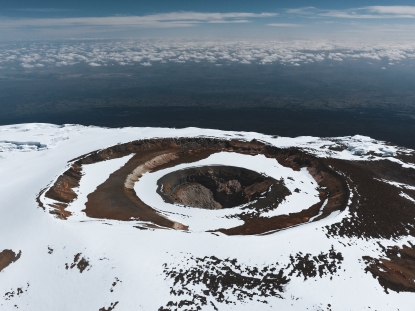
Kilimanjaro, in northern Tanzania, is the highest mountain in Africa and the highest free-standing mountain in the world, its snow-capped dome rising nearly six thousand metres above the plains. Its summit, Uhuru Peak, is reached on foot over several days, with no technical climbing skill required, only fitness and respect for altitude.
The climb passes through rainforest, moorland, alpine desert and finally the glaciers of the summit, a climb through five worlds in one mountain. It is the great prize of African trekking. The summit is within reach of fit walkers. African Safari Trails arranges Kilimanjaro climbs end to end.
Climbing Kilimanjaro: the Routes
Kilimanjaro has several routes, each with its own character and length. Machame and Lemosho are scenic and favour good acclimatisation, Marangu is the shortest with hut accommodation, Rongai approaches from the drier north, and the Northern Circuit is the longest and best for summit success.
Longer routes of seven or eight days give the body time to adjust and raise your chances of reaching the top, so the extra days are worth it. The summit push starts before midnight for a dawn arrival. Acclimatisation is everything. African Safari Trails picks the route to suit your time and fitness.
Trekking Mount Kenya
Mount Kenya, Africa’s second-highest peak, is an ancient volcano on the equator with three summits. Most trekkers aim for Point Lenana, the walking summit at just under five thousand metres, reached over four to six days through forest, moorland and alpine country, while the rock peaks of Batian and Nelion are technical climbs.
Quieter than Kilimanjaro, Mount Kenya offers superb scenery and good acclimatisation, with routes like Sirimon and Chogoria each rewarding in their own way. It is one of Africa’s finest treks. The crowds are far thinner. African Safari Trails arranges Mount Kenya treks and guides.
The last hours to the summit are the hardest and the most beautiful. You climb in the dark by headtorch, the cold biting and the air thin, each step slower than the last, until the eastern sky begins to pale. Then the sun lifts over the curve of Africa, the glaciers turn pink and gold around you, and you stand on the roof of the continent with the plains spread out far below and the whole world, it seems, beneath your boots.
The Rwenzori Mountains, Uganda
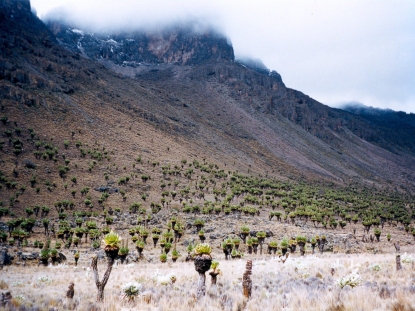
The Rwenzori, on Uganda’s western border, are the fabled Mountains of the Moon, a range of glaciated peaks rising from tropical forest, with Margherita Peak the third-highest point in Africa. This is a wilder, wetter, more demanding climb than Kilimanjaro, with boggy valleys, dramatic vegetation and snow and ice near the top.
The full climb to Margherita takes a week or more and needs some technical skill on the glacier, while shorter treks reach the lower peaks and valleys. It is a connoisseur’s mountain, remote and rarely crowded. The scenery is otherworldly. African Safari Trails arranges Rwenzori treks for the committed.
Mount Meru and the Acclimatisation Peaks
Mount Meru, near Kilimanjaro in Tanzania, is a fine climb in its own right and the classic warm-up for the bigger mountain, a striking volcano of around four and a half thousand metres climbed over three or four days with wildlife on its lower slopes.
Other peaks serve the same purpose, building fitness and altitude before Kilimanjaro, and reward climbers with a quieter, wilder experience. Meru’s knife-edge summit ridge is a highlight. It is underrated as a goal in itself. African Safari Trails often pairs Meru with Kilimanjaro.
Hiking the Virunga Volcanoes
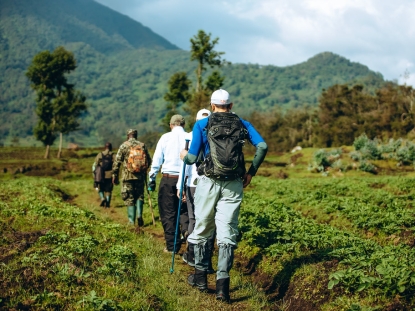
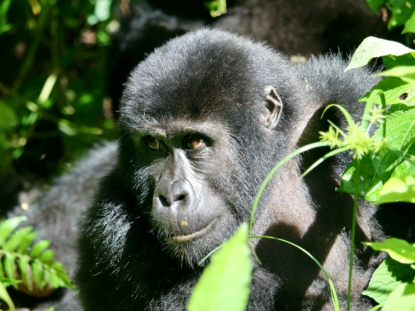
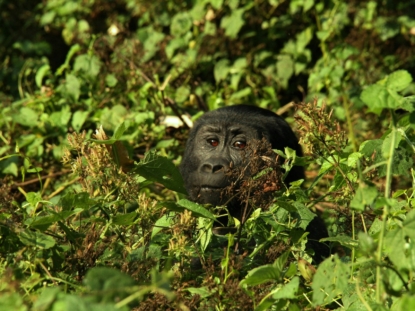
The Virunga volcanoes, shared by Rwanda, Uganda and Congo, offer shorter but rewarding climbs alongside the gorillas. In Rwanda, Bisoke’s crater lake and the higher Karisimbi are popular day and overnight hikes, while Uganda’s Mgahinga has the cones of Muhabura, Gahinga and Sabyinyo.
These hikes range from a half day to two, through forest and bamboo to open summits with views across the chain of volcanoes, and pair perfectly with gorilla trekking. They are accessible to fit hikers. The volcano scenery is dramatic. African Safari Trails builds volcano hikes into a gorilla trip.
Mount Elgon and Other Peaks
On the Uganda-Kenya border, Mount Elgon is a vast, ancient shield volcano with one of the largest calderas in the world, climbed through forest and moorland to high points above four thousand metres, far quieter than its famous neighbours. The Aberdares in Kenya and Mount Longonot in the Rift Valley add more.
These lesser peaks reward those wanting solitude and scenery without the crowds or the altitude of the giants. Elgon’s caldera and caves are a highlight. There is always another mountain to find. African Safari Trails can arrange the quieter peaks.
Kilimanjaro, Tanzania
The highest peak in Africa, walkable to Uhuru Peak over several days through five climate zones, no technical skill needed.
Mount Kenya
Africa’s second-highest, with the Point Lenana trek over four to six days and the technical rock peaks of Batian and Nelion.
The Rwenzori, Uganda
The glaciated Mountains of the Moon, a wild, wet, demanding climb to Margherita, Africa’s third-highest point.
Volcano hikes
Mount Meru, the Virunga volcanoes of Rwanda and Uganda, and Mount Elgon, from half-day climbs to multi-day treks.
Who Can Climb: Treks to Technical Routes
There is a climb for every level. The big walking summits, Kilimanjaro and Point Lenana, need fitness and altitude tolerance but no technical skill, while volcano hikes suit fit day-walkers and the rock peaks of Mount Kenya and the Rwenzori glaciers are for experienced mountaineers.
Being honest about your fitness and experience lets a guide choose the right mountain and route, and altitude, not difficulty, is the main reason people turn back. There is a peak to match any ambition. Preparation makes the climb. African Safari Trails matches the mountain to your ability.
Best Time for Climbing
The dry seasons are best for climbing across the region, with safer trails and clearer summit views. The long rains turn paths to mud and are best avoided on the bigger mountains.
January to March (dry season)
Stable, drier weather and clear views, a prime window for Kilimanjaro, Mount Kenya and the volcano hikes.
June to October (dry season)
The other main climbing season, with good conditions across Kilimanjaro, the Rwenzori and the peaks, alongside the safari season.
April to May, November (rains)
Wet, muddy and slippery with poor visibility, so the long rains in particular are best avoided on the higher mountains.
Choose a longer route, acclimatise properly, and pack for cold even on the equator. On the high mountains, altitude is the main reason climbers fail to summit, so choose a longer route that builds in acclimatisation rather than a rushed ascent, and walk slowly. Be honest about your fitness so a guide picks the right peak, since the walking summits and the technical routes are worlds apart. Even these equatorial mountains are bitterly cold near the top, so pack proper warm and waterproof layers, broken-in boots, gloves and a headtorch for pre-dawn summit pushes. A licensed guide and a good crew of porters are required on the big peaks and make the smaller ones safer too. African Safari Trails handles the guides, permits and gear advice.
Combining a Climb with Safari
Climbing pairs naturally with the rest of East Africa. Kilimanjaro and Meru sit beside the great Tanzanian parks, so a climb combines with the Serengeti and Ngorongoro; Mount Kenya links to the Kenyan plains; and the Virunga volcanoes go hand in hand with gorilla trekking.
Building a climb and a safari together makes the most of a long-haul trip and balances hard effort with the gentler pleasures of a game drive. Around a week or two covers a climb plus wildlife. The two sides complement each other. African Safari Trails plans the climb and safari as one trip.
Planning a Climbing Trip
Most of the great climbs are reached through Arusha or Kilimanjaro for Tanzania, Nairobi for Mount Kenya, and Entebbe or Kigali for the Rwenzori and the volcanoes. The big mountains need licensed guides, porters and permits, all arranged through an operator.
A climb is best planned well ahead, with the route, days and acclimatisation chosen to give the best chance of the summit. A good operator bundles guides, permits, porters and gear. The preparation pays off on the mountain. African Safari Trails arranges the full climbing package.
Mountain Climbing in East Africa FAQ
What is the highest mountain in East Africa?
Kilimanjaro in Tanzania, at nearly six thousand metres, is the highest in Africa and the highest free-standing mountain in the world, walkable to its summit without technical skill. Mount Kenya is the second-highest, and the Rwenzori’s Margherita the third. African Safari Trails arranges climbs of all of them.
Do you need climbing experience for Kilimanjaro?
No, Kilimanjaro is a walking climb needing fitness and altitude tolerance rather than technical skill, with the summit reached on foot over several days. The same is true of Mount Kenya’s Point Lenana, while the rock peaks and Rwenzori glaciers need real mountaineering. African Safari Trails matches the mountain to your ability.
How much does it cost to climb Kilimanjaro?
A guided Kilimanjaro climb typically runs into the low thousands of US dollars per person, depending on the route and days, and including park fees, guides, porters, meals and camping. Longer routes cost more but improve summit chances. African Safari Trails gives a clear, all-in quote.
How many days do you need to climb Kilimanjaro?
Most routes take six to eight days, and the longer ones give better acclimatisation and a higher chance of reaching the summit, so the extra days are well worth it. Shorter routes raise the risk of altitude sickness. African Safari Trails advises on the best route and length.
Can you combine a climb with a safari or gorillas?
Yes, easily. Kilimanjaro and Meru pair with the Tanzanian parks, Mount Kenya with the Kenyan plains, and the Virunga volcanoes with gorilla trekking, all within one trip. A climb plus wildlife makes a fine fortnight. African Safari Trails builds the climb into a wider itinerary.
When is the best time to climb?
The dry seasons from January to March and June to October give the safest trails and clearest views, while the long rains from April to June and the November rains bring mud and poor visibility, best avoided on the higher peaks. African Safari Trails times the climb for the best conditions.
Plan Your East Africa Climb with African Safari Trails
Choosing the right mountain and route for your fitness, building in enough days to acclimatise, lining up licensed guides and porters and pairing the climb with a safari or gorillas all go more smoothly with someone who knows the region’s peaks, so you reach the summit and enjoy the wildlife rather than turning back exhausted on a rushed schedule. Climbing is one of the most rewarding of the region’s safari types and activities. African Safari Trails has spent years building climbs and trekking-and-safari trips across Tanzania, Kenya, Uganda and Rwanda, with mountain guides who know the routes, weather and altitude. They will tell you straight which climb suits you, how many days you need and how to add a safari, and handle the guides, permits and transfers quietly in the background.
Want a proper quote, or just a steer on planning a climb? Reach out to African Safari Trails and a real person gets back to you.