Dolphin watching in Tanzania centres on Kizimkazi in southern Zanzibar, where resident bottlenose and humpback dolphins live in the Menai Bay Conservation Area year-round. African Safari Trails arranges Tanzania dolphin watching trips with ethical operators that keep a respectful distance. Done responsibly, it is a gentle, rewarding side of a Zanzibar beach stay and one of the finer things to do in Tanzania.
Watching wild dolphins off Zanzibar can be a real highlight of a beach stay, but only if it is done right. The waters off the southern village of Kizimkazi hold resident pods of dolphins all year, and an early-morning boat trip gives a high chance of seeing them. The catch is that careless tours that chase and crowd the pods do real harm, so the choice of operator matters more than anywhere. Pick a responsible one, and African Safari Trails will.
What Dolphin Watching in Tanzania Involves
Dolphin watching means heading out by small boat, usually at dawn, to find the resident pods that live off Zanzibar’s coast, watching them surface, swim and play in their own waters. Trips are short, often a couple of hours, and best early when the sea is calm and the dolphins active.
With a good operator the boat keeps a respectful distance and lets the dolphins come and go on their own terms, which both protects them and makes for a calmer sighting. The dolphins are wild, so nothing is guaranteed. African Safari Trails arranges the boat and an ethical guide.
Dolphin Watching at Kizimkazi
Kizimkazi, a small fishing village on Zanzibar’s southern tip, is the heart of Tanzanian dolphin watching, its resident pods drawing visitors year-round and giving a high chance of a sighting, often around eighty per cent. The village economy has grown around the dolphins, bringing jobs to a once-remote community.
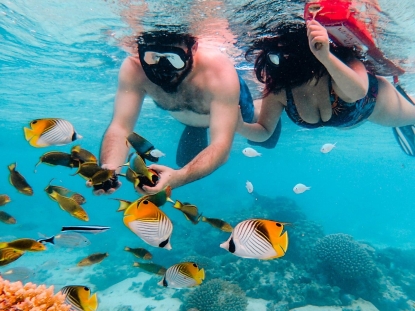
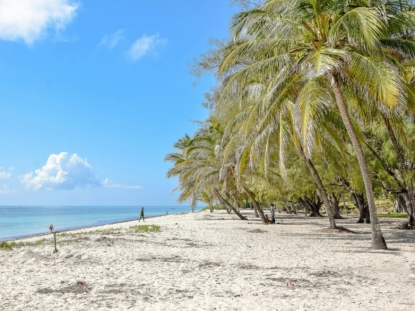
Trips leave early from the beach by small boat into the calm bay, and many combine the dolphins with snorkelling on a nearby reef and a picnic on a sandbank. It is the most reliable dolphin spot in the country. African Safari Trails arranges Kizimkazi dolphin trips with responsible operators.
The honest truth about dolphin watching at Kizimkazi is that the experience is only as good as the operator. A careful skipper cuts the engine and waits, letting the pod surface and circle on its own terms, and the dolphins often stay. A bad one guns the boat after them, scattering the pod and stressing the animals. Same bay, same dolphins, completely different outcome, for you and for them.
The Dolphins of Menai Bay
The dolphins live in the Menai Bay Conservation Area, a protected stretch of Zanzibar’s southern coast set up in 1997 to safeguard its fish and marine life. Two species are resident here: the bold, curious bottlenose dolphin and the shier Indo-Pacific humpback dolphin, both present throughout the year.
Because the pods are resident rather than migratory, dolphin watching works in any month, unlike the seasonal whales. The bay itself is a pretty, sheltered piece of coast. Protecting it is what keeps the dolphins there. African Safari Trails supports trips that respect the conservation area and its dolphins.
Dolphin Watching at Mnemba
Dolphins also turn up in the north, and dolphin watching there often happens by happy accident on a snorkeling trip. The reef around Mnemba island, off Zanzibar’s north-east, frequently sees pods of bottlenose and spinner dolphins on the boat ride out, a fine bonus to a day’s snorkelling.
These northern sightings are less predictable than Kizimkazi’s resident pods but come without a dedicated dolphin trip, simply as part of being on the water. For many visitors based in the north, this is dolphins enough. African Safari Trails can fold dolphin sightings into a northern snorkeling trip.
Ethical Dolphin Watching
Nowhere is the choice of operator more important than in dolphin watching, because poor practice genuinely harms the pods. Chasing dolphins, crowding them with boats and pushing swimmers onto them stresses the animals, disrupts their feeding and resting, and over time has reduced how often they surface in Menai Bay.
Ethical operators, some trained by local conservation groups, keep their distance, never chase, and let the dolphins approach if they choose. Touching dolphins is harmful and should never be done, since it can damage their skin and pass on disease. Responsible watching is the only kind worth doing. African Safari Trails books only operators who follow these practices.
Kizimkazi, Menai Bay
The main dolphin spot, resident bottlenose and humpback dolphins year-round, with an early boat trip and a high chance of sightings.
Mnemba, the north
Bottlenose and spinner dolphins often seen on the boat ride out to Mnemba’s reef, a bonus on a northern snorkeling trip.
Ethical watching
Operators who keep their distance, never chase or crowd the pods, and let the dolphins set the terms of the meeting.
Combined trips
Dolphin watching often paired with reef snorkelling and a sandbank picnic for a full, gentle morning on the water.
What to Expect on a Dolphin Watching Trip
A dolphin watching trip starts early, with a dawn pickup and a short boat ride into the bay while the sea is calm and the dolphins most active. With a good operator you wait quietly and let the pod surface near the boat, watching them swim, breathe and sometimes ride the bow wave.
Many trips combine the dolphins with snorkelling and a picnic, making a relaxed half-day, and bottlenose dolphins may approach out of curiosity, though you should never touch or chase them. An early start gives the best of it. African Safari Trails arranges the trip and the practicalities.
Should You Swim with Dolphins?
Many Kizimkazi trips offer the chance to slip into the water near the pods, but it deserves an honest word. Done badly, with boats herding dolphins so swimmers can jump in among them, it stresses the animals and is best avoided, and some thoughtful travellers choose to watch from the boat instead.
If you do enter the water, a responsible operator will keep you calm, distant and passive, letting curious dolphins approach rather than swimming at them, and you must never touch them. Watching respectfully is always the kinder choice. African Safari Trails arranges trips that put the dolphins’ welfare first.
Best Time for Dolphin Watching
Because the Kizimkazi dolphins are resident year-round, dolphin watching works in any month, though calm seas and clear mornings make some times better than others. Early starts beat the wind whatever the season.
June to October (dry season)
Calm seas and clear mornings give the best conditions and highest sighting chances, with the resident pods active off Kizimkazi.
December to March (warm season)
Warm, generally calm water and good visibility, fine for combining dolphin watching with snorkelling, with dolphins present as ever.
April to May (long rains)
The wettest months, with rougher seas that can disrupt boat trips, though the resident dolphins remain in the bay year-round.
Choose an ethical operator, go at dawn, and watch rather than chase. Dolphin watching at Kizimkazi is only worth doing with an operator who keeps a respectful distance and never chases or crowds the pods, since careless tours have measurably harmed the dolphins of Menai Bay, so this is the single most important choice you make. Go early when the sea is calm and the dolphins active, never touch them, and consider watching from the boat rather than swimming among them. If dolphin welfare matters to you, a respectful, distant sighting is the right way to do it. African Safari Trails books only operators who follow these practices.
Planning a Dolphin Watching Trip
A dolphin watching trip is an easy half-day add-on to a Zanzibar beach stay rather than a trip in itself, run from Kizimkazi on the southern coast, with an early start to catch the calm sea. Transfers from the northern beaches take a couple of hours, so southern bases are handier.
It pairs naturally with snorkelling, a sandbank picnic or a Stone Town visit, and with a wider Tanzania safari, the classic bush-and-beach trip. The resident pods mean it can be slotted into almost any week. African Safari Trails arranges the dolphin watching around your beach and safari plans.
Dolphin Watching in Tanzania FAQ
How much does dolphin watching cost in Tanzania?
A Kizimkazi dolphin watching trip typically costs roughly 25 to 50 US dollars per person, often combined with snorkelling and a picnic, with transfers from the northern beaches adding to the cost. Choosing a slightly pricier ethical operator is well worth it. African Safari Trails builds it into a clear, all-in quote.
Where is the best dolphin watching in Tanzania?
Kizimkazi on Zanzibar’s southern tip is the main spot, with resident bottlenose and humpback dolphins in the Menai Bay Conservation Area year-round and a high chance of sightings. Dolphins are also often seen on snorkeling trips to Mnemba in the north. African Safari Trails matches the trip to your base.
Is dolphin watching ethical in Tanzania?
It can be, but only with the right operator. Careless tours that chase and crowd the pods have harmed the dolphins of Menai Bay, so it matters greatly to choose an operator who keeps a respectful distance and never chases, and to never touch the dolphins. African Safari Trails books only operators who follow ethical practices.
Can I swim with dolphins?
Some Kizimkazi trips offer it, but it deserves caution. Done badly, with boats herding dolphins for swimmers, it stresses the animals, so many thoughtful travellers watch from the boat instead. If you do enter, stay calm, distant and passive, and never touch them. African Safari Trails arranges trips that put the dolphins’ welfare first.
When is the best time for dolphin watching?
The Kizimkazi dolphins are resident year-round, so any month works, though the dry season from June to October and the warm December-to-March window bring the calmest seas and clearest mornings. The long rains of April and May can make boat trips rougher. African Safari Trails times your trip for the calmest conditions.
Are dolphin sightings guaranteed?
No, but the chances at Kizimkazi are high, often around eighty per cent, because the pods are resident in the bay. An early start with a patient, ethical operator gives the best odds, since the dolphins are wild and come and go on their own terms. African Safari Trails arranges trips that maximise the chance the right way.
Plan Your Dolphin Watching Trip with African Safari Trails
Choosing an operator who treats the dolphins well, timing the trip for a calm dawn, and pairing it with snorkelling or a beach stay all go more smoothly with someone who knows Zanzibar’s coast, so you watch the pods the right way rather than joining a boat that chases them across the bay. African Safari Trails has spent years arranging marine trips, working with ethical dolphin watching operators who keep their distance rather than booking blind. They will tell you straight how to do this responsibly and what to expect, and handle the boats, transfers and the link from a beach stay quietly in the background.
Want a proper quote, or just a steer on watching dolphins responsibly? Reach out to African Safari Trails and a real person gets back to you.