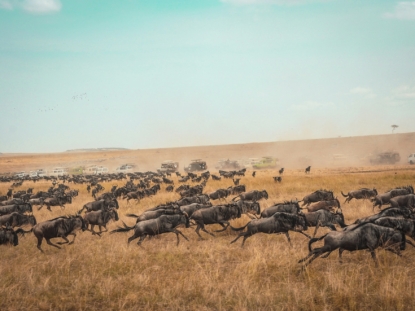
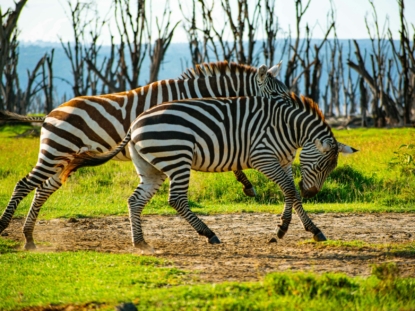
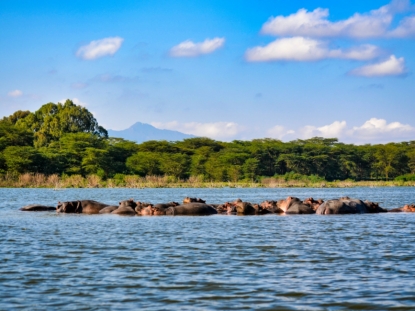
Nature walks in Kenya are guided bush and forest walks on foot, from short strolls among wildlife to multi-day walking safaris with an armed ranger or Maasai guide. African Safari Trails arranges Kenya nature walks and walking safaris, a slower, closer way to read the bush. On foot you notice the tracks, plants and small life a vehicle speeds past.
A nature walk turns safari down to ground level. Out of the vehicle, with a guide reading tracks and a ranger watching the bush, the experience shifts from ticking off big animals to noticing everything: the dung beetle rolling its prize, the bird in the thorn tree, the leopard print pressed in the dust. Kenya offers walks for every level, from a gentle stroll among harmless plains game to a multi-day walking safari deep in the wild north. African Safari Trails builds the right walking into your trip.
Why Take a Walking Safari
A walking safari gives you what a game drive cannot: the smells, sounds and small details of the bush, and a real sense of being part of it rather than watching from a window. The pace slows, the senses sharpen, and a guide can show you the workings of the place, from animal signs to medicinal plants.
It is less about big sightings, since wildlife is shyer on foot, and more about understanding and atmosphere, which many travellers find the most memorable part of a trip. It suits curious, active visitors of most ages. The change of pace is the point. African Safari Trails matches the walking to your interests and fitness.
What a Guided Nature Walk Is Like
A guided nature walk moves slowly and quietly, led by an expert guide and, where dangerous game is present, an armed ranger. The guide stops often to point out tracks, droppings, birdsong, insects and plants, explaining how the bush fits together and reading the signs of what passed by.
Walks usually run in the cool of early morning or late afternoon, last a couple of hours or a half day, and keep to a gentle pace with plenty of pauses. You learn to look closely rather than far. It rewards patience and curiosity. African Safari Trails pairs you with guides who bring the small things to life.
Walking Safaris in the Conservancies
The private conservancies are the home of the Kenyan walking safari. Unlike the national parks, conservancies in the Maasai Mara, Laikipia and around Lewa set their own rules, allowing guided walks where you can track big game on foot with experienced Maasai or Samburu guides and an armed ranger.
On the best of these, at places like Lewa, you can stalk rhino, elephant and lion on foot, an intense, close experience impossible from a vehicle. The conservancies are quieter and more flexible than the parks. They are built for walking. African Safari Trails arranges conservancy walks with skilled guides.
On foot the bush rearranges itself around you. The lion you would have driven past in a vehicle becomes a presence you feel in your chest, a track in the dust, a warning bark from a distant baboon. Your guide crouches to show you where an elephant fed last night, names the bird calling overhead, crushes a leaf for you to smell, and suddenly the plain you crossed a dozen times by car is a place you are reading for the first time.
Tracking Wildlife on Foot
Tracking is the heart of a walking safari. A skilled guide follows the spoor of the bush, the prints, the broken grass, the fresh droppings, piecing together what animal passed, how long ago and where it was heading, and sometimes leading you quietly toward it.
On a conservancy you might track rhino or elephant on foot, while in the north Samburu trackers read the land with uncanny skill, turning a walk into a lesson in detection. The animals stay at a respectful distance, which is part of the discipline. The tracking itself is the thrill. African Safari Trails pairs you with expert trackers.
Bird Watching and the Small Things
Walking is the best way to appreciate the smaller life of the bush. On foot, bird watching comes into its own, with the guide picking out calls and movements that a vehicle would pass, and the same close attention reveals insects, reptiles, butterflies, flowers and the web of small creatures that hold the place together.
This focus on the little things is what walkers often remember most, a dung beetle, a chameleon, a sunbird at a flower. It deepens your understanding of the whole ecosystem. The detail is the reward. African Safari Trails can shape a walk around birds and the small life.
Forest and Hill Hiking
Beyond the plains, Kenya offers fine forest and hill hiking. Guided walks lead through the montane forest of the Aberdares to towering waterfalls, into Kakamega’s rainforest after turacos and monkeys, and along the coastal forest trails of Arabuko-Sokoke, each a world away from the open savanna.
Shorter climbs like the crater rim of Mount Longonot and the trails of Mount Kenya’s lower forest add hill walking with big views, and lead naturally into more serious mountain climbing in Kenya, often with a ranger where wildlife is present. The variety of country is a real draw. The forests reward the patient walker. African Safari Trails arranges forest and hill walks with guides.
Where to Walk in Kenya
Some places are made for walking. Hell’s Gate and Crescent Island on Lake Naivasha let you walk freely among harmless plains game without an escort, while the Laikipia and Mara conservancies and the Lewa country offer guided big-game walks with rangers.
The remote north, around the Mathews Range and Karisia Hills, is Kenya’s classic walking-safari country, and the Aberdares, Mount Kenya, Kakamega and the coastal forests add forest walking. There is a walk to suit every taste and ability. The choice is wide. African Safari Trails picks the right walking country for you.
Conservancy big-game walks
Track rhino, elephant and lion on foot with Maasai or Samburu guides and an armed ranger in the Mara, Laikipia and Lewa conservancies.
Walk among harmless game
Hell’s Gate and Crescent Island on Lake Naivasha, where the lack of big predators lets you stroll freely among zebra and giraffe.
Forest and hill walks
Aberdare waterfalls, Kakamega rainforest, Arabuko-Sokoke coastal forest and the crater rim of Mount Longonot, each with its own world.
Northern walking country
The remote Mathews Range and Karisia Hills, Kenya’s classic walking-safari country, explored on foot with expert Samburu trackers.
Safety on a Walking Safari
Walking among wildlife is done carefully and safely. Where dangerous game is present, an armed ranger always accompanies the group, walking is in single file and quiet, and the guide sets clear rules before you set out, on spacing, stopping and how to react if an animal is met.
In places without big predators, like Hell’s Gate and Crescent Island, you can walk more freely, while the bigger animals are always given a wide, respectful berth. Following the guide’s instructions keeps everyone safe. The rules exist for good reason. African Safari Trails works only with qualified guides and rangers.
Best Time for Walking Safaris
Walking is best in the dry seasons, when the bush is thinner, the ground firm and the heat manageable in the early hours. The green months are verdant and rich in birds but hotter and harder underfoot.
June to October (dry season)
The prime window for walking, with thinner bush, firm ground, easier tracking and comfortable cool mornings, alongside the peak safari season.
January to March (short dry season)
Warm and mostly dry, fine for walking and tracking, with good general wildlife and pleasant early-morning conditions.
April to May, November (rains)
Green and rich in birds and plant life, rewarding for nature detail, though wet ground, tall grass and heat make longer walks tougher.
Walk early, wear neutral colours, and follow the guide’s lead. Nature walks are best in the cool of early morning, both for comfort and because wildlife is most active then, so set out at first light and let the heat of the day be for resting. Wear muted greens and browns rather than bright colours or white, sturdy closed shoes and a hat, and bring binoculars and water. The golden rule on a walking safari is to listen to your guide and ranger and follow their instructions exactly, walking quietly in single file and never getting ahead of them, since the experience depends on reading wildlife at a respectful distance. African Safari Trails sorts the guide, ranger and route.
Planning a Walking Safari
A walking element fits almost any Kenya safari, from an hour’s guided stroll added to a lodge stay to a dedicated multi-day walking safari in the north, and it is among the most rewarding things to do in Kenya. Walking here is also part of the wider tradition of nature walks across East Africa. The conservancies make the easiest base for big-game walks, while a mobile walking safari is a trip in its own right.
Most walks are added to a wider itinerary alongside game drives, so you get both the reach of a vehicle and the intimacy of foot. A reasonable level of fitness is all most walks need. The mix works well. African Safari Trails builds the walking into your trip.
Nature Walks in Kenya FAQ
Are nature walks in Kenya safe?
Yes, when done properly. Where dangerous game is present, an armed ranger always accompanies the walk, the group moves quietly in single file, and the guide briefs you on the rules first. In places like Hell’s Gate and Crescent Island there are no big predators, so walking is freer. African Safari Trails works only with qualified guides and rangers.
Will you see big animals on a walking safari?
You may, but wildlife is shyer on foot than from a vehicle, so sightings are often at a distance, and the focus shifts to tracking, birds and the smaller life of the bush. On conservancies you can sometimes track rhino or elephant on foot. The reward is understanding and atmosphere. African Safari Trails sets honest expectations.
Do you need to be fit for a walking safari?
A reasonable level of fitness helps, but many walks are gentle and short, and longer walking safaris go at a steady pace in the cool hours with rest in the heat of the day. Forest and hill hikes ask a little more. There is a walk to suit most abilities. African Safari Trails matches the walking to your fitness.
Where can you walk freely without a ranger?
Hell’s Gate and Crescent Island on Lake Naivasha are the main places, since they have no big predators, so you can walk or cycle among zebra, giraffe and other harmless game on your own. Elsewhere, walking among dangerous game needs an armed ranger. African Safari Trails arranges the right option for you.
Can you add a walk to a normal safari?
Yes, easily. A guided nature walk can be added to most lodge and camp stays, especially in the conservancies, giving you both game drives and time on foot, or you can build a dedicated multi-day walking safari. The two complement each other well. African Safari Trails builds walking into a wider trip.
When is the best time for nature walks?
The dry seasons from June to October and January to March are best, with thinner bush, firm ground and comfortable cool mornings, while the green months are rich in birds and plant life but hotter and wetter underfoot. Early morning is the best time of day. African Safari Trails times the walking for the best conditions.
Plan Your Kenya Nature Walks with African Safari Trails
Choosing where to walk, pairing you with a guide who can read the bush and bring the small things to life, and arranging the right rangers and conservancies all go more smoothly with someone who knows Kenya on foot, so a walk becomes a real reading of the wild rather than an aimless stroll. African Safari Trails has spent years building walking into Kenya safaris, from gentle lodge strolls to multi-day mobile walking safaris in the north, with guides and trackers who know the land by instinct rather than a brochure. They will tell you straight where to walk, how to fit it around game drives and what fitness it asks, and handle the guides, rangers and logistics quietly in the background.
Want a proper quote, or just a steer on adding walking to your safari? Reach out to African Safari Trails and a real person gets back to you.