Dolphin watching in Kenya means boat trips to see resident bottlenose dolphins, most famously in the Kisite-Mpunguti marine park near Wasini Island on the south coast. African Safari Trails arranges Kenya dolphin watching trips, often combined with snorkelling and a Wasini Island lunch. Pods of dolphins live here year-round, so sightings are good.
Off Kenya’s south coast, pods of dolphins live among the coral reefs and warm shallows, and watching them is one of the coast’s most rewarding day trips. The classic outing sails by dhow from Shimoni or Diani out to the Kisite-Mpunguti marine park, where bottlenose dolphins are often seen riding the bow wave, with snorkelling over the reef and a Swahili lunch on Wasini Island to round out the day. African Safari Trails arranges these trips with responsible operators.
Why Go Dolphin Watching in Kenya
Dolphin watching is a gentle, family-friendly highlight of a coastal stay. Unlike the seasonal whales, dolphins are resident year-round, so the odds of seeing them are good in any month, and the trip usually rolls together a boat ride, snorkelling and an island lunch into one fine day out.
It suits all ages and energy levels, needs no special skill, and pairs naturally with a beach holiday or a safari extension. The marine park setting means coral and fish as well as dolphins. The day is as much about the whole outing as the dolphins. African Safari Trails builds dolphin trips into a coastal stay.
Where to Watch Dolphins
The Kisite-Mpunguti marine park, in the far south near the Tanzanian border, is Kenya’s prime dolphin watching ground, a protected expanse of reefs and islands reached by dhow from Shimoni or Diani, where resident pods are regularly seen. It is the most reliable spot on the coast.
The Watamu and Malindi marine parks on the central coast also hold dolphins, and the first dolphin tours in Kenya began in these areas in the 1990s. Kisite remains the classic, with Wasini Island as its gateway. The south coast is the heartland. African Safari Trails books trips to the best dolphin waters.
The Dolphins You Might See
The dolphins most often seen are Indo-Pacific bottlenose dolphins, which live in sociable pods of roughly five to twenty-five animals and frequently approach boats to ride the bow wave. Spinner dolphins are also seen, and the rarer Indian Ocean humpback dolphin on occasion.
The Kisite reefs are said to host over two hundred dolphins among their wider marine life, so a trip stands a good chance of meeting a pod. As with all wild animals, sightings are never guaranteed. The dolphins are wild and free to roam. African Safari Trails sets honest expectations for a trip.
There is a particular joy to the moment the dolphins find your boat. One minute the sea is empty, the next a dorsal fin cuts the surface, then another, and suddenly a whole pod is arcing alongside the bow, rolling and blowing and clearly enjoying the ride as much as you are. The dhow’s engine cuts, the water goes still and blue, and for a few minutes there is nothing in the world but you and a family of wild dolphins in the warm Indian Ocean.
What a Dolphin Watching Trip Is Like
A typical dolphin watching trip is a full day. You are collected early from your beach hotel, taken to Shimoni or the boat, and sail out by dhow to the marine park, watching for dolphins along the way, with the captain easing the boat near any pod that is found.
The day usually includes snorkelling over the coral, time to swim, and a Swahili seafood lunch on Wasini Island, returning in the afternoon. It is a relaxed, scenic outing as much as a wildlife trip. The whole day is the experience. African Safari Trails arranges the transfers, boat and lunch.
Snorkelling and the Marine Park
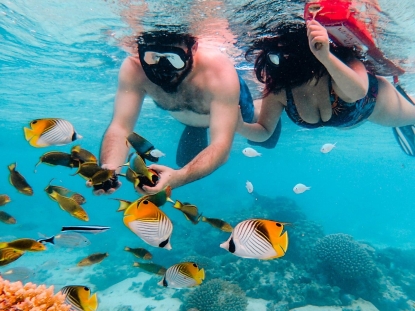
Dolphin trips double as snorkelling trips, since Kisite-Mpunguti is one of the coast’s finest reefs. The clear, shallow water over the coral gardens teems with reef fish, and the same outing that finds the dolphins lets you snorkel among parrotfish, angelfish, turtles and rays, and the same reefs are a draw for scuba diving too.
Gear is provided, and the calm, protected water suits beginners and children as well as confident swimmers. The reef is a highlight in its own right. The two activities fit together perfectly. African Safari Trails ensures snorkelling is built into the day.
Responsible Dolphin Watching
How a dolphin trip is run matters a great deal. Research in Kenya has shown that too many boats crowding the dolphins can drive them away and disturb their behaviour, so the marine park sets rules on how boats should approach, and the best operators keep their distance and limit the pressure on the pods.
Choosing a responsible operator, one that does not chase or surround the dolphins, protects the very animals you have come to see. It keeps the experience sustainable for the future. The dolphins’ welfare comes first. African Safari Trails uses operators who watch responsibly.
Combining Dolphins with a Beach or Safari Trip
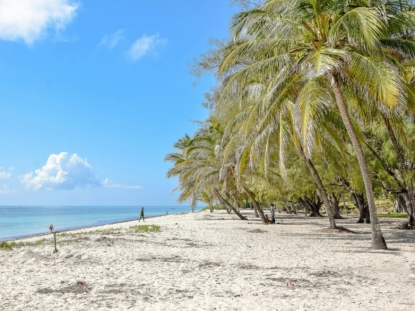
A dolphin watching day slots easily into a coastal stay or a wider Kenya trip. From a base at Diani it is a straightforward day trip south to Kisite, and the outing pairs naturally with the beaches, reefs and Swahili culture of the coast, one of many things to do in Kenya.
After a safari inland, a few days on the south coast with a dolphin trip makes a relaxed finish, the classic bush-and-beach shape. It needs only a day within a longer stay. The flexibility is the appeal. African Safari Trails weaves a dolphin trip into the wider plan.
Kisite-Mpunguti
The south coast’s prime dolphin watching ground, a protected park of reefs and islands reached by dhow from Shimoni or Diani.
Bottlenose pods
Resident Indo-Pacific bottlenose dolphins in pods of five to twenty-five, often riding the bow wave, plus spinner dolphins.
A full day out
A dhow trip, snorkelling over the coral and a Swahili seafood lunch on Wasini Island, a relaxed day as much as a wildlife outing.
Year-round
The dolphins are resident rather than seasonal, so sightings are good in any month, unlike the mid-year-only whales.
Best Time for Dolphin Watching
Dolphins are seen year-round, so dolphin watching is good in any season, though the calmer, clearer seas of the dry months make for the most pleasant boat trips and the best snorkelling.
October to March (calm dry season)
The best conditions, with calm seas, clear water and fine snorkelling alongside the dolphins, the prime window for a comfortable trip.
July to September (cool dry season)
Good dolphin watching with the bonus of the humpback whale season offshore, though some days bring more wind and swell.
April to June (long rains)
Dolphins are still resident, but rougher, less settled seas and reduced visibility can make trips and snorkelling less comfortable.
Go on a calm day, choose a responsible operator, and treat it as a full day out. Dolphin watching is best in the calmer dry-season months when the sea is settled and the snorkelling is clear, so build a day trip into a longer coastal stay rather than gambling it on a single rough morning. Pick an operator that keeps a respectful distance and does not chase the pods, since crowding drives the dolphins away and harms them. Bring sun protection, a towel and a light layer for the boat, and come ready to snorkel, as the reef is half the fun. Expect a full day from an early start to an afternoon return, with a Wasini Island lunch in the middle. African Safari Trails books the trip and the transfers.
Getting There and Planning
The main dolphin watching trips run from the south coast, usually from Diani or directly from Shimoni, both within easy reach of Diani’s beaches and airport. Boats sail from Shimoni out to the Kisite-Mpunguti park, with hotel pickups arranged for an early start.
The trip is booked as a day excursion within a coastal stay, with marine park fees, the boat, snorkelling gear and lunch usually bundled together. A little planning sets up a smooth day. The south coast is the easiest base. African Safari Trails arranges the whole outing.
Dolphin Watching in Kenya FAQ
Where is the best place for dolphin watching in Kenya?
The Kisite-Mpunguti marine park on the far south coast, reached by dhow from Shimoni or Diani, is the prime spot, with resident bottlenose dolphins among its reefs and islands. The Watamu and Malindi parks on the central coast also hold dolphins. African Safari Trails books trips to the best dolphin waters.
Are you likely to see dolphins?
The odds are good, since the dolphins are resident year-round rather than seasonal, and the Kisite reefs host sizeable pods, though as with all wild animals sightings are never guaranteed. A calm day and a knowing captain help. African Safari Trails chooses operators who know where the pods feed.
How much does a dolphin watching trip cost?
A dolphin trip is usually a full-day excursion priced per person, typically bundling the boat, marine park fees, snorkelling gear and a Wasini Island lunch, so the cost depends on the operator and what is included. African Safari Trails gives a clear, all-in price.
Can you swim or snorkel with the dolphins?
The trips include snorkelling over the coral reef, where you may see dolphins in the water, though responsible operators do not chase or force close contact, letting the dolphins approach on their own terms. The reef snorkelling is excellent regardless. African Safari Trails uses operators who watch responsibly.
Is dolphin watching suitable for children?
Yes, it is a family-friendly day out, with a gentle dhow ride, calm protected water for snorkelling and an island lunch that suits all ages. Younger children love spotting the pods from the boat. African Safari Trails builds family-friendly dolphin trips into a stay.
When is the best time to go?
Dolphins are resident year-round, so any month works, but the calmer, clearer seas from October to March make for the most comfortable trips and the best snorkelling, while the long rains bring rougher water. African Safari Trails times the trip for a calm day.
Plan Your Kenya Dolphin Watching Trip with African Safari Trails
Picking a calm day, choosing an operator that watches the pods responsibly, and slotting the trip into a beach or safari itinerary all go more smoothly with someone who knows the south coast, so your day finds the dolphins and the reef rather than rough water and crowded boats. African Safari Trails has spent years building coastal day trips and bush-and-beach itineraries, with first-hand knowledge of the Kisite waters and the operators who run them well. They will tell you straight where and when to go, what your chances are and how to fit the trip around the rest of your stay, and handle the transfers, boat, fees and lunch quietly in the background.
Want a proper quote, or just a steer on planning a dolphin watching trip? Reach out to African Safari Trails and a real person gets back to you.