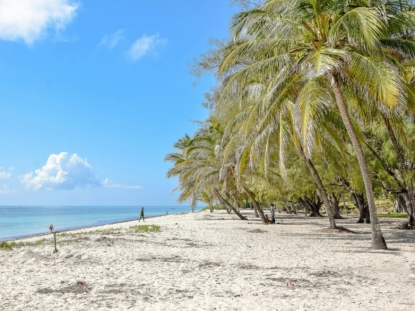
Snorkelling trips in Kenya explore the coral gardens of the coast’s marine parks, where warm, clear water teems with reef fish, turtles and rays. African Safari Trails arranges Kenya snorkelling trips at Watamu, Kisite and the other marine parks, often by glass-bottom boat or dhow. Calm, shallow reefs make it easy for families and first-timers.
Kenya’s coast hides a second wilderness just below the surface. Behind the reef, the warm, shallow water of the marine parks shelters coral gardens alive with bright fish, turtles, rays and the odd reef shark, all visible with no more than a mask and snorkel. From Watamu in the centre to Kisite in the south, a snorkelling trip is the easiest way into this underwater world, needing no training and suiting all ages, one of the gentlest things to do in Kenya. African Safari Trails arranges snorkelling trips along the whole coast.
Why Take a Snorkelling Trip in Kenya
Snorkelling is the simplest way to meet Kenya’s marine life. Unlike diving, it needs no certification or heavy gear, just a mask, snorkel and fins, so anyone who can swim can float over a coral reef and watch the fish go about their business within minutes.
The marine parks protect some of the healthiest reefs on the coast, in calm, clear, bath-warm water that suits children and nervous swimmers as much as confident ones. It pairs perfectly with a beach holiday in Kenya or a safari finish. The reefs are close to shore and easy to reach. African Safari Trails builds snorkelling into a coastal stay.
Kenya’s Marine Parks
Kenya protects a string of marine parks along its coast, Mombasa, Watamu, Malindi, Kisite-Mpunguti and Kiunga, which shelter the reefs and their wildlife from fishing and damage. These protected waters hold the richest coral and the best snorkelling, with the fish numerous and used to visitors.
The reefs sit just offshore, reached by a short boat ride, and the parks charge a small entry fee that supports their upkeep. Snorkelling within them means healthy coral and abundant fish. The protection is what keeps them so good. African Safari Trails books trips to the best-kept reefs.
The Best Snorkelling Spots
Each stretch of coast has its highlights. Watamu marine park, on the central coast, has coral gardens and a famous turtle population in calm, clear water close to shore, while Kisite-Mpunguti in the south offers some of the coast’s finest reefs, reached by dhow from Shimoni or Diani and often combined with dolphin watching in Kenya.
Malindi and Mombasa marine parks add more reef and glass-bottom-boat trips, and the whole coast lies along one of the longest barrier reefs in the world, among the best for snorkeling in East Africa. There is excellent snorkelling up and down the shore. The choice depends on your base. African Safari Trails matches the spot to your stay.
Turtle Watching and Reef Life
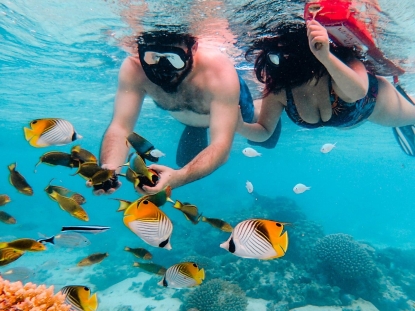
The reefs are full of life. Snorkellers regularly meet green and hawksbill turtles, especially around Watamu, gliding over the coral as if you were not there, along with clouds of reef fish, parrotfish, angelfish, butterflyfish and clownfish among the anemones.
Rays, moray eels, starfish and the occasional harmless reef shark round out the cast, and the coral itself comes in a wealth of shapes and colours. No two reefs hold quite the same life. There is always something new to spot. African Safari Trails picks reefs rich in turtles and fish.
You tip forward off the boat, the cool first rush gives way to bath-warm water, and the reef opens up beneath you in a slow drift of colour. A green turtle grazes on the coral below, unhurried. Shoals of small fish part around your hands and close again behind you, a parrotfish crunches at the reef, and the sunlight falls in moving bars across the sand. There is no sound but your own breathing through the snorkel, and an hour passes like ten minutes.
Glass-Bottom Boat and Dhow Trips
Not everyone wants to get in the water, and the coast caters for that too. Glass-bottom boat trips let you watch the reef and its fish from dry comfort, ideal for young children, older travellers or anyone who would rather stay aboard, often as part of the same outing as the snorkelling.
Many trips sail by traditional dhow, the wooden sailing boat of the coast, combining the snorkelling with a scenic cruise and often a seafood lunch on an island. The boat is half the pleasure. The dhow trips are a fine day out in themselves. African Safari Trails arranges glass-bottom and dhow trips.
Snorkelling Trips for Families and Beginners
Snorkelling is one of the most family-friendly things to do on the Kenya coast. The calm, shallow, protected water of the marine parks suits children and first-timers, gear is provided and sized to fit, and a guide stays close to help nervous swimmers find their confidence.
For complete beginners, the lagoons inside the reef are gentle and safe, and a glass-bottom boat gives non-swimmers a way to share the experience. It is an easy, low-pressure activity for the whole family. Everyone can take part at their own level. African Safari Trails builds family snorkelling into a stay.
Combining Snorkelling with a Safari
Snorkelling slots naturally into the classic bush-and-beach trip. After the game drives of a Kenya safari, a few days on the coast with snorkelling over the reef makes a relaxing finish, linking the wildlife of the savanna with the wildlife of the sea.
The coast is a short flight from the safari areas, and Tsavo East National Park lies only a few hours from the central coast by road, so the combination is easy to arrange. The two halves balance each other well. It rounds out a Kenya trip beautifully. African Safari Trails ties the snorkelling into a wider safari.
Watamu marine park
Calm, clear coral gardens close to shore with a famous turtle population, some of the coast’s easiest and richest snorkelling.
Kisite-Mpunguti
The south coast’s finest reefs, reached by dhow from Shimoni or Diani, often combined with dolphin watching and an island lunch.
Reef life
Green and hawksbill turtles, parrotfish, angelfish, clownfish, rays and moray eels among coral of every shape and colour.
For everyone
Calm shallow lagoons for beginners and children, gear provided, with glass-bottom boats for non-swimmers to share the day.
Best Time for Snorkelling Trips
Snorkelling is good year-round, but the calmer, clearer seas of the dry months give the best visibility. The long rains stir up the water and bring rougher conditions.
October to March (calm dry season)
The best conditions, with calm seas, clear water and fine visibility over the coral, the prime window for comfortable snorkelling.
July to September (cool dry season)
Good snorkelling alongside the whale season offshore, though some days bring more wind and swell and a little seaweed on the beaches.
April to June (long rains)
Warm but less settled, with rougher seas and reduced visibility as rivers carry sediment to the coast, the least reliable time.
Go on a calm day, mind the tides, and protect the reef as you swim. Snorkelling is best in the calmer dry-season months when the water is clearest, so build a trip into a longer coastal stay rather than gambling it on a single rough morning. The tide matters on some reefs, with high tide often best for swimming over the coral, so let your operator pick the timing. Use reef-safe sunscreen or a rash vest rather than heavy lotions that harm the coral, and never stand on, touch or take the coral, which is alive and slow to recover. Gear is provided, but bring your own mask if you have one that fits well. African Safari Trails sorts the boat, gear and timing.
Responsible Snorkelling
The reefs are fragile, and how you snorkel matters. Coral is a living animal that takes years to grow and is easily killed by a careless touch or fin-kick, so good practice is to float, look and never stand on or handle it, keeping a respectful distance from turtles and other wildlife.
Choosing operators who brief their guests, anchor carefully and respect the marine park rules protects the very reefs you have come to see. Small habits keep the coral healthy for the future. The reef rewards a gentle visitor. African Safari Trails uses responsible, park-compliant operators.
Getting There and Planning
Snorkelling trips run from the coastal bases, with Watamu reached from Malindi airport and the southern reefs from Diani, all a short flight from Nairobi or the safari areas. The boat operators collect you from your hotel and reach the reefs in a short ride offshore.
A trip is booked within a beach stay rather than as a stand-alone visit, with the boat, gear and marine park fees usually bundled together. A little planning around the tides and season makes it smooth. The reefs are easy to reach. African Safari Trails arranges the flights, beach stay and trips.
Snorkelling Trips in Kenya FAQ
Where is the best snorkelling in Kenya?
Watamu marine park on the central coast has calm, clear coral gardens and turtles close to shore, while Kisite-Mpunguti in the south offers the coast’s finest reefs by dhow from Shimoni or Diani. Malindi and Mombasa parks add more. African Safari Trails matches the spot to your stay.
Do you need to be able to swim or dive?
You need no diving training, just basic swimming confidence, since snorkelling means floating at the surface over the reef. The calm, shallow marine-park lagoons suit beginners and children, a guide stays close, and non-swimmers can use a glass-bottom boat. African Safari Trails arranges trips for every level.
How much does a snorkelling trip cost?
A snorkelling trip is usually priced per person and often bundled with the boat, gear and marine park fees, with full-day dhow outings to Kisite costing more than a short reef trip. It is booked within a beach stay. African Safari Trails gives a clear, all-in price.
Will you see turtles?
Often, yes, especially around Watamu, which is a noted turtle area, though as with all wild animals sightings are never guaranteed. Reef fish, rays and coral are reliable on every trip. African Safari Trails picks reefs rich in turtles and marine life.
Is snorkelling suitable for children?
Very much so. The calm, shallow, protected lagoons of the marine parks are ideal for children, gear is sized to fit, guides help nervous swimmers, and a glass-bottom boat lets the youngest share the day. It is a relaxed family activity. African Safari Trails builds family snorkelling into a stay.
When is the best time to go snorkelling?
The calm dry months from October to March give the clearest water and best visibility, while the long rains from April to June bring rougher, murkier seas. Snorkelling is possible year-round, and the tide affects some reefs. African Safari Trails times the trip for a calm, clear day.
Plan Your Kenya Snorkelling Trip with African Safari Trails
Choosing the right reef, timing the trip to the tides and the calm season, and pairing it with a beach stay or a safari all go more smoothly with someone who knows the Kenya coast, so you snorkel clear water over healthy coral rather than a churned-up reef on a rough day. African Safari Trails has spent years building coastal day trips and bush-and-beach itineraries, with first-hand knowledge of the marine parks and the operators who run them responsibly. They will tell you straight where and when to go, what suits your family’s swimming confidence and how to fit it around the parks, and handle the transfers, boat, gear and fees quietly in the background.
Want a proper quote, or just a steer on planning a snorkelling trip? Reach out to African Safari Trails and a real person gets back to you.