Tsavo West National Park is Kenya’s second-largest park, a scenic volcanic wilderness of lava flows, hills and the crystal-clear Mzima Springs, with black rhino, elephant and big game. African Safari Trails arranges Tsavo West safaris and combined Tsavo circuits, often with the coast or Amboseli. Greener and more dramatic than its eastern twin, it rewards those who slow down.
Where Tsavo East is flat and dry, Tsavo West is all drama: volcanic hills, black lava flows, palm-shaded rivers and the surreal oasis of Mzima Springs, where millions of gallons of clear water pour from beneath the rock. It is Kenya’s second-largest park, scenic and varied, with the Big Five including a protected black rhino population, though the thicker bush makes you work harder for sightings. African Safari Trails builds it into a varied safari, often alongside Tsavo East or Amboseli.
Why Visit Tsavo West National Park
Tsavo West is the scenic half of the Tsavo story, chosen for its landscapes as much as its wildlife. Volcanic cones, lava fields, green hills and spring-fed oases give a variety of scenery few Kenyan parks match, with Mount Kilimanjaro often on the horizon to the south.
The wildlife is good but harder-won than in the open east, since the dense bush hides animals, so it rewards patience and a love of scenery over a fast checklist. It pairs beautifully with the flatter, game-rich Tsavo East. The contrast is the draw. African Safari Trails matches it to travellers who want scenery and variety.
Mzima Springs and the Volcanic Landscapes
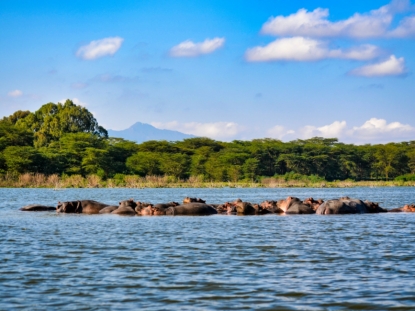
Mzima Springs is the jewel of Tsavo West, where around fifty million gallons of crystal-clear water surge each day from beneath the lava, fed by rainfall that travels underground from the Chyulu Hills. The pools hold hippos, crocodiles and fish, with an underwater viewing chamber to watch them below the surface.
The wider park is a volcanic stage of cones, craters and the black Shetani Lava Flow, named for the Swahili word for devil, formed only a few hundred years ago. Chaimu Crater and Poacher’s Lookout offer short climbs and long views. The scenery is the signature. African Safari Trails builds in Mzima and the lava country.
Mzima Springs feels like a magic trick. You stand in parched lava country, baked and dusty, and suddenly there is an oasis of clear blue water with hippos submerged in it and fish hanging in the current, all fed by rain that fell on hills fifty kilometres away and travelled here underground. You can climb down into a viewing chamber and watch a hippo walk the bottom of the pool, weightless and silent.
Black Rhino at the Ngulia Reserve
Tsavo West is one of Kenya’s key strongholds for the black rhino, protected within the fenced Ngulia rhino reserve at the foot of the Ngulia Hills. Established in the 1980s, this guarded, electric-fenced area began with a handful of rhinos and now protects well over a hundred, offering one of the better chances to see them.
Rhino tracking drives into the reserve give visitors a real opportunity to spot these scarce, endangered animals, a conservation success story given that poaching had all but wiped them out by the late 1980s. Sightings are good but never promised. African Safari Trails arranges rhino tracking at Ngulia.
Game Drives and Wildlife
A game drive in Tsavo West works the open grasslands, acacia woodland and rocky ridges where wildlife shows itself, with the Tsavo River and Mzima Springs the reliable water draws. The Big Five are all present, including the protected rhino, elephant, buffalo, lion and leopard in the riverine trees.
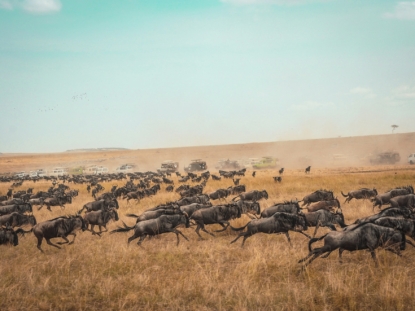
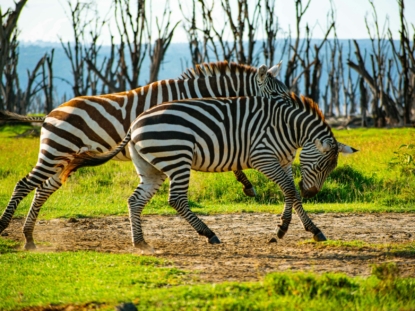
Tsavo’s red elephants, cheetah, giraffe, lesser kudu, gerenuk, fringe-eared oryx and the occasional African wild dog all roam here, though the thicker cover means sightings take more patience than in the east. Morning and late-afternoon drives are best. The reward is wildlife in fine scenery. African Safari Trails pairs you with guides who read the bush.
Birds of Tsavo West
Tsavo West is a serious birding park, with well over 500 species recorded and some counts above 600, helped by its varied habitats and position on a major migration route. Lake Jipe, shared with Tanzania, and the Tsavo River draw waterbirds, while the woodland and hills hold a rich spread of species.
The park is famous among birders for Ngulia, a well-known site for ringing migrant songbirds that funnel through in the northern winter. The green months from November bring the migrants and the best birding. The variety is a real strength. African Safari Trails can add a birding focus to a Tsavo West safari.
Mzima Springs
A clear spring-fed oasis with hippos, crocodiles and fish, and an underwater viewing chamber, set in parched lava country.
Volcanic landscapes
The black Shetani Lava Flow, Chaimu Crater and Poacher’s Lookout, with Mount Kilimanjaro often on the southern horizon.
Ngulia black rhino
A fenced, guarded rhino reserve at the Ngulia Hills protecting over a hundred black rhino, with rhino tracking drives.
Big game and 500+ birds
The Big Five with red elephants, lesser kudu, gerenuk and oryx, plus a rich birdlife and the Ngulia ringing site.
Tsavo West and the Wider Circuit
Tsavo West sits at a crossroads of Kenya’s southern safari circuit, linking naturally to several other destinations. It borders Amboseli to the north-west, reached through the Chyulu Gate, so the two pair easily for Kilimanjaro views and big elephants, and Tsavo East lies just across the highway.
Like its eastern twin, it also works as the bush half of a bush-and-beach trip down to the Mombasa coast. Combining Tsavo West with Amboseli or Tsavo East makes for a varied southern circuit. The links are easy. African Safari Trails builds it into a wider Kenya itinerary.
Best Time for a Tsavo West Safari
The dry season is the easiest time for a Tsavo West safari, when wildlife concentrates at the springs and river and the bush thins a little. The green season is verdant and excellent for birds but harder for spotting game in the cover.
June to October (long dry season)
The best for game viewing, with wildlife drawn to Mzima Springs and the Tsavo River, clearer bush and good Kilimanjaro views.
January to February (short dry season)
Hot and dry between the rains, good for wildlife at the water and with some greenery still in the scenery.
March to May, November to December (rains)
Green and dramatic with the best birding and migrants, fewer visitors and lower rates, though dense growth hides game and some roads turn muddy.
Come for the scenery, work for the wildlife, and pair it with Amboseli or Tsavo East. Tsavo West is more about dramatic volcanic landscapes than fast sightings, so set your expectations for scenery and harder-won game than the open east, and give it at least two days to take in Mzima Springs, the Shetani Lava Flow and a rhino-tracking drive at Ngulia. The dry season from June to October concentrates wildlife and clears the bush, while the green months are superb for birds. It links easily to Amboseli through the Chyulu Gate and to Tsavo East across the highway. African Safari Trails sets the circuit and the pace.
Getting There and Practicalities
Tsavo West lies west of the Nairobi-Mombasa highway in Taita-Taveta County, around 240 kilometres from Nairobi, with gates at Mtito Andei, Tsavo, Chyulu (from Amboseli), Maktau, Ziwani and Lake Jipe. Airstrips at Kilaguni, Finch Hatton’s and others take light aircraft.
Entry is run by KWS on a cashless, prepaid basis through the eCitizen system, with fees by visitor category valid for 24 hours, and the usual plastic-free and stay-in-vehicle rules. A guided trip removes the admin and the navigation. Access is good from Nairobi, Mombasa or Amboseli. African Safari Trails arranges the tickets, transport and guide.
Tsavo West National Park FAQ
How much does Tsavo West National Park cost to enter?
Under the current KWS fees, non-resident adults pay around 80 US dollars per day, African citizens about 40 dollars, East African citizens roughly 1,000 Kenyan shillings and Kenya residents about 1,350 shillings, with reduced rates for children, charged per 24-hour stay. Vehicle and camping fees are extra. African Safari Trails includes park fees in a clear, all-in quote.
What is Tsavo West famous for?
It is best known for Mzima Springs, a clear spring-fed oasis with hippos and an underwater viewing chamber, the black Shetani Lava Flow, its volcanic hills and Kilimanjaro views, and the Ngulia rhino reserve protecting black rhino. The scenery is its signature. African Safari Trails builds these highlights into a safari.
Is Tsavo West good for wildlife?
Yes, with the Big Five present, but the dense bush and hilly terrain make sightings harder-won than in the open Tsavo East, so it rewards patience. The Ngulia reserve gives a good chance of black rhino, and the scenery more than makes up for the effort. African Safari Trails pairs you with guides who know the ground.
How is Tsavo West different from Tsavo East?
Tsavo West is hilly, green and scenic, with Mzima Springs, lava flows and volcanic hills, while Tsavo East is flat, dry and open with big elephant herds and easier wildlife spotting. Many travellers combine both for a complete Tsavo experience. African Safari Trails can build the two into one circuit.
Can you see rhino in Tsavo West?
Yes, within the fenced, guarded Ngulia rhino reserve at the foot of the Ngulia Hills, which protects over a hundred black rhino and offers rhino-tracking drives, one of the better chances to see this scarce animal in Kenya. Sightings are good but never promised. African Safari Trails arranges rhino tracking at Ngulia.
When is the best time to visit Tsavo West?
The dry seasons from June to October and January to February are best, with wildlife drawn to Mzima Springs and the Tsavo River and thinner bush, while the green months bring superb birding and migrants but harder game spotting. African Safari Trails times your safari for the best conditions.
Plan Your Tsavo West Safari with African Safari Trails
Taking in Mzima Springs and the lava country, timing a rhino-tracking drive at Ngulia, and linking the park to Amboseli or Tsavo East all go more smoothly with someone who knows Tsavo West, so you come away with the scenery and the rhino rather than a frustrating search through the bush. African Safari Trails has spent years building Tsavo and southern-circuit safaris, with guides who know the springs, the lava fields and the rhino ground by instinct rather than a brochure. They will tell you straight what the park does well and how to combine it, and handle the tickets, transport and transfers quietly in the background.
Want a proper quote, or just a steer on building a Tsavo or southern-circuit trip? Reach out to African Safari Trails and a real person gets back to you.