Chimpanzee tracking in Rwanda means a guided forest trek, mainly in Nyungwe National Park, to spend an hour with a habituated community of wild chimpanzees. African Safari Trails arranges chimp treks in Nyungwe and Gishwati-Mukura, securing permits and lodges. Rwanda holds over 500 chimpanzees in its montane rainforests, with early starts and steep trails part of the adventure.
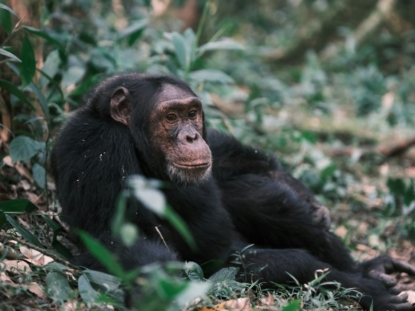
Chimpanzees are our closest wild relatives, and tracking them in Rwanda’s forests is a different beast from the calm of chimpanzee tracking elsewhere in East Africa and the calm of gorilla trekking: faster, louder and more unpredictable. The chimps move quickly and high through the canopy, so finding them is a genuine hunt by ear and eye through cool, dripping rainforest. Nyungwe in the southwest is the main place, with a smaller community in the young Gishwati-Mukura park. Both reward an early start and a bit of effort. African Safari Trails secures the permit and arranges the trek.
What Chimpanzee Tracking in Rwanda Is Like
Chimpanzee tracking begins before dawn, because the chimps are mobile and an early start improves your chances of catching them near their night nests. After a briefing you head into the forest with a guide, following calls and trackers through steep, sometimes slippery terrain until you find the community feeding or moving through the trees.
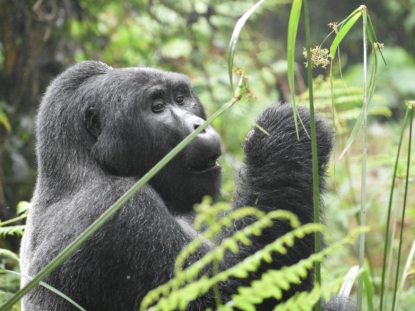
Where gorillas sit calmly, chimps are loud and active, hooting, drumming on trunks and swinging overhead, so the hour with them is busier and less predictable. They spend much time in the canopy but come down to rest. The effort is part of the appeal. African Safari Trails arranges the early start and the guide.
Chimp tracking is not a stroll, it is a hunt. Not with guns but with your ears, following whoops and the drumming of fists on buttress roots through the dripping forest until the canopy above you suddenly fills with our closest wild relatives.
Chimpanzee Tracking in Nyungwe National Park
Most chimpanzee tracking happens in Nyungwe National Park, the great montane rainforest of the southwest, home to more than 500 chimps. Two communities are habituated for visitors, one reached from the Uwinka area in the main forest and another in the separate Cyamudongo fragment, with briefings starting very early at the reception centres.
Nyungwe pairs the chimps with its famous canopy walk, colobus tracking and forest hikes, making it the natural base for a primate focused trip. The forest is ancient, cool and rich, with other monkeys and birds along the way. African Safari Trails books the chimp permit and builds the rest of Nyungwe around it.
Chimps in Gishwati-Mukura and Cyamudongo
Beyond Nyungwe’s main forest, two smaller settings offer quieter chimp tracking. The Cyamudongo fragment, part of Nyungwe, holds a habituated group in a pocket of forest where sightings can be reliable once you reach them. Gishwati-Mukura, Rwanda’s newest park to the northwest, has a small community of around twenty chimps in regenerating forest.
Gishwati’s chimps are wilder and the park far quieter, so tracking there feels intimate and uncrowded, though finding them takes more patience. It pairs well with Lake Kivu and the gorillas to the north. African Safari Trails arranges chimp tracking in whichever setting suits your route.
How the Tracking Day Unfolds
The day starts in the dark, with most trackers leaving their lodge before dawn for a briefing around half past five, since the chimps travel early. Visitors are split into small groups and assigned a community, then driven to a trailhead to begin the trek on foot.
Trackers who have located the chimps guide you in, and once you reach them the clock starts on your hour, spent watching them feed, groom, mate and call. The trek can run two to six hours in total over uneven ground. African Safari Trails arranges the early transport and a guide, with a porter if you want one.
Nyungwe forest
The main setting, with over 500 chimps and two habituated communities at Uwinka and Cyamudongo, plus the canopy walk and colobus nearby.
Cyamudongo
A forest fragment within Nyungwe holding a habituated group, where sightings can be reliable once you reach them.
Gishwati-Mukura
A small, wild community of around twenty in Rwanda’s newest park, quiet and intimate, paired with Lake Kivu.
The early start
Briefings around half past five and treks of two to six hours, because the chimps move fast through the forest.
How Hard Is the Trek
The chimp trek is more demanding than the gorillas, asking for a reasonable level of fitness, since the forest is steep and slippery and the chimps move fast, so you may walk hard for hours before catching them. Sightings are never guaranteed, which is part of tracking wild, mobile animals.
Good boots, an early night and patience all help, and a porter eases the climb on the steeper trails. The reward when the canopy fills with chimps is worth the sweat. Those wanting something gentler can choose colobus tracking instead. African Safari Trails sets honest expectations and arranges a porter if needed.
Other Primates on the Trek
A chimp trek rarely shows only chimps, since Nyungwe alone holds thirteen primate species, around twelve percent of mainland Africa’s total. Along the trail you may meet black and white colobus, L’Hoest’s and Hamlyn’s monkeys, grey cheeked mangabeys, red tailed and silver monkeys, blue monkeys and olive baboons.
The colobus are a highlight in their own right, gathering in troops of hundreds, and an easier, shorter track than the chimps if you want a second primate outing. Birds and forest sights fill the gaps between sightings. African Safari Trails can add colobus tracking as a gentler companion to the chimp trek.
Chimpanzee Tracking Rules
As with gorillas, the rules protect both chimps and visitors. Groups are kept small, capped at eight, the visit is limited to one hour, and a set distance is maintained to reduce the risk of passing on human illness, so anyone unwell may be asked to stay behind.
Voices stay low, flash photography is not allowed, and you follow the guide’s lead throughout. Because chimps move through the canopy, much of the hour is spent looking up, so a hat and patience help. African Safari Trails briefs you fully on the rules before the trek.
Best Time for Chimpanzee Tracking
Chimps can be tracked all year, but the drier months firm up the trails and tend to make sightings a little easier. The wet season brings more forest fruit, which can keep the chimps lower and closer, though the trails turn muddy.
June to September
The long dry season and the most reliable window, with firmer trails and generally better chimp sightings in Nyungwe and Gishwati.
December to February
The shorter dry spell, also good for tracking and easy to combine with the gorillas and the canopy walk.
March to May and October to November
The wetter months, with more fruit drawing chimps lower and strong birding, though slippery trails make for harder walking.
Go to bed early and treat sightings as a bonus, not a guarantee. Briefings start around half past five, so the night before a chimp trek is for an early dinner and a real sleep, not a late one. And because chimps are fast and wild, even good trackers sometimes lose them, so go in wanting the forest, the calls and the hunt as much as the photo. That way a hard, chimp-light morning is still a fine one. African Safari Trails sets the day up and manages expectations honestly.
Chimp Tracking Versus Gorilla Trekking
Many visitors do both, and they make a fine contrast. Gorilla trekking in Volcanoes is calmer and more certain, an hour beside a settled family, at a premium price. Chimp tracking is faster, cheaper and less predictable, a real hunt through the forest, with the chimps high and mobile rather than grounded and still.
Done together over a Rwanda trip, they show two very different sides of the country’s primates and forests. Neither replaces the other. African Safari Trails arranges both and paces them across an itinerary so the early starts do not pile up.
Planning Your Chimpanzee Tracking Safari
Chimp tracking centres on Nyungwe in the far southwest, about five to six hours from Kigali by road or a short flight to Kamembe, so most visitors stay two nights to fit a chimp trek plus the canopy walk or a hike. Gishwati-Mukura suits those already heading to Lake Kivu or the gorillas in the northwest.
Permits are pre-booked and paid ahead, and lodges sit around the forest edges rather than inside. The tracking folds neatly into a wider Rwanda circuit. African Safari Trails secures the permits and arranges the lodges and transfers as one trip.
Chimpanzee Tracking in Rwanda FAQ
How much does a chimpanzee tracking permit cost in Rwanda?
A chimpanzee tracking permit in Nyungwe is around 250 US dollars per person for foreign visitors, covering the guided trek and up to an hour with the chimps. Gishwati-Mukura tracking is in a similar range, paid to the Rwanda Development Board and including park entry. It is far cheaper than the gorilla permit. African Safari Trails confirms the current fees and secures the permit for you.
How hard is chimpanzee tracking?
It is fairly demanding. The chimps are wild and mobile, so the trek runs two to six hours over steep, slippery forest with a pre-dawn start, and sightings are never guaranteed. A reasonable level of fitness and some patience help a great deal, and a porter eases the climb. The colobus trek is a gentler alternative. African Safari Trails advises honestly on fitness and arranges support.
Where is the best place to track chimps in Rwanda?
Nyungwe National Park is the main and most reliable place, with more than 500 chimps and two habituated communities, plus the canopy walk and other primates alongside. Gishwati-Mukura offers a quieter, wilder experience with a small community, good if you want solitude or are near Lake Kivu. African Safari Trails advises on which suits your route, or fits both in.
What is the minimum age and how many can go?
The minimum age for chimpanzee tracking in Rwanda is generally 15, in line with the gorillas, and groups are capped at eight visitors per community. You spend up to one hour with the chimps once found. Younger travellers can enjoy the canopy walk or gentler forest walks instead. African Safari Trails confirms the rules and plans family trips around them.
Are chimp sightings guaranteed?
No. Chimps are fast, wild and arboreal, so even skilled trackers occasionally lose them, and a morning may pass with only brief or distant views. Most treks do find them, but it is best to treat a sighting as a likely bonus rather than a certainty and to enjoy the forest itself. African Safari Trails sets honest expectations before the trek.
Can I combine chimps with gorillas and other parks?
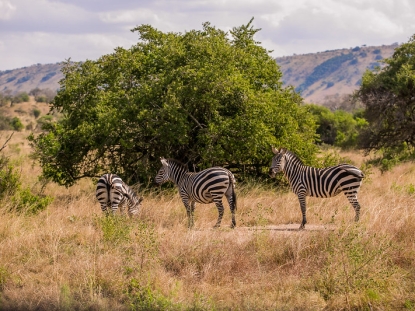
Yes, and many do. A full Rwanda trip often runs Nyungwe for chimps and the canopy walk, Volcanoes for gorillas, and Akagera for the Big Five, with Lake Kivu or Gishwati-Mukura in between. The early starts mean pacing matters, so the treks are best spread out. African Safari Trails maps the circuit so the demanding mornings do not bunch together.
Plan Your Rwanda Chimpanzee Tracking Safari with African Safari Trails
Deciding between Nyungwe and Gishwati, securing the permit, and pacing an early chimp morning against the gorillas and the canopy walk all go more smoothly with someone who arranges this often, so the demanding starts are spread out and the forest leg lands well. African Safari Trails has spent years arranging Rwanda chimp trips, from the Nyungwe and Cyamudongo communities to the quiet chimps of Gishwati-Mukura, with the canopy walk, colobus tracking and lodges tied in around them. They will secure the permits and pace the trip, with the logistics handled quietly in the background.
Want a proper quote, or just a steer on Nyungwe versus Gishwati? Reach out to African Safari Trails and a real person gets back to you.