Scuba diving in Kenya explores warm Indian Ocean reefs, walls and wrecks across five marine parks, with turtles, reef sharks, rays and seasonal whale sharks. African Safari Trails arranges Kenya diving trips and PADI courses from Diani, Watamu and Malindi. The best visibility comes in the calm season from October to March.
Kenya’s underwater world is far less known than its savanna, yet the coast offers warm, clear water, healthy coral reefs, dramatic walls, caves and shipwrecks. Five protected marine parks shelter turtles, reef sharks, rays and hundreds of fish, with whale sharks and humpback whales passing through in season. Whether you are a first-timer learning the basics or a seasoned diver after a deep wall, the Kenyan coast delivers. African Safari Trails arranges diving trips and courses up and down the coast.
Why Take a Diving Trip in Kenya
Diving adds a whole second wilderness to a Kenya trip. After the big game of the parks, the reefs offer a different cast entirely, turtles, rays, reef sharks and clouds of coloured fish, in warm water that rarely needs more than a thin wetsuit.
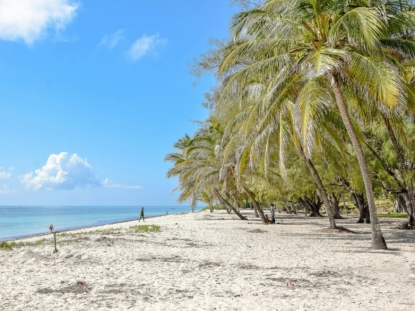
The coast suits every level, with gentle reefs and shallow coral gardens for beginners and deep walls and wrecks for the experienced, and it pairs naturally with one of Kenya’s beach holidays after safari. The water is warm and welcoming year-round. The contrast with the bush is the appeal. African Safari Trails builds diving into a coastal trip.
Kenya’s Marine Parks and Dive Tours
Kenya protects five marine parks and reserves, Mombasa, Watamu, Malindi, Kisite-Mpunguti and Kiunga, which form the heart of the diving along the coast, with Diani and Kilifi adding more. These protected reefs hold the richest marine life and the best-kept coral.
Dive tours run from established centres at Diani, Watamu, Malindi and Mombasa, with boats reaching the sites in a short ride from shore. The parks mean healthy reefs and abundant fish. They are the foundation of Kenyan diving. African Safari Trails books tours to the right park for your level.
The Best Dive Sites
Each stretch of coast has its highlights. Watamu marine park has around twenty dive sites for all levels, from the green turtles of Turtle Reef to the steep walls of the Canyon, while Kisite-Mpunguti in the south offers some eleven sites among clear water and coral.
Mombasa marine park puts good reef and pelagic diving a short boat ride from the beach, and Diani’s fringing reefs and drop-offs, like Kinondo and the macro-rich Galu, round out the choice. There is a site to suit every diver. The variety is real. African Safari Trails matches the sites to your experience.
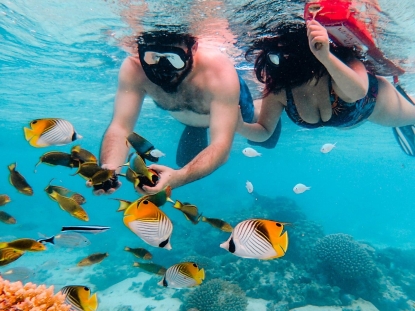
You roll backwards off the boat into bath-warm water and sink slowly into a world of colour. A green turtle lifts off the reef and finds its way past your shoulder, unbothered. A moray eel watches from a crack in the coral, parrotfish crunch at the reef, and a white-tip reef shark slides along the sand below. Somewhere out in the blue a shape resolves into a manta ray, banking on its great wings, and you hang there weightless, just breathing, completely at home in the sea.
Reef, Wall and Wreck Dives
Kenya offers the full range of dives. Shallow coral gardens and fringing reefs suit gentle diving and beginners, while deep walls like Nyuli at Kisite, where currents meet and reef sharks patrol the sand, reward experienced divers in the calm season.
For wreck diving, the MV Dania, an old cargo vessel sunk on purpose as an artificial reef in 2002, sits upright in around thirty metres of water and now teems with morays, groupers and schooling fish. Caves and drift dives add still more variety. There is depth and interest for everyone. African Safari Trails arranges reef, wall and wreck dives to suit you.
Marine Life You Might See
The reefs are alive with marine life. Green and hawksbill turtles, white-tip and black-tip reef sharks, manta and eagle rays, groupers, barracuda, moray eels and great shoals of reef fish are all regular sightings on Kenyan dives.
For the patient, the macro life is just as rewarding, seahorses, frogfish, nudibranchs, leaf scorpionfish and rare crustaceans hiding among the coral. The far-northern Kiunga reserve is even home to the rare dugong. Every dive turns up something different. The reefs repay close attention. African Safari Trails pairs you with guides who find the marine life.
Whale Shark Watching in Season
The Kenyan coast has its seasonal giants. Whale sharks, the largest fish in the sea and harmless plankton-feeders, visit from around November to February, and divers and those on snorkelling trips can sometimes share the water with these gentle giants off Watamu and Diani.
Manta rays are most common in the same months, and humpback whales pass the coast from July to October, a season that also draws people on dedicated whale watching trips. These seasonal visitors are never guaranteed but a true prize when they appear. The timing is worth planning around. African Safari Trails times a trip for the seasonal marine life.
Learning to Dive in Kenya
Kenya is a fine place to learn. The warm, calm, clear water of the marine parks makes ideal conditions for beginners, and dive centres along the coast run recognised courses from first-timer try-dives through to full open-water certification and beyond.
Experienced divers can add advanced, wreck, deep and night qualifications, and the centres rent and service quality gear. A course slots easily into a beach stay of a few days. The gentle reefs build confidence quickly. African Safari Trails arranges courses with reputable, certified centres.
Five marine parks
Mombasa, Watamu, Malindi, Kisite-Mpunguti and Kiunga protect the coast’s richest reefs, with Diani and Kilifi adding more.
Reefs, walls and wrecks
Shallow coral gardens for beginners, deep walls like Nyuli for the experienced, and the purpose-sunk MV Dania wreck.
Marine life
Turtles, reef sharks, manta and eagle rays, groupers and shoals of fish, plus macro life like seahorses and frogfish.
Seasonal giants
Whale sharks from November to February and humpback whales from July to October, both wild and never guaranteed.
Best Time for Diving Trips
Diving is possible year-round, but the calm dry months give the best visibility and the gentlest seas. The long rains bring rougher water and reduced clarity.
October to March (calm season)
The prime diving window, with calm seas, the clearest water and whale sharks and manta rays around from November to February.
July to September (cool dry season)
Good diving with cooler water and the humpback whale season offshore, though some days bring more wind and swell on the surface.
April to June (long rains)
The wettest months, with rougher seas and reduced visibility, so the long rains are the least reliable time to dive.
Dive in the calm season, bring your certification, and match the site to your level. The best diving runs from October to March when the sea is calm and visibility is at its clearest, often over thirty metres, with whale sharks and mantas around from November to February, so plan a coastal stay in that window for the finest conditions. Bring your certification card and logbook if you are already qualified, and allow time to complete a course on the spot if you are not, since the warm, gentle marine-park water is ideal for learning. Be honest about your experience so the centre matches you to the right sites, since the deep walls and some drift dives need real skill. Leave a day clear before flying after your last dive. African Safari Trails books the dives and centres.
Combining Diving with a Safari
Diving makes a natural partner to a land safari. The classic Kenya trip pairs days in the parks with time on the coast, so a few mornings underwater can follow the game drives, with everything linked by short flights from the safari areas to the coastal airports.
Tsavo East lies only a few hours from the central coast by road, making a bush-and-reef combination especially easy, and the same reefs form part of the wider scuba diving in East Africa scene. The contrast between savanna and reef is the whole charm. The two sides balance each other well. African Safari Trails builds diving into a full safari-and-coast trip.
Planning a Diving Trip
A diving trip is usually based on the coast, at Diani in the south or Watamu and Malindi on the central coast, all a short flight from Nairobi or the parks. The dive centres handle boats, gear and guiding, and most sites are a short ride offshore.
Diving is booked within a beach stay rather than as a stand-alone trip, with marine park fees, boat and guide bundled together. A little planning around the season makes all the difference. The calm months are the key. African Safari Trails arranges the flights, beach stay and dives.
Scuba Diving in Kenya FAQ
When is the best time to dive in Kenya?
The calm dry season from October to March gives the best visibility and gentlest seas, with whale sharks and manta rays around from November to February, while the long rains from April to June bring rougher, murkier water. Diving is possible year-round. African Safari Trails times a trip for the best conditions.
Where are the best places to dive in Kenya?
Watamu marine park has around twenty varied sites, Kisite-Mpunguti in the south offers clear water and walls, Mombasa puts reefs a short ride from shore, and Diani has fringing reefs, drop-offs and wrecks. Each suits a different level. African Safari Trails matches the sites to your experience.
Can beginners learn to dive in Kenya?
Yes, it is an excellent place to learn, with warm, calm, clear marine-park water and dive centres running recognised courses from first-timer try-dives to full open-water certification. A course fits easily into a beach stay. African Safari Trails arranges courses with certified centres.
How much does diving in Kenya cost?
Costs depend on whether you are taking single dives, a package or a full course, with marine park fees, boat and gear usually bundled in. A learn-to-dive course costs more than a guided dive for the already qualified. African Safari Trails gives a clear, all-in quote.
Can you dive with whale sharks?
In their season, yes. Whale sharks, the largest fish in the sea and harmless filter-feeders, visit the coast from around November to February, and divers and snorkellers can sometimes share the water with them off Watamu and Diani, though sightings are never guaranteed. African Safari Trails times a trip for the season.
Can you combine diving with a safari?
Yes, and it is the classic Kenya trip. Days in the parks pair with time on the coast, linked by short flights, so diving can follow the game drives, with Tsavo East only a few hours from the central coast. African Safari Trails builds diving into a full safari-and-coast trip.
Plan Your Kenya Diving Trip with African Safari Trails
Timing a coastal stay to the calm, clear season, matching the dive sites to your experience, lining up a reputable centre and pairing the reefs with a land safari all go more smoothly with someone who knows the Kenya coast, so you dive the best sites in the best conditions rather than rough, murky water out of season. African Safari Trails has spent years building bush-and-coast trips and works with established, certified dive centres from Diani to Malindi. They will tell you straight when and where to dive, what suits your level and how to fit it around the parks, and handle the flights, beach stay, fees and dives quietly in the background.
See more things to do in Kenya or browse our full range of Kenya safaris. Want a proper quote, or just a steer on planning a diving trip? Reach out to African Safari Trails and a real person gets back to you.