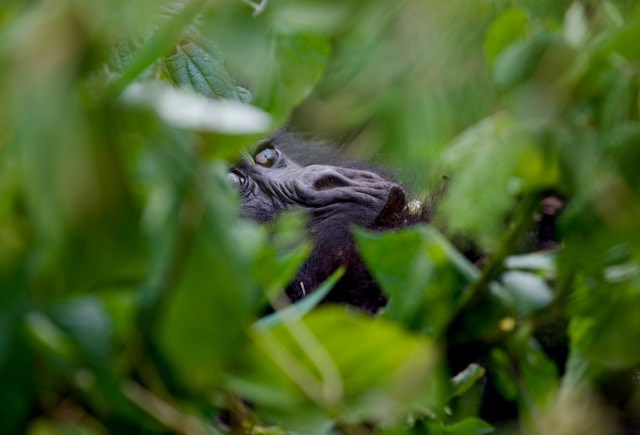
Neither Uganda nor Rwanda is flatly better for gorilla trekking; the right choice turns on your budget, your fitness, how much time you have, and whether you want a polished short trip or a wilder, longer adventure. Rwanda wins on speed and comfort, with Volcanoes National Park a short drive from Kigali and a lighter trek underfoot. Uganda wins on value and depth, with a cheaper permit, far more habituated families in Bwindi, and a bigger overall safari to build around. Both protect mountain gorillas in the same Virunga ecosystem, and both deliver the same hour with a habituated family once you reach them.
If you have been going back and forth on this, you are not alone, and it is a genuinely close call rather than an obvious one. The differences are real but none of them is a dealbreaker, so the honest way through is to weigh each one against what matters most to you. Here is how the two stack up, factor by factor.
Comparing the Gorilla Trekking Experience in Bwindi and Volcanoes
The heart of the decision is where you actually trek. Uganda’s gorilla trekking safari centres on Bwindi Impenetrable National Park in the southwest, an ancient rainforest that holds more habituated gorilla families than anywhere else on earth and roughly half the world’s remaining mountain gorillas across the wider region. The name is not marketing; the forest is dense, tangled and genuinely hard to move through. Uganda has a second gorilla park too, Mgahinga, though its single habituated family means most permits are for Bwindi.
Rwanda’s gorilla trekking happens solely in Volcanoes National Park, in the volcanic Virunga Mountains in the northwest. The setting is different in character: rolling hills, bamboo forest, open meadows and afro-alpine slopes rather than deep jungle. The species is identical in both countries, the group size sits at six to eight trekkers, and the time with the gorillas is capped at one hour in each. What changes is everything around that hour, and that is where the two part ways.
Uganda, Bwindi: dense montane rainforest, more habituated families than any single site, roughly half the region’s mountain gorillas, plus a small quota at Mgahinga.
Rwanda, Volcanoes: volcanic slopes with bamboo and open meadow, several habituated families, one central park headquarters at Kinigi, and the legacy of Dian Fossey’s research.
Gorilla Permit Cost and Value on a Uganda or Rwanda Trek
Cost is the difference most people notice first, and it is a big one. Uganda’s gorilla permit sits well below Rwanda’s, which is the main reason many travellers who had planned to trek in Rwanda now cross into Uganda instead. Rwanda deliberately charges a premium as part of a high-value, low-volume tourism model, funnelling more per visitor into conservation and community revenue-sharing while keeping numbers down.
The gap widens once you look past the permit. Because Uganda’s permit is cheaper, the same overall budget stretches further, letting you add nights, upgrade a lodge, or bolt on chimp trekking or a savannah safari without the total ballooning. Rwanda’s premium buys polish and proximity rather than a different gorilla. For a couple, the permit difference alone runs into four figures before any other line on the quote. The exact figures live in the FAQ below, but the shape of it is simple: Uganda is the lower-cost route, Rwanda the premium one.
Uganda also runs a low-season permit discount in April, May and November, and offers a longer four-hour habituation experience for those who want more than the standard hour. Rwanda holds a single year-round price for international visitors with no seasonal discount.
Access and Travel Time to Each Gorilla Trekking Safari
This is Rwanda’s clearest advantage. Kigali International Airport sits roughly two and a half to three hours by good tarmac road from Volcanoes National Park, which means you can land, trek the next morning, and be back in Kigali inside 48 hours. For travellers short on time or building a quick, high-impact gorilla trekking tour, that efficiency is hard to beat.
Uganda asks more of you. From Entebbe, Bwindi is an eight to ten hour drive, so a purely road-based trip needs a full week to make sense, ideally broken up with a stop in Queen Elizabeth or Murchison Falls. A domestic charter flight cuts the transfer to about an hour plus a short drive, which changes the maths considerably. There is a neat middle path too: fly into Kigali and drive four to five hours across the border to Bwindi’s southern sectors, pairing Rwanda’s easy airport with Uganda’s cheaper permit. Just remember the border crossing and that Uganda runs an hour ahead of Rwanda.
Rwanda access: around two and a half to three hours from Kigali to the park. Short trips of two to three nights are realistic. Best for tight schedules.
Uganda access: eight to ten hours by road from Entebbe, or roughly an hour by charter flight. Suits a longer, multi-stop itinerary. Kigali-to-Bwindi is a popular shortcut.
Trek Difficulty and Terrain on a Gorilla Safari
Fitness should weigh heavily in your choice, because the two parks feel different underfoot. Bwindi is the tougher gorilla trekking adventure. Trails are steep, the undergrowth is thick, and guides sometimes cut a path with a machete. Treks regularly run four to six hours and can stretch longer depending on where the family has moved overnight, so a stronger baseline of fitness helps. Experienced operators recommend hiring a porter for almost every guest in Bwindi, whatever their fitness, both to ease the climb and to support the local community.
Volcanoes tends to be gentler. The volcanic terrain is more open, the bamboo forest less dense, and treks often run shorter, from roughly half an hour to a few hours. That makes Rwanda the more forgiving option for moderate fitness or limited mobility, though it is still a hike at altitude and not a stroll. Neither country lets you pick a family in advance; rangers assign you on the morning based on gorilla location and your group’s fitness, and you can request an easier or harder trek, though nothing is guaranteed. Within Bwindi, the sector matters: Buhoma and Rushaga are relatively gentler, while Nkuringo is known for punishing steep descents and climbs.
Gorilla Families, Permits and Availability in Each Country
If flexibility on dates matters to you, Uganda has the edge. Bwindi holds many more habituated families than Volcanoes, spread across four sectors, which means more permits issued each day and a better chance of securing your preferred dates. That volume also opens the door to trekking two different sectors on separate days for two distinct experiences, since no two families or terrains are alike.
Rwanda runs a tighter operation with fewer habituated families, all tracked from the single Kinigi headquarters. Permits are strictly allocated per family per day and sell out well ahead in high season. Both countries cap daily numbers hard to protect the gorillas, and in both, peak dates fill months in advance, so the practical advice is the same: secure permits before you lock in flights. Uganda simply gives you more room to manoeuvre when your dates are fixed.
Whichever country you choose, book permits three to six months ahead for peak season, and longer still for the December and New Year window. In both Uganda and Rwanda the daily quota is small, and a sold-out date cannot be worked around.
Accommodation and Trip Style on a Rwanda or Uganda Gorilla Tour
Trip style is where personal taste really decides it. Rwanda leans hard into luxury. Its high-value strategy has drawn a cluster of four and five-star lodges near Volcanoes, many within ten to twenty minutes of the park gate, so morning drives are short and rest time is long. If you are marking a milestone, a honeymoon or a big anniversary, and the standard of the lodge matters as much as the trek, Rwanda’s polish is genuinely hard to match.
Uganda spreads wider across budget, mid-range and high-end, so the same trip can suit a tighter wallet or an open one. The lodges around Bwindi trade ultra-luxury positioning for character and warmth, and many travellers who have done the flagship luxury circuit actively prefer that lived-in, community-embedded feel. A Rwanda gorilla trip often runs as a short, seamless two to three nights, whereas a Uganda gorilla tour usually unfolds slower, over a longer itinerary that folds in other parks and communities.
Combining Gorillas With Other Wildlife Safaris
If you want more than gorillas, Uganda offers the broader canvas. It is a much larger, more varied country, and a gorilla trek slots naturally into a wider Uganda safari: tree-climbing lions and boat cruises in Queen Elizabeth, the falls and game of Murchison, chimpanzee tracking in Kibale, and golden monkey trekking in Mgahinga. Building a week or more around the gorillas is the norm rather than the exception.
Rwanda has genuine variety too, just on a smaller scale. Nyungwe Forest offers chimpanzee tracking and canopy walks, Akagera delivers a Big Five savannah safari, and Lake Kivu gives you a lakeside pause, with tea estates between the parks adding a texture most visitors do not expect. Rwanda even discounts the gorilla permit if you pair it with visits to its other parks in the low-season window. Uganda still edges it for sheer wildlife diversity, but Rwanda packs a surprising amount into a compact, easy-to-cover country.
So Which Country Should You Choose for Gorilla Trekking
Line the factors up and a pattern appears. Choose Rwanda gorilla trekking if your time is short, your fitness is moderate, you want a seamless luxury trip, and the premium price is not the deciding factor. The quick Kigali transfer, gentler terrain and polished lodges make it the low-friction option, ideal for a first-time Africa traveller or a special occasion.
Choose Uganda gorilla trekking if value matters, you are happy with a tougher, wilder forest trek, you want flexibility on dates, or you plan to build a longer safari that combines gorillas with other wildlife. The cheaper permit, greater number of families and wider range of accommodation give you room to shape the trip around what you actually want. Many seasoned travellers do both, splitting three or four nights across each country connected by a road crossing or short flight, and that combined gorilla trekking in East Africa route is one of the most rewarding ways to see the region.
Frequently Asked Questions
How much does a gorilla permit cost in Uganda versus Rwanda?
A Uganda gorilla trekking permit currently costs 800 US dollars per person for foreign non-residents, falling to 600 dollars in the low-season months of April, May and November. Rwanda’s permit is 1,500 dollars per person, the same figure all year with no seasonal discount. Uganda also offers a four-hour gorilla habituation experience at 1,500 dollars. Neither price includes accommodation, transport, meals or porter tips.
Is gorilla trekking harder in Uganda or Rwanda?
Uganda’s Bwindi is usually the harder trek, with steep, dense rainforest and treks that often run four to six hours or more. Rwanda’s Volcanoes tends to be gentler and shorter, on more open volcanic terrain, which suits moderate fitness better. Both are hikes at altitude, and in both countries rangers can assign an easier or harder group on the morning, though the final terrain depends on where the gorillas have moved.
Can I trek gorillas in Uganda after flying into Kigali?
Yes, and many travellers do. Flying into Kigali and driving four to five hours to Bwindi’s southern sectors pairs Rwanda’s convenient airport with Uganda’s cheaper permit. You cross the Uganda-Rwanda border on the way, so carry your passport and permit, and note that Uganda runs one hour ahead of Rwanda.
How far in advance should I book a gorilla trekking safari?
Book permits three to six months ahead for peak season in both countries, and six to twelve months ahead for December and the New Year period. Daily permit numbers are strictly capped in Uganda and Rwanda alike, and popular dates sell out, so it is wise to secure permits before finalising flights.
Which country is better for combining gorillas with a wider safari?
Uganda, for sheer variety. It is larger and more diverse, letting you pair gorillas with tree-climbing lions in Queen Elizabeth, game viewing at Murchison Falls, and chimp tracking in Kibale. Rwanda offers chimps in Nyungwe, Big Five at Akagera and Lake Kivu on a smaller, more compact scale, which is ideal if you want a shorter, tidier trip.
Is the gorilla experience itself different between the two countries?
The core experience is the same. Both protect the same mountain gorilla species in the shared Virunga ecosystem, both limit you to one hour with a habituated family, and both cap group size at six to eight people. What differs is everything around that hour: the terrain, the travel time, the permit cost, the lodges and the size of the wider safari you can build.
Weighing Uganda against Rwanda is easier with someone who has walked both forests, and that is where a good local operator earns their keep. African Safari Trails has spent years running gorilla trips across both countries, with guides who grew up beside these parks and can tell you honestly which one fits your fitness, your dates and your budget rather than pushing the pricier option. They will set expectations straight, including that a sighting is managed carefully but never staged.
If you would like a steer on which country suits you, or a full quote for one or both, reach out to African Safari Trails and a real person, not a bot, gets back to you.