Photography tours in East Africa are built around the region’s best wildlife and light, from the migration and big cats of the Serengeti and Mara to the gorillas of the forests. African Safari Trails arranges photography tours with photo vehicles, hides and guides who know the shot. Dawn light, patience and the right vehicle make the difference.
East Africa is one of the world’s great places to photograph wildlife, and a photography tour is built to make the most of it. Rather than rush from sighting to sighting, a photo safari chases the best light, works the right angles and gives you time to wait for the moment, with a vehicle, guide and route designed around the camera. From the migration to gorillas, African Safari Trails arranges the photography tour to match.
Where to go
Photography Tours across East Africa.
Why Take a Photography Tour
A photography tour is different from an ordinary game drive. The whole trip is built around the image, the early starts for golden light, the patience to wait at a sighting, the angles a general safari rarely allows, so you come home with photographs rather than snapshots.
East Africa gives the photographer staggering material, the migration, big cats, elephants, gorillas, birds and grand light over the plains, and a specialist tour helps you capture it. It suits keen amateurs and professionals alike. The focus on the image is the point. African Safari Trails builds the tour around your photography.
The Serengeti and Mara for Big-Cat Watching
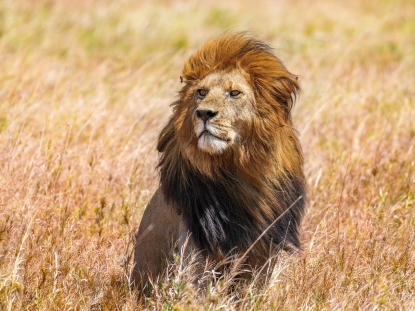
The Serengeti and the Maasai Mara are the region’s premier photographic country, famous for big cats and the drama of the great migration. Lion, cheetah and leopard are seen in the open against clean backgrounds, and the river crossings offer some of the most dramatic wildlife images anywhere.
The open plains, low golden light and constant action make this a photographer’s dream, especially in the conservancies where vehicles can position freely. The migration is the headline subject. The big cats are the draw. African Safari Trails bases photo tours where the action is.
Amboseli, Elephants and Kilimanjaro
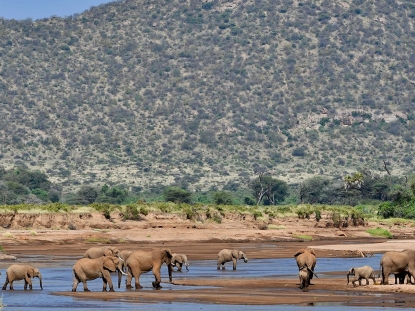
Amboseli in Kenya offers the region’s most famous image: big-tusked elephants crossing the plains with the snows of Kilimanjaro behind. The dry lake beds, dust and clear dawn light make for striking, graphic photographs, and the elephants are relaxed and approachable on the open ground.
Early morning, before cloud builds over the mountain, is the time for the classic Kilimanjaro backdrop, while the swamps offer more intimate elephant studies. It is a photographer’s park through and through. The mountain backdrop is unmatched. African Safari Trails times Amboseli tours for the clearest views.
The light is everything. You are in position before dawn, engine off, waiting, and as the sun lifts over the plain it turns the dust to gold and rims a lioness and her cubs in fire. Nobody speaks. The shutters fire in bursts as she yawns, stretches and leads the cubs across the track right in front of you, and in that low, slanting, ten-minute window of perfect light you take the photograph you flew across the world to make.
Gorillas and the Forest Primates
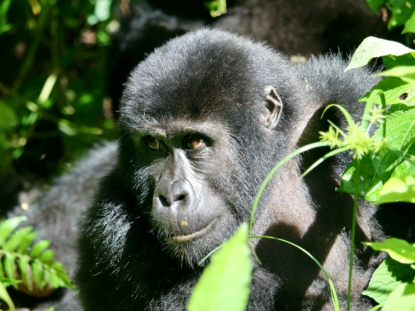
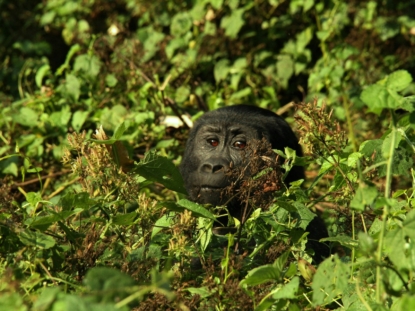
The forests offer a different photographic challenge. Photographing mountain gorillas in Uganda and Rwanda, or chimps and golden monkeys, means low light, dense vegetation and fast-moving subjects, demanding fast lenses, high settings and quick reactions, but the reward is intimate portraits of our closest relatives.
A guide who understands forest photography helps you make the most of the strictly limited hour. These images are unlike anything from the plains. The forest demands a different kit. African Safari Trails advises on photographing the primates.
Ngorongoro and the Rift Lakes
Beyond the famous plains, the region rewards the photographer with more. The Ngorongoro Crater packs dense wildlife into a dramatic bowl, the Rift Valley soda lakes draw flamingos in pink clouds, and the dry north of Kenya offers its own special species and stark scenery.
These add variety to a photographic trip, from massed birds to crater landscapes, each with its own light and subjects. The crater is a natural amphitheatre for wildlife. The lakes are a spectacle. African Safari Trails plans routes rich in subjects.
Photographic Hides and Conservancy Tours
For a different angle, some camps offer photographic hides, low shelters at waterholes where you shoot wildlife at eye level as it comes to drink, often unaware of you. This ground-level perspective is hard to get from a vehicle and produces striking, intimate images.
The private conservancies add freedom, allowing off-road driving to position for the light and the angle, and night drives for nocturnal subjects, neither of which the national parks permit. These open up shots the parks cannot. The access is the advantage. African Safari Trails books hides and conservancy tours.
Photo Vehicles and Pro Guides
The right vehicle and guide transform a photo safari. A dedicated photographic vehicle has open sides, beanbags or mounts to steady long lenses, room to move and charging points, while a guide who understands photography positions the car for the light and the background, not just the sighting.
Some tours are led by professional photographer-guides who help with settings and composition in the field. This combination of access and expertise lifts the results. The guide is half the picture. African Safari Trails arranges photo vehicles and knowledgeable guides.
Light, Timing and Patience
Great wildlife photography comes down to light, timing and patience. The soft, warm light of the first and last hours of the day is far kinder than harsh midday sun, so photo tours run early and late and rest through the bright middle hours.
Waiting at a sighting for the animal to act, rather than moving on, is what produces the memorable frame, and a photo tour builds in that time. A patient guide reads behaviour to anticipate the moment. The best images are earned by waiting. African Safari Trails plans the day around the light.
Serengeti and Mara
Big cats and the migration’s river crossings against clean backgrounds in low golden light, the region’s premier photo country.
Amboseli and Kilimanjaro
Big-tusked elephants against the snows of Kilimanjaro in the clear dawn, East Africa’s most famous wildlife image.
Gorillas and primates
Intimate forest portraits of gorillas, chimps and golden monkeys in Uganda and Rwanda, demanding fast lenses and quick reactions.
Hides and conservancies
Eye-level waterhole hides and off-road, night-drive freedom in the conservancies for angles the parks cannot offer.
Photography Tours for All Levels
A photography tour suits every level. Keen beginners with a first long lens learn to use the light and the vehicle, keen amateurs refine their craft with time and access, and professionals get the positioning and patience their work demands, with photographer-guides on hand to help.
Non-photographer companions are welcome too, enjoying the same superb wildlife while the photographers work. A tour can be pitched gently or run hard, to taste. There is a level for everyone. African Safari Trails matches the tour to your photography.
Best Time for a Photography Safari
The dry seasons offer the easiest wildlife photography, with animals gathered and the bush thin, and the migration adds its great spectacle from around July to October. The green season brings dramatic skies, birds and newborns.
July to October (dry season and migration)
Peak photography, with the migration in the Serengeti and Mara, river crossings, big-cat action and clear, dusty golden light.
January to March (short dry season)
Clear Kilimanjaro views from Amboseli, calving in the southern Serengeti, good big-cat action and fewer crowds.
April to June, November (rains)
Dramatic skies, green backgrounds, birds in breeding plumage and newborns, with fewer vehicles, though some harder going.
Shoot the golden hours, give yourself time, and bring the right kit. Wildlife photography lives or dies by light, so build the tour around the soft early-morning and late-afternoon hours and rest through the harsh midday, accepting early starts as the price of the best images. Allow more days than a general safari and resist the urge to rush between sightings, since the memorable frame usually comes from waiting at one. Bring a long lens for wildlife, a faster lens for the forest gorillas, a beanbag or support for the vehicle, spare cards and batteries, and a dust-proof bag, since the plains are dusty. Ask for a private vehicle and a photography-minded guide, which make far more difference than a fancier camera body. African Safari Trails arranges the vehicle, guide and route.
Combining a Photo Tour with a Balloon
For an aerial angle, a balloon safari adds a rare perspective to a photo tour. A dawn flight over the Serengeti or the Maasai Mara lets you shoot the plains, the herds and their long shadows from above, a viewpoint impossible from the ground, with the soft early light at its best.
It makes a memorable addition to a photographic trip, especially in the migration season. The aerial images are unlike any from a vehicle. The balloon opens a new angle. African Safari Trails can add a balloon flight to a photo tour.
Planning a Photography Tour
A photography tour centres on the prime wildlife areas, the Serengeti, Mara and Amboseli for the plains, the forests of Uganda and Rwanda for the primates, often with a conservancy for the freedom to position, all reached by short flights. The key choices are a private photographic vehicle, a knowledgeable guide and enough days to work the light.
A photo tour is best built as its own trip rather than tacked onto a general safari, since it sits apart from the region’s wider range of activities and its pace and priorities differ. A little planning sets up the access and time the camera needs. The details matter here. African Safari Trails arranges the whole photographic trip.
Photography Tours in East Africa FAQ
What is a photography tour in East Africa?
It is a safari built around wildlife photography, with the route, timing, vehicle and guide all designed to chase the best light, work the right angles and give time to wait for the moment, rather than rushing between sightings. African Safari Trails builds the tour around your photography.
Where are the best places for wildlife photography?
The Serengeti and Mara for big cats and the migration, Amboseli for elephants against Kilimanjaro, the forests for gorillas and primates, Ngorongoro for dense wildlife and the soda lakes for flamingos. A tour often combines several. African Safari Trails plans routes rich in subjects.
Do you need professional gear or skill?
No, photography tours suit all levels, from keen beginners with a first long lens to professionals, with the guide helping you make the most of the light and the vehicle. A long lens and some patience matter more than the newest camera. African Safari Trails matches the tour to your level.
How much does a photography tour cost?
A photo tour typically costs more than a general safari, since it usually involves a private vehicle, a photography-minded guide and more days at fewer places, plus any hides, conservancy fees or gorilla permits. African Safari Trails gives a clear, all-in quote.
Why is a private vehicle worth it for photography?
A private photographic vehicle lets you position for the light and the angle, stay as long as you like at a sighting and avoid sharing window space, with beanbags and room for long lenses. It makes far more difference to your images than a fancier camera. African Safari Trails arranges private photo vehicles.
When is the best time for a photography safari?
The dry season from July to October brings the migration and clear golden light in the Serengeti and Mara, January to March gives clear Kilimanjaro views from Amboseli, and the green season offers dramatic skies, birds and newborns. African Safari Trails times the tour for your subjects.
Plan Your East Africa Photography Tour with African Safari Trails
Choosing the right parks for your subjects, securing a private photo vehicle and a guide who understands light and composition, and giving the trip the days and patience photography needs all go more smoothly with someone who builds photo safaris, so you come home with the images rather than wishing you had stayed for the light. African Safari Trails has spent years building photographic trips across the Serengeti, Mara, Amboseli and the gorilla forests, with photo vehicles, hides and guides who know where the cats are and how the light falls. They will tell you straight where and when to go for your subjects, what kit and access you need and how to pace the days, and handle the vehicle, guide and route quietly in the background.
Want a proper quote, or just a steer on planning a photography tour? Reach out to African Safari Trails and a real person gets back to you.