Photography tours in Rwanda chase the country’s headline subjects: mountain gorillas and golden monkeys in Volcanoes, primates in Nyungwe, and the Big Five in Akagera. African Safari Trails arranges photography tours with the right guides, permits and pacing, alongside the wildlife. Add tea hills, Lake Kivu and Intore dancers, and Rwanda rewards a camera in forest, savanna and city alike.
For a small country, Rwanda offers a huge range for a camera. In a single trip you can photograph a silverback in misty forest, golden monkeys in the bamboo, elephants on open savanna, colobus monkeys leaping through rainforest, and the bright geometry of the tea hills, then finish with Intore dancers or the streets of Kigali. The light, the variety and the close access make it a fine photographic destination in the wider region. African Safari Trails arranges the permits, guides and pacing a serious camera needs.
What a Photography Tour in Rwanda Is Like
A photography tour in Rwanda follows the same activities as a wildlife trip, but paced and arranged for the camera, with a private vehicle, early starts for the best light, and time built in to wait for the shot. It threads the parks together, from the gorillas and golden monkeys of Volcanoes to the primates of Nyungwe and the savanna of Akagera.
The difference from a standard safari is in the details: room to linger, a guide who reads animal behaviour, and a schedule built around golden hour rather than ticking off sights. It suits keen amateurs and professionals alike. African Safari Trails arranges the tour around the light and the subjects.
Gorilla Photography on a Volcanoes Tour
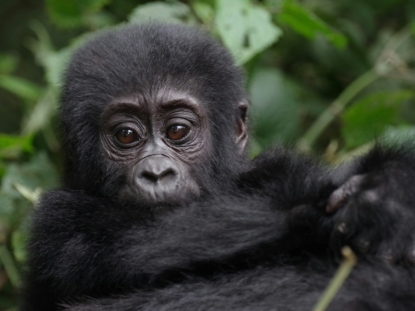
Gorilla photography in Volcanoes National Park is the headline of any Rwanda photographic tour, an hour at close range with a habituated family in the forest. The challenge is the low, dappled light under the canopy and the dark fur of the gorillas, which rewards a fast lens and a steady hand more than a long telephoto.
Flash is not allowed, so a camera that handles low light well matters, and the hour passes quickly, so knowing your settings beforehand helps. Golden monkeys add a brighter, faster subject in the bamboo nearby. African Safari Trails arranges the permits and a guide who helps you get the shot.
An hour with a gorilla family is no time at all once you are there. The light is dim under the canopy, flash is forbidden, and the silverback fills the frame whether you are ready or not, so the photographers who come home with the shot are the ones who knew their camera cold before they set foot in the forest.
Primate Photography on a Nyungwe Tour
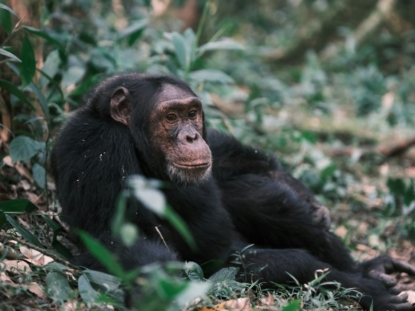
Nyungwe offers a different photographic tour, all rainforest atmosphere and primate behaviour in filtered green light. The park holds over a dozen primate species, from chimpanzees and the great colobus super troops to L’Hoest’s and golden monkeys, and the canopy walk gives a rare elevated angle over the forest.
The forest light is challenging and the primates move fast and high, so patience and a long lens both pay off, while the misty ridges and giant tree ferns reward the wider shot. It is a place for mood as much as for the animal portrait. African Safari Trails arranges the treks and the canopy walk for the camera.
Big Five Photography on an Akagera Safari
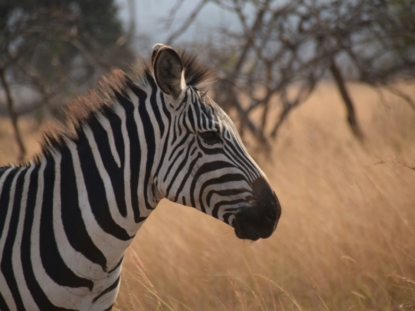
Akagera brings classic savanna wildlife viewing to a Rwanda safari, the open plains and lakes that the forests cannot offer. Here the Big Five roam, with lions and black rhinos reintroduced in recent years, alongside elephants, buffalo, giraffe, zebra and abundant plains game, all in the warm, open light that big game photography loves.
A boat safari on Lake Ihema adds hippos, crocodiles and waterbirds at eye level from the water, and the day and night game drives open more chances. The open country makes for cleaner backgrounds than the forest. African Safari Trails arranges the drives and boat for the best angles.
Beyond Wildlife: Tea, Lakes and Culture
Rwanda’s photographic appeal runs beyond animals. The tea plantations near Nyungwe lay bright green geometry across the hills, Lake Kivu and the Twin Lakes give water, islands and fishermen at dawn and dusk, and the Intore dancers offer movement, colour and drama in the cultural villages.
Kigali adds street life, markets, art and modern architecture, and the country’s terraced hills are photogenic almost everywhere. These subjects fill the time between wildlife and round out a portfolio. African Safari Trails builds the scenic and cultural stops into a photography trip.
Gorillas and golden monkeys
Close range in Volcanoes, dim canopy light and dark fur, no flash. A fast lens and known settings matter more than reach.
Nyungwe primates
Chimps, colobus and monkeys in filtered rainforest light, plus the canopy walk for an elevated angle over the forest.
Akagera Big Five
Savanna and lakes, lions and rhinos, elephants and birds, in warm open light, with boat and night drives for variety.
Tea, lakes and culture
Bright tea hills, Lake Kivu fishermen, Intore dancers and Kigali street life to round out a portfolio.
Gear and Gorilla Photography Rules
The right kit makes a Rwanda trip. A camera that performs in low light is the priority for the forest primates, with a fast mid range zoom for the gorillas and a longer telephoto for Akagera and Nyungwe, plus solid rain protection for the wet forest and a beanbag or monopod for support.
The rules matter too: no flash near the gorillas, a seven metre distance to keep where possible, and the one hour limit on the visit. Drones are restricted and not permitted in the parks without special clearance. A guide keeps you right. African Safari Trails briefs you on gear and the rules before each activity.
Working with a Photographic Safari Guide
A good guide is the difference on a photographic safari, reading animal behaviour to anticipate the shot, positioning the vehicle for the light, and knowing how long an hour with the gorillas really lasts. A private vehicle, rather than a shared one, lets you stop, wait and reposition as the picture demands.
Pacing matters as much as access, with early starts for golden light and time built in rather than a packed checklist. For serious photographers, this arrangement is worth far more than extra gear. African Safari Trails arranges private vehicles and guides who understand photographers.
Best Time for a Photography Tour
The dry seasons are best for photography, with better light, clearer air and firmer trails for the treks, though the wet months bring deep green and dramatic skies for those after mood and birds.
June to September
The long dry season, the best all round for photography, with clear light, firm trails and easier primate and savanna access.
December to February
The shorter dry spell, also strong for the camera and easy to combine forest and savanna in one trip.
March to May and October to November
The wet seasons, green and moody with dramatic skies, good for atmospheric forest shots and birds, though trails are slippery and light flatter.
Know your camera cold before the gorilla hour, and book a private vehicle. The single hour with a gorilla family passes in a blur, the light is dim and flash is banned, so the photographers who succeed are those who have their low light settings dialled in before they enter the forest. For the savanna and primates, a private vehicle that can stop and wait for the light beats a shared one every time. African Safari Trails arranges the private vehicle and the pacing that serious photography needs.
Planning Your Photography Safari
A photography trip threads the parks together, Volcanoes in the north for gorillas and golden monkeys, Nyungwe in the southwest for primates and rainforest, Akagera in the east for savanna and birds, with Lake Kivu, the tea hills and Kigali between. The same permits as a wildlife trip apply, with the gorilla permit the major cost.
Private vehicles, early starts and an unrushed pace are what set it apart, and a typical trip runs eight to twelve days to cover the range. African Safari Trails arranges the permits, private vehicle, guides and pacing as one trip.
Photography Tours in Rwanda FAQ
How much does a photography tour in Rwanda cost?
A photography tour is priced like a wildlife trip plus the permits, with the gorilla permit at 1,500 US dollars the major cost, alongside golden monkey, chimp and park fees. The main extra is a private vehicle and an unrushed pace, which raise the cost above a shared group tour. African Safari Trails builds a quote around the parks and pacing you want.
Can I use flash to photograph gorillas?
No. Flash is not permitted near the gorillas, so a camera that handles low forest light well is the priority, since the canopy is dim and the gorillas are dark furred. A fast lens and known settings matter more than a long telephoto at close range. African Safari Trails briefs you on the rules and the gear before the trek.
What camera gear should I bring?
Bring a camera that performs in low light, a fast mid range zoom for the gorillas, a longer telephoto for Akagera and Nyungwe, rain protection for the wet forest, and a beanbag or monopod for support. Spare batteries and cards matter, as charging can be limited. African Safari Trails advises on kit for each activity before you travel.
Can I fly a drone in Rwanda?
Drones are restricted in Rwanda and not permitted in the national parks without special clearance, which is rarely granted to visitors, so a drone is best left at home for a wildlife trip. Photography from the ground, vehicle and boat covers the parks well. African Safari Trails advises on the current rules if you have a specific need.
How long should a photography trip be?
To cover the range, from gorillas and primates to savanna and scenery, a photography trip usually runs eight to twelve days, allowing repeat sessions and time to wait for the light rather than rushing. Shorter trips can focus on one or two parks. African Safari Trails sets the length around your subjects and budget.
Is a private vehicle worth it for photography?
For serious photography, yes. A private vehicle lets you stop, wait and reposition for the light and the shot, rather than moving on with a group, which is often worth more than extra gear. Paired with an early start, it transforms the savanna and birding results. African Safari Trails arranges private vehicles and photographer friendly guides.
Plan Your Rwanda Photography Safari with African Safari Trails
Pacing a trip around the light, securing the permits, and arranging a private vehicle with a guide who reads animal behaviour all go more smoothly with someone who knows the parks, so you come home with the shots rather than the regrets. African Safari Trails has spent years building photography tours into Rwanda trips, from gorillas and golden monkeys in Volcanoes to Nyungwe’s primates, Akagera’s Big Five and the tea, lakes and culture between, with private vehicles, permits and guides arranged. They will pace it for the camera, with the logistics handled quietly in the background.
Want a proper quote, or just a steer on a photography route? Reach out to African Safari Trails and a real person gets back to you.