Tarangire National Park is a northern Tanzania safari park famous for huge elephant herds, ancient baobab trees and over 550 bird species along the Tarangire River. African Safari Trails arranges Tarangire safaris with game drives, walking safaris and the transfers from Arusha. Covering around 2,850 square kilometres on the northern circuit, it pairs naturally with Lake Manyara and the Ngorongoro Crater for a classic Tanzania safari.
Tarangire is the northern circuit’s quiet overachiever, often treated as a day-trip warm-up for the Serengeti when it deserves far more. This is elephant country, with some of the densest herds in Tanzania, set among giant baobabs that have stood a thousand years and more. In the dry season the Tarangire River pulls in wildlife from miles around, and the birding beats the Serengeti’s. Fewer vehicles, too. African Safari Trails handles the planning and the transfers from Arusha.
Why a Tarangire National Park Safari Stands Out
A Tarangire safari stands out for elephants, baobabs and birds across roughly 2,850 square kilometres of acacia woodland, swamp and savanna in northern Tanzania. The Tarangire River runs through it as the year-round lifeline, drawing one of the highest densities of game on the northern circuit, especially once the dry season sets in.
Less crowded than its famous neighbours, it gives you space and the feel of the real bush, yet sits close enough to Arusha to fold easily into a wider trip. The park became a reserve in the 1950s and a national park in 1970. African Safari Trails builds Tarangire into a northern circuit safari.
Elephant Herds on a Tarangire Safari
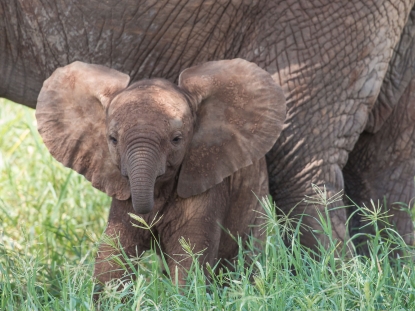
Elephants are the heart of a Tarangire safari, and the park holds the highest concentration of them in northern Tanzania. In the dry season, herds sometimes three hundred strong gather along the Tarangire River, digging in the dry sand for water and crowding the Silale Swamp, a sight few other parks can match.
You will see them throughout the park and at close range, often with tiny calves in tow, moving between the baobabs. Their numbers fell to poaching in past decades but have recovered well under park protection. The dry months pack them tightest along the water. African Safari Trails bases you where the herds concentrate.
In the dry months the Tarangire River becomes the only water for miles, and the elephants come in their hundreds. Herds three hundred strong move between thousand-year-old baobabs, calves scrambling to keep up, while the Silale Swamp draws buffalo, zebra and the lions that follow them. This is the northern circuit with the crowds stripped away.
Baobab Trees and the Tarangire Country
The other signature of Tarangire is the baobab, the vast, swollen-trunked tree of life that dots the park in numbers seen nowhere else on the circuit. Some are well over a thousand years old, storing hundreds of litres of water in their trunks, and elephants strip their bark in the dry season to reach the moisture inside.
Set against rolling savanna, swamp and acacia, the baobabs give Tarangire a look all its own, at its best in the low golden light of early morning and late afternoon. One old hollow baobab even served as a poachers’ hideout decades ago. African Safari Trails times drives for the best of the light and the trees.
Game Drive Safaris in Tarangire
The Tarangire game drive safari explores the park by 4×4, working the river, the swamps and the woodland where the game concentrates. The northern area around the river is busiest with wildlife and easiest to reach on a day trip, while the remote southern swamps reward those who stay longer with quieter, richer game viewing.
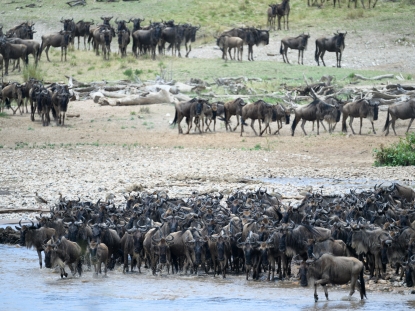
Beyond elephants, drives turn up buffalo, giraffe, zebra, wildebeest, eland, the fringed-eared oryx and greater kudu, with the seasonal migration of plains game swelling the numbers in the dry months. Gates run six in the morning to six at night. African Safari Trails plans a route that reaches past the day-trip crowds.
Predators and the Big Cats
Tarangire holds four of the Big Five, with lion, leopard, elephant and buffalo all present, though rhino are absent, so it pairs well with the Ngorongoro Crater for those wanting the full five. Lions are the main predator, sometimes seen draped in the trees as at Lake Manyara, and the swamps are prime hunting ground.
Leopard, cheetah, spotted hyena and even African wild dog roam the park, the dogs around Kitibong Hill, though all predators take patience and luck to find. The dry-season concentration of prey improves the odds. African Safari Trails works with guides who track the cats.
Elephant herds
The highest density in northern Tanzania, with herds up to 300 strong gathering along the Tarangire River in the dry season.
Baobab country
Ancient baobabs over a thousand years old dotting the savanna, giving the park a look unlike anywhere else on the circuit.
Walking and night drives
Guided walks and after-dark drives, available in and around the park, for a closer, quieter angle on the bush.
Birding
Over 550 species, more than the Serengeti, from yellow-collared lovebirds to kori bustards and lilac-breasted rollers.
Walking Safaris and Night Drives
A walking safari in Tarangire swaps the vehicle for a guided walk with an armed ranger, available as short morning outings or longer half-day walks, getting you close to the tracks, plants and smaller life a drive races past. The baobab country is fine walking ground.
Night drives, offered in and around the park, open up the nocturnal world the day misses, with the chance of genets, civets, bush babies and hunting cats picked out by spotlight. Both need arranging and carry their own fees. They add real variety to a drive-based trip. African Safari Trails arranges walking and night drives where available.
Bird Watching in Tarangire
Bird watching in Tarangire is among the best in Tanzania, with over 550 recorded species, more than the Serengeti, drawn to the river, swamps and woodland. The dry-country specialities are a highlight, with yellow-collared lovebirds, the huge kori bustard, ashy starlings, hornbills and the comical rufous-tailed weaver.
The green season from November brings migrants and breeding colour, the richest window for birds, though the variety rewards a sharp eye year-round. Birding folds naturally into a game drive here. African Safari Trails can pair you with a birding guide if it is a focus.
Balloon Safaris Over the Baobabs
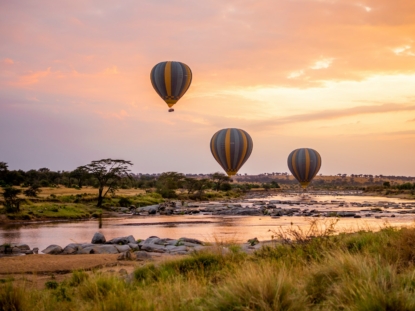
A hot air balloon safari gives a rare aerial view of Tarangire, lifting off at dawn to drift over the baobabs, the river and the herds as the light comes up, usually ending with a bush breakfast on the plains. From the basket the scale of the elephant country and the scatter of giant trees become clear.
Balloon flights run mainly in the dry season and need booking ahead, as operators and slots are limited. It is a memorable splurge for those who want it. African Safari Trails arranges the balloon where it is operating during your visit.
Best Time for a Tarangire Safari
Tarangire is at its best in the dry season, when the river concentrates huge numbers of game, while the green season brings birds, newborns and quieter, cheaper days. The park is worth visiting year-round, with the experience shifting by season.
June to October (dry season)
Peak game viewing, with elephants and plains game packed along the river and swamps. July to October is the prime window, if the busiest.
January and February (green season)
Green and quiet with newborn animals and excellent birding, a fine secret-season window between the rains with low crowds.
April and May (long rains)
The wettest months, when game disperses and some camps close, though the park is green and lodge rates drop for the adventurous.
Give Tarangire two days and push into the southern swamps. Most visitors rush Tarangire as a single day from Arusha and see only the busy northern river area, but staying a night or two lets you reach the remote southern swamps where the game is just as rich and the vehicles far fewer. Pack neutral colours rather than blue or black, since the woodland tsetse flies are drawn to those shades. African Safari Trails plans the extra day and the route south.
Getting to Tarangire National Park
Tarangire sits about 118 kilometres southwest of Arusha, a drive of roughly two to three hours on good road, which makes it the easiest northern park to combine into a wider circuit. Most visitors arrive by road as part of a longer trip taking in Arusha National Park, Lake Manyara, the Ngorongoro Crater and the Serengeti, one of many stops among Tanzania’s national parks.
A light-aircraft airstrip serves the park for those flying, and Kilimanjaro International Airport is the regional gateway. The park sits naturally at the start of a northern circuit loop. African Safari Trails arranges the transfers and the rest of the circuit around your Tarangire days.
Tarangire National Park Safari FAQ
How much does it cost to enter Tarangire National Park?
Park entry for foreign non-residents is around 45 to 50 US dollars per adult for each 24 hour period, plus 18 percent VAT, with children aged 5 to 15 paying about 15 dollars and under fives free. East African citizens pay roughly 10,000 shillings. A guided walking safari adds about 20 to 25 dollars and a night drive around 50. Most packages fold these in. African Safari Trails confirms the current fees and includes them in your quote.
When is the best time to visit Tarangire?
The dry season from June to October is best for sheer numbers, when elephants and plains game crowd the Tarangire River and the swamps. January and February are green and quiet with newborns and superb birding, while the long rains of April and May disperse the game. African Safari Trails times your visit around what you want to see.
Is Tarangire worth more than a day trip?
Yes. While many do it as a single day from Arusha, staying a night or two lets you reach the quieter southern swamps where the game is rich and the crowds thin out. Two days is the sweet spot for Tarangire. African Safari Trails builds in the extra time and the route to match.
Can you see the Big Five in Tarangire?
You can see four of them, lion, leopard, elephant and buffalo, but rhino are absent, so Tarangire offers the Big Four rather than the full five. Pairing it with the Ngorongoro Crater, the best place on the circuit for black rhino, completes the set. African Safari Trails plans the circuit so you get the best chance at all five.
How do I get to Tarangire from Arusha?
It is about 118 kilometres southwest of Arusha, a two to three hour drive on good road, usually done as the first leg of a northern circuit safari. A light-aircraft airstrip serves fly-in visitors, with Kilimanjaro International Airport the regional gateway. African Safari Trails arranges the transfers and the wider circuit.
Are there tsetse flies in Tarangire?
Yes, the woodland areas have tsetse flies, whose bite is painful but generally harmless, and they are drawn to dark blue and black clothing, so neutral khaki, beige and olive are the sensible choice. Malaria precautions also apply, as in most safari areas. African Safari Trails advises on what to pack and the health basics before you travel.
Plan Your Tarangire Safari with African Safari Trails
Slotting Tarangire into a northern circuit, deciding whether to stay overnight for the southern swamps, and timing the drives for the dry-season elephant herds all go more smoothly with someone who knows the park, so it becomes more than a rushed day out. African Safari Trails has spent years building Tarangire safaris, including the 6-Day Tarangire, Lake Manyara, Serengeti & Ngorongoro Luxury Lodge Safari, with guides who grew up beside these parks and read the seasons by instinct rather than a brochure. They will tell you straight when the herds are at the river and when the game has dispersed, and shape the days around what you most want, with the park bookings and transfers handled quietly in the background.
Want a proper quote, or just a steer on fitting Tarangire into your circuit? Reach out to African Safari Trails and a real person gets back to you.