Community visits in East Africa take you to village projects, cooperatives and conservancies run by local people, where tourism directly supports the community. African Safari Trails arranges community visits across the region, from the Batwa Trail to community conservancies. Your visit helps fund schools, conservation and livelihoods.
There is a difference between watching a culture and supporting a community. Community visits in East Africa are built around local projects, cooperatives, conservancies and community-run experiences where the people themselves are in charge and the money goes straight back into schools, clinics, conservation and livelihoods, one of the more rewarding of the region’s safari activities. From the Batwa Trail in the gorilla mountains to the community conservancies of northern Kenya, these visits let your trip do some good. African Safari Trails arranges them with genuine local partners.
Where to go
Community Visits across East Africa.
How Community Visits Differ from a Cultural Tour
A cultural tour is mainly about meeting a people and learning their ways; a community visit goes a step further, centring on a project the community owns and runs, so that tourism becomes a source of income and development rather than just a spectacle.
The two often overlap, but the emphasis of a community visit is on the local enterprise, the cooperative, the conservancy, the wetland walk, and on where your money goes. It is travel that gives back. The benefit is the point. African Safari Trails seeks out genuine community-led projects.
The Batwa Trail and Forest People
One of the region’s most moving community experiences is the Batwa Trail, led by the Batwa themselves, the original forest people of the mountains of Uganda and Rwanda. In Mgahinga and Bwindi, and across the border in Rwanda, Batwa guides share the forest skills, hunting methods, medicine and music of the life they once led, one of the standout community visits in Uganda and Rwanda.
Displaced when the forests became gorilla parks, the Batwa now earn from sharing their story, and the proceeds support the community directly. The forest knowledge is striking. The experience is honest and powerful. African Safari Trails arranges Batwa-led visits.
Community Conservancy Safaris in Kenya
Northern and central Kenya lead the region in community conservation. Across Laikipia and the north, community conservancies, areas of land owned and run by local people for wildlife and livestock together, have brought back wildlife and brought in tourism income, with lodges that are community owned or partnered.
Staying or visiting here means your money funds rangers, schools and clinics, and you see conservation working hand in hand with herding. Il Ngwesi and other community-owned lodges are pioneers. The model is widely admired. African Safari Trails builds community conservancies into a trip.
The difference is small but it changes everything. You are not watching a dance laid on for a tour bus; you are sitting with the women of a cooperative who built this workshop with the fees that visitors before you paid, drinking tea they grew, looking at the new classroom your bed-night helped to roof. The crafts you buy go straight into their hands, the conservancy ranger who walked you out this morning is paid by guests like you, and for once your holiday is quietly building something instead of just passing through.
Bigodi and Community-Run Walking Tours
Uganda has some of the region’s best community-run experiences. The Bigodi Wetland walk, beside Kibale National Park, is run by the local community and famous for its primates and birds, with the fees funding schools and local projects. Similar community walks and projects sit near many of the parks.
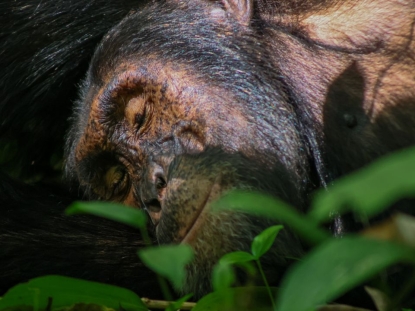
These guided walks put local people in charge of their own tourism, and the money stays in the village. They pair naturally with chimpanzee tracking at Kibale. The community pride is clear. The walks are genuinely good. African Safari Trails builds Bigodi and similar walks into a trip.
Cooperatives and Women’s Groups
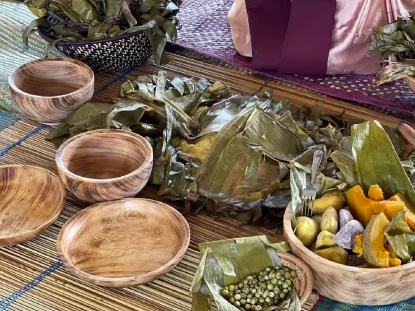
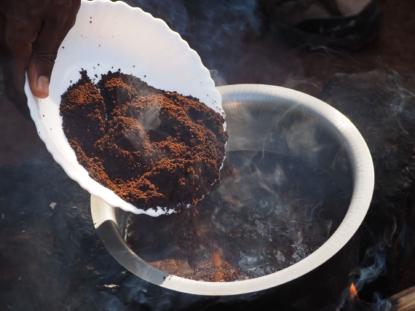
Across the region, cooperatives and women’s groups welcome visitors to see their work, from beadwork and basket-weaving to coffee and banana farming, honey, pottery and weaving. Buying directly here puts money straight into local hands and supports women’s independence.
These visits are often short, genuine and rewarding, showing the everyday economy behind the cultures, and the crafts make far better souvenirs than a shop. The work is skilled and real. The impact is direct. African Safari Trails arranges visits to genuine cooperatives.
How Gorilla Tourism Funds Communities
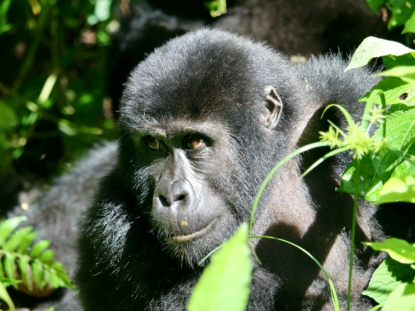
The gorillas of Uganda and Rwanda are a powerful example of tourism funding communities, so much so that gorilla trekking is now as much a conservation story as a wildlife one. A share of every gorilla permit goes to the communities around the parks, paying for schools, clinics, water and roads, which gives local people a stake in protecting the forest and its gorillas.
Community lodges, craft groups and revenue-sharing projects around Bwindi and Volcanoes let visitors see this in action and add to it. The link between gorillas and livelihoods is direct. The model has helped the gorillas recover. African Safari Trails can show you the projects behind the permits.
Community Lodges and Cultural Villages
Some of the best community tourism is built into where you stay. Community-owned or partnered lodges, like Sabyinyo Community Lodge in Rwanda and Il Ngwesi in Kenya, channel profits straight to the local people, while cultural villages and community camps offer a genuine welcome.
Choosing these places means your bed-night itself supports the community, conservation and local jobs, often in beautiful settings beside the parks. The hospitality is warm and proud. The benefit is built in. African Safari Trails can place you in community-owned lodges.
The Batwa Trail
Forest skills, music and story shared by the Batwa themselves in the gorilla mountains of Uganda and Rwanda, proceeds going local.
Community conservancies
Locally owned wildlife areas in Kenya’s north and Laikipia, where tourism funds rangers, schools and clinics.
Bigodi and village walks
Community-run wetland and village walks near the parks, like Bigodi by Kibale, with fees funding local projects.
Cooperatives and lodges
Women’s craft and farming cooperatives and community-owned lodges, where your spending goes straight into local hands.
Visiting Responsibly
Responsible community visits put the community first. Choosing genuine community-run projects over staged shows, buying crafts directly, asking before taking photographs and treating people as hosts and equals all make the difference between tourism that helps and tourism that exploits.
A good operator knows which projects are truly community-led and where the money really goes, and will steer you to them. The aim is benefit and respect, not spectacle. The right choices matter. African Safari Trails works only with genuine community partners.
Combining a Visit with a Safari
Community visits slot easily into a wider trip, since most sit beside the parks you are already visiting. The Batwa pair with gorilla trekking, the Kenyan conservancies with a northern safari, Bigodi with chimps at Kibale, and craft cooperatives with almost any route, usually taking only a few hours.
This lets a safari give back without adding much time, and many travellers find these visits among the most memorable parts of the trip. The human side stays with you. The benefit is lasting. African Safari Trails blends community visits into the itinerary.
Best Time on a Safari for Community Visits
Community visits can be enjoyed year-round, since they depend little on the weather, though the dry seasons make travel and walking easier. They fit naturally alongside the main safari and trekking seasons.
June to October (dry season)
Easy travel and comfortable walking, fitting neatly alongside the peak safari and gorilla trekking season across the region.
December to February (short dry season)
Warm and mostly dry, good for community visits everywhere, with pleasant conditions near the parks and in the villages.
March to May, November (rains)
Greener and quieter, with community visits still easily done, since they depend far less on the weather than wildlife viewing.
Choose genuinely community-led projects, buy and tip directly, and come with an open mind. The whole point of a community visit is that the benefit reaches local people, so ask your operator for projects the community actually owns and runs, not shows staged by a middleman, and ask where the fees go. Buy crafts and produce directly from the makers and tip guides and rangers in person, since that money lands where it should. Treat the visit as an exchange between equals, ask before photographing and follow your guide on local customs. Most visits take only a few hours and fit easily around a safari or gorilla trek, so there is little reason not to include one. African Safari Trails works only with genuine community partners.
Planning a Community Visit Trip
Community visits are built into a wider trip rather than taken alone, near the parks, forests and conservancies on your route. The Batwa sit by the gorilla parks, the community conservancies in Kenya’s north and Laikipia, Bigodi by Kibale, and cooperatives almost everywhere.
The visit and local hosts are arranged through your operator, ideally with genuine community-led partners. A little care ensures the benefit reaches the right hands. The communities do the rest. African Safari Trails builds the right visits into the trip.
Community Visits in East Africa FAQ
What is a community visit?
A community visit centres on a project the local people own and run, a conservancy, cooperative, wetland walk or community lodge, so that tourism funds schools, clinics, conservation and livelihoods directly, going a step beyond simply meeting a culture. African Safari Trails arranges genuine community-led visits.
How is it different from a cultural tour?
A cultural tour focuses on meeting a people and learning their ways, while a community visit centres on a local enterprise and on where your money goes, making tourism a source of income and development. The two often overlap. African Safari Trails can arrange both.
Does the money really reach the community?
With a genuine community-led project, yes, fees, craft purchases and lodge profits go straight to local people, funding rangers, schools and clinics, though it depends on choosing real community partners over staged shows. African Safari Trails works only with genuine ones.
How much do community visits cost?
Most are a modest add-on to a safari, with a community fee or entry charge plus anything you choose to buy or tip, while community-owned lodges are priced as part of your stay. They are built into a wider trip. African Safari Trails includes them in a clear quote.
Can you combine community visits with wildlife?
Yes, easily. The Batwa pair with gorilla trekking, the Kenyan conservancies with a northern safari, Bigodi with chimps at Kibale, and cooperatives with almost any route, most taking only a few hours. African Safari Trails blends them into the wider itinerary.
When is the best time for community visits?
Community visits work year-round, since they depend little on the weather, though the dry seasons make travel and walking easier and fit alongside the main safari and trekking seasons. African Safari Trails times the visits to fit your trip.
Plan Your East Africa Community Visits with African Safari Trails
Finding projects that are genuinely community-owned, making sure your money reaches the right hands and fitting the visits around the wildlife all go more smoothly with someone who works with the communities directly, so your trip quietly builds something rather than just passing through. African Safari Trails has spent years building responsible trips across Kenya, Uganda, Rwanda and Tanzania, with real relationships with the Batwa, the conservancies, the cooperatives and the community lodges. They will tell you straight which projects truly benefit local people, how to fit them around a safari and how to give well, and handle the introductions, hosts and logistics quietly in the background.
Want a proper quote, or just a steer on adding community visits to your trip? Reach out to African Safari Trails and a real person gets back to you.