Cultural tours in East Africa introduce you to the region’s peoples, from the Maasai and Samburu to the Swahili coast, the Chagga and forest communities like the Batwa. African Safari Trails arranges respectful cultural tours across Uganda, Rwanda, Tanzania and Kenya. Meeting the people adds depth to any wildlife trip.
East Africa is as rich in cultures as it is in wildlife. The same region that holds the great parks is home to the cattle-herding Maasai and Samburu, the Swahili towns of the coast, the farming Chagga of Kilimanjaro, hunter-gatherers like the Hadzabe and forest peoples like the Batwa. A cultural tour, done with respect and through the communities themselves, adds a human dimension to a safari that the wildlife alone cannot. African Safari Trails arranges these meetings thoughtfully.
Where to go
Cultural Tours across East Africa.
Why Take a Cultural Tour
A cultural tour rounds out the picture of East Africa. The landscapes and animals are only half the story; the peoples who have lived alongside them for centuries, with their own languages, customs, music and ways of life, are the other half, and meeting them gives a trip real depth.
Done well, through community-run visits rather than staged shows, it is rewarding for visitor and host alike, and the money supports the community directly. It suits curious travellers of every kind. The human side completes the trip. African Safari Trails arranges respectful, genuine visits.
The Maasai of Kenya and Tanzania
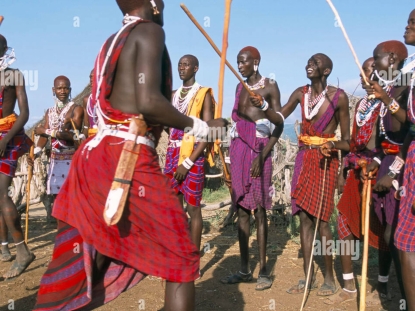
The Maasai are the best-known people of East Africa, cattle-herding pastoralists of the southern Kenyan and northern Tanzanian plains, instantly recognisable in their red shukas and beadwork. A village visit shows their homesteads, cattle culture, beadwork and the famous jumping dance, often near the Mara, Amboseli or Ngorongoro.
Many Maasai communities now run their own visits and conservancies, so a meeting can be genuine rather than staged. They live alongside the wildlife of the great parks. Their culture is strong and living. African Safari Trails arranges community-run Maasai visits.
Samburu and the Northern Peoples
In Kenya’s dry north live the Samburu, close cousins of the Maasai, alongside the Rendille, Borana and Turkana. These proud pastoralist peoples keep cattle, camels and goats in a harsh, beautiful country, with their own dress, songs and the famous singing wells where they water their herds.
A visit here, often through the northern conservancies, feels far from the tourist trail and pairs with Samburu’s special wildlife. The cultures of the north are distinct and striking. The country is wild and remote. African Safari Trails builds northern cultural visits into a trip.
The elders sit in the shade and tell you, through your guide, how the seasons and the cattle have shaped every part of their lives, while the younger men begin a slow, rising chant and one by one leap straight up from the earth, higher and higher, red cloaks flying. Children peer shyly from a doorway, a woman threads beads in the sun, and you realise this is not a performance laid on for you but a living culture briefly opening its door to a guest.
The Swahili Coast
The coast is a world of its own, shaped by a thousand years of Swahili trade between Africa, Arabia, Persia and India. Stone Town in Zanzibar and Lamu in Kenya are living Swahili towns of carved doors, narrow lanes, dhows and spice markets, while Mombasa has its old town and Fort Jesus.
A coastal cultural tour takes in the architecture, food, music and history of this seafaring civilisation, a complete contrast to the pastoralist interior. The Swahili world is deep and distinctive. The towns reward slow wandering. African Safari Trails weaves Swahili culture into a coastal stay.
The Chagga and the Mountain Peoples
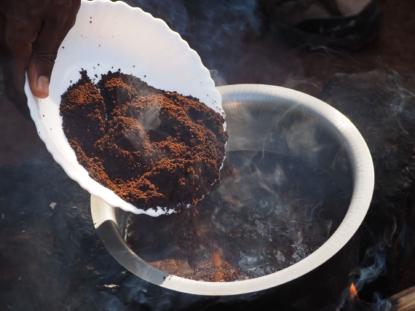
On the slopes of Kilimanjaro live the Chagga, skilled farmers whose banana and coffee gardens climb the mountain. A Chagga cultural tour visits their farms, underground caves once used for refuge, waterfalls and coffee-making, often around Moshi before or after a Kilimanjaro climb.
Other highland farming peoples across the region keep their own traditions on the fertile mountain soils. The Chagga visit pairs naturally with a mountain trip. The farming culture is rich and welcoming. African Safari Trails adds a Chagga tour to a Kilimanjaro trip.
Hunter-Gatherers: the Hadzabe
Near Lake Eyasi in northern Tanzania live the Hadzabe, one of the last true hunter-gatherer peoples on earth, who still live by hunting with bows and gathering wild foods much as their ancestors did. A visit, joining a morning hunt or foraging walk, is a rare window into an ancient way of life.
Nearby, the Datoga people are skilled metalworkers and herders. These visits, handled sensitively, are among the most thought-provoking in the region. The way of life is genuinely ancient. The meeting is humbling. African Safari Trails arranges respectful Hadzabe and Datoga visits.
Forest Peoples: the Batwa
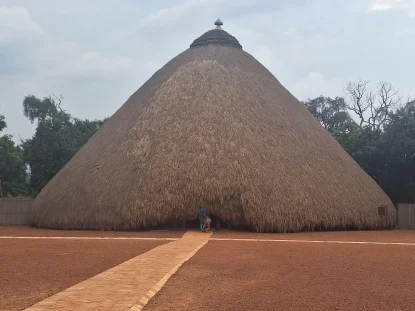
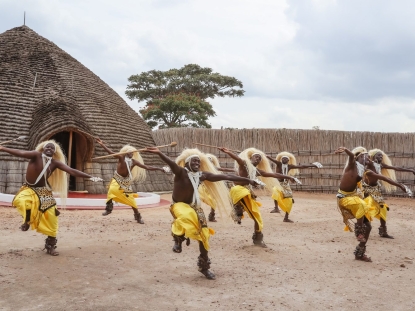
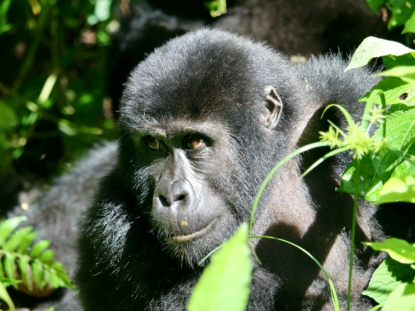
The Batwa, often called the keepers of the forest, are the original forest-dwelling people of the mountains of Uganda, Rwanda and the eastern Congo, who lived in the rainforests now protected for the gorillas. The Batwa Trail in Mgahinga and Batwa visits in Bwindi and Rwanda share their forest skills, music and stories, and pair naturally with gorilla trekking in the same forests.
Led by the Batwa themselves, these visits tell of life in the forest and of the hard transition out of it, and the proceeds support the community. The forest knowledge is striking. The story is a moving one. African Safari Trails arranges Batwa-led visits.
City Tours, Museums and Memorials
The region’s cities and museums tell the wider story. Nairobi has the National Museum and the Karen Blixen house, Bomas of Kenya presents the country’s many peoples, and Kigali’s Genocide Memorial offers a sobering, important account of Rwanda’s recent history and its reconciliation.
These add historical and contemporary depth to the living cultures of the villages and the coast, and make good use of time in the capitals. The museums set the wider context. The memorials are moving and worthwhile. African Safari Trails builds city and museum visits into a trip.
Maasai and Samburu
Cattle-herding peoples of the southern plains and the dry north, with homesteads, beadwork, dance and the singing wells.
The Swahili coast
A thousand years of trade in the old towns of Lamu, Stone Town and Mombasa, with carved doors, dhows and spice markets.
Hadzabe and Chagga
Lake Eyasi’s hunter-gatherers and Kilimanjaro’s farming Chagga, two contrasting ways of life in northern Tanzania.
Forest Batwa
The original forest people of the gorilla mountains, sharing their skills and story on Batwa-led trails in Uganda and Rwanda.
Visiting Respectfully
A good cultural tour is built on respect. The best visits are run by the communities themselves, so the money stays local and the meeting is genuine rather than a staged show, and a good guide briefs you on customs beforehand. Always ask before taking photographs of people.
Dressing modestly, especially in the Muslim coastal towns, buying crafts directly and approaching people as equals rather than subjects all make for a better meeting. The aim is exchange, not spectacle. Respect makes the visit. African Safari Trails chooses community-run visits.
Combining Culture with a Safari Tour
Cultural tours slot easily into a safari. A Maasai visit pairs with the Mara, Amboseli or Ngorongoro; a Chagga tour with a Kilimanjaro climb; the Batwa with gorilla trekking; and the Swahili coast with a beach finish. Most visits take only a few hours.
This lets a wildlife trip gain a human dimension without adding much time, and sits easily alongside the region’s other safari activities and experiences; the contrast between bush, mountain, forest and coast cultures is part of the richness. The two sides deepen each other. The balance suits most travellers. African Safari Trails blends culture into the itinerary.
Best Time for Cultural Tours
Cultural visits can be enjoyed year-round, since they depend little on the weather, though the dry seasons make travel and village visits easier. Some communities hold ceremonies and markets at particular times worth timing for.
June to October (dry season)
Easy travel and comfortable village visits, fitting neatly alongside the peak safari and trekking season across the region.
December to February (short dry season)
Warm and mostly dry, good for cultural visits everywhere, with pleasant conditions on the coast and in the highlands.
March to May, November (rains)
Greener and quieter, with cultural visits still easily done, since they depend far less on the weather than wildlife viewing.
Choose community-run visits, ask before photographing, and dress with respect. The richest cultural meetings are run by the communities themselves rather than staged for tour buses, so ask your operator for genuine, community-led visits where the money stays local. Treat people as hosts and equals, not as a photo opportunity, and always ask, through your guide, before photographing anyone. Dress modestly, especially in the Muslim Swahili towns and in villages, and buy crafts directly from the makers to support them. A good guide will brief you on the customs and language of greeting beforehand, which goes a long way. Most visits take only a few hours and slot easily around a safari. African Safari Trails arranges genuine, respectful visits.
Planning a Cultural Tour
Cultural visits are built into a wider trip rather than taken alone, near the parks, mountains, forests and coast you are already visiting. A Maasai or Samburu visit fits a Kenyan or Tanzanian safari, the Batwa a gorilla trip, the Chagga a Kilimanjaro climb, and the Swahili towns a coastal stay.
The visit and guide are arranged through your operator, ideally with community-run hosts. A little planning ensures the meeting is genuine. The cultures do the rest. African Safari Trails builds the right visits into the trip.
Cultural Tours in East Africa FAQ
Which cultures can you visit in East Africa?
Among many, the Maasai and Samburu of the plains and north, the Swahili of the coast, the Chagga of Kilimanjaro, the Hadzabe hunter-gatherers of Lake Eyasi and the forest Batwa of the gorilla mountains, plus city museums and memorials. African Safari Trails matches the visits to your route.
Are cultural tours genuine or just staged for tourists?
It depends on the operator. The best visits are run by the communities themselves, so the meeting is genuine and the money stays local, rather than a staged show for tour buses. African Safari Trails deliberately chooses community-run, respectful visits.
How much does a cultural tour cost?
Most village and town visits are a modest add-on to a safari, with a community or entry fee, while longer or more remote visits like the Hadzabe cost more for the travel involved. They are built into a wider trip. African Safari Trails includes them in a clear quote.
Can you take photographs?
Usually yes, but always ask first, through your guide, before photographing people, as a matter of basic respect, and some communities prefer no photos or charge a fee. A good guide will explain the local customs. African Safari Trails briefs you on the etiquette beforehand.
Can you combine cultural tours with a safari?
Yes, easily. A Maasai visit pairs with the Mara or Amboseli, the Batwa with gorillas, the Chagga with Kilimanjaro and the Swahili coast with a beach finish, most taking only a few hours. African Safari Trails blends culture into the wider itinerary.
When is the best time for cultural tours?
Cultural visits work year-round, since they depend little on the weather, though the dry seasons make travel easier and some communities hold ceremonies and markets worth timing for. African Safari Trails times the visits to fit your trip and any events.
Plan Your East Africa Cultural Tour with African Safari Trails
Finding genuine, community-run visits, fitting them around the wildlife and treating hosts with the respect they deserve all go more smoothly with someone who knows the region’s peoples and works with the communities directly, so your cultural time is a real meeting rather than a staged show. African Safari Trails has spent years building cultural and wildlife trips across Kenya, Tanzania, Uganda and Rwanda, with relationships with the communities themselves. They will tell you straight which visits are genuine, how to fit them around a safari and how to behave as a good guest, and handle the introductions, guides and logistics quietly in the background.
Want a proper quote, or just a steer on adding cultural visits to your trip? Reach out to African Safari Trails and a real person gets back to you.