Game drives are the heart of a Kenya safari, guided outings in an open-roofed 4×4 across parks and reserves to find lions, elephants, rhino and the rest of the wildlife. African Safari Trails arranges game drives across Kenya, from the Maasai Mara to Amboseli, Tsavo and the north. Morning and afternoon drives, full-day outings and night drives all show the wild in different light.
The game drive is what most people picture when they think of safari: rolling across golden plains in an open vehicle while a guide reads the bush and tracks down lions, elephants and herds. Kenya does this as well as anywhere on earth, and a game drive tops the list of things to do in Kenya, across parks and reserves from the cat-rich Maasai Mara to the elephants of Amboseli and the red dust of Tsavo. African Safari Trails builds the drives, vehicles and guides into a smooth, well-paced trip.
What a Game Drive in Kenya Is Like
A game drive is a guided outing in a safari vehicle, usually a 4×4 with a pop-up roof, that sets out to find and watch wildlife in its own country, whether in Kenya or on a wider East Africa game drive. A skilled guide reads tracks, alarm calls and the behaviour of the animals, and a radio network shared between guides helps the whole area find the best sightings.
Drives run on the park’s own rhythm, early and late when animals are most active, at a gentle pace with plenty of stops. You stand to scan, sit to watch and let the guide do the finding. No two drives are alike. African Safari Trails matches you with guides who know each park.
Morning, Afternoon and Full-Day Game Drives
Most safaris build around two game drives a day. The morning drive leaves at first light when predators are still active and the air is cool, often the most productive window, while the afternoon drive runs into the golden hour and sunset, good for cats on the move and fine photography.
A full-day drive with a picnic lunch lets you range farther, reach distant corners and stay out through the quiet middle hours when a sighting can come unexpectedly. The choice depends on the park and your pace. Each window has its own mood. African Safari Trails plans the drives around the best light and wildlife.
Night Drives and Walking Safaris
Beyond the standard drives, private conservancies open up experiences the national parks do not allow. Night drives, run with a spotlight after dark, reveal a different cast, leopard, genet, bushbaby, aardvark and hunting cats, while guided walking safaris let you read tracks, plants and small life on foot with an armed ranger.
These work because conservancies set their own rules, unlike the strict daytime, stay-in-vehicle regime of the parks. Both add real depth to a wildlife trip. They show the bush from a new angle. African Safari Trails builds night drives and walks into conservancy stays.
The best moments on a game drive are rarely the ones you plan. You set out for lions and find a leopard draped along a sausage tree, or you pause for a dazzle of zebra and notice the cheetah watching them from a termite mound. The guide cuts the engine, and for a long while there is only the wind in the grass, the birdsong, and an animal going about its life as if your vehicle were just another part of the plain.
Where to Go: Kenya’s Top Parks for Game Drives
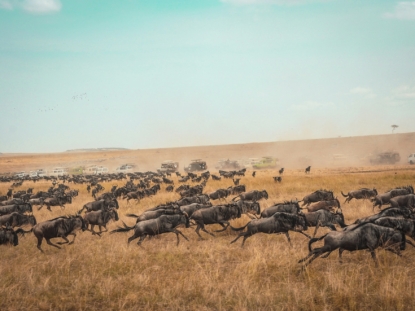
Kenya’s parks each offer a different game drive. The Maasai Mara is the country’s big-cat capital and the stage for the great migration, Amboseli puts elephants against Mount Kilimanjaro, and the vast Tsavo parks deliver red elephants and space without the crowds.
Lake Nakuru is the place for rhino, Samburu and the north add dry-country specials like the reticulated giraffe and Grevy’s zebra, and Meru offers wild, uncrowded bush. A classic trip strings two or three together. Variety is Kenya’s great strength. African Safari Trails builds the right circuit for what you want to see.
Wildlife You Might See
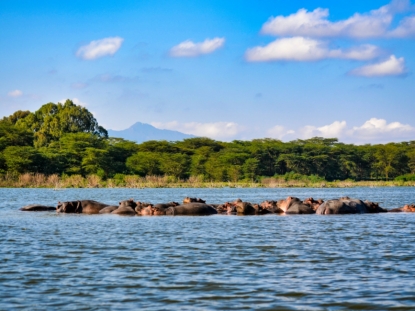
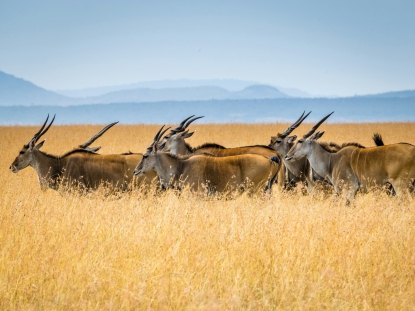
The headline draw is the Big Five, lion, leopard, elephant, buffalo and rhino, though no single park holds all five easily and sightings always depend on luck. Cheetah, giraffe, zebra, hippo, hyena and a great range of antelope fill out the cast, with crocodile along the rivers.
The plains also teem with smaller life, from bat-eared foxes and mongooses to hundreds of bird species that reward anyone who looks closely. A good guide turns a list of animals into stories of behaviour. Patience is always repaid. African Safari Trails pairs you with guides who find the wildlife and explain it.
Private Conservancies and Off-Road Drives
Alongside the national parks and reserves, Kenya has a growing network of private conservancies, community-owned land bordering the main parks where wildlife roams freely. These limit vehicle numbers, so sightings are quiet and uncrowded, and they allow off-road driving, night drives and walking that the parks do not.
Staying in a conservancy means fewer vehicles at a sighting and a more exclusive feel, often with the same wildlife as the neighbouring park. They suit travellers wanting space and flexibility. The trade-off is usually a higher rate. African Safari Trails can weave a conservancy into the trip.
The Vehicles and Guides
Most game drives use a 4×4 with a pop-up roof that lets everyone stand and see, the safari minivan being the budget alternative on smoother roads. A window seat for all is the goal, which is why a private vehicle is worth it for keen photographers or families.
The guide makes or breaks a drive, reading the bush, knowing the animals and working the radio network, so an experienced driver-guide is the single best thing money buys on safari. The vehicle is the tool, the guide is the skill. Good guiding lifts the whole trip. African Safari Trails fields knowledgeable, vetted guides.
Maasai Mara
Kenya’s big-cat capital and the home of the great migration, with lion, cheetah and leopard across open plains.
Amboseli and Tsavo
Amboseli for elephants below Kilimanjaro, the vast Tsavo parks for red elephants and uncrowded space.
Nakuru and the north
Lake Nakuru for rhino, Samburu and the north for reticulated giraffe, Grevy’s zebra and other dry-country specials.
Conservancy drives
Private conservancies for quiet, uncrowded sightings plus off-road driving, night drives and walking the parks do not allow.
Best Time for Game Drives in Kenya
Game drives are good year-round, but the dry seasons make spotting easiest, when thinner grass and gathered wildlife improve the odds. The green season brings birds, newborns and lower rates.
July to October (dry season)
Peak game viewing, with the migration in the Maasai Mara, thin grass and wildlife gathered at water, though the parks are busier.
December to March (short dry season)
Warm, mostly dry and excellent for big cats and general game, with calving in some areas and fewer crowds than the mid-year peak.
April to May, November (rains)
Green, quiet and best for birds and newborns, with lower rates, though tall grass and wet tracks make some wildlife harder to find.
Go early, invest in the guide, and pack for cold mornings and dust. The first hour after dawn is the most productive part of any game drive, so set out at first light rather than after a leisurely breakfast, and consider a full-day drive with a picnic when the park is large. The single best upgrade on safari is usually an experienced private guide and vehicle rather than a fancier room, since good guiding finds far more wildlife. Bring warm layers for the chilly early start, neutral clothing, binoculars and a dust-proof bag for cameras, and keep voices low and movements slow at sightings. African Safari Trails sorts the vehicle, guide and timing.
Game Drive Tips and Etiquette
A few habits make game drives better for everyone. Stay in the vehicle except at marked spots, keep quiet near animals, never ask the guide to chase or crowd wildlife, and give predators room, especially around a kill or with young.
In the national parks, drives run within gate hours and stick to the tracks, with off-road allowed only in conservancies, so respect the rules that keep the wildlife wild. Patience beats pressure every time. Good etiquette protects the experience. African Safari Trails briefs you and works only with responsible guides.
Game Drives in Kenya FAQ
How much does a game drive in Kenya cost?
Game drives are usually built into a safari package rather than priced singly, with the cost depending on the park entry fees, the vehicle and whether it is shared or private. Park fees range from modest at parks like Hell’s Gate to around 80 to 100 US dollars a day at premium parks. A private vehicle costs more but is worth it for many. African Safari Trails gives a clear, all-in quote.
How long is a typical game drive?
A morning or afternoon game drive usually runs three to four hours, while a full-day drive with a picnic lunch can last most of the day. Many safaris do two drives daily, in the early morning and late afternoon when wildlife is most active. African Safari Trails plans the drives around each park and your pace.
Can you self-drive in Kenya’s parks?
You can in some parks, but a guided game drive finds far more wildlife, since an experienced guide reads the bush and shares a radio network with other guides. Self-driving also means navigating, watching for animals and managing the rules alone. For most visitors a guide is well worth it. African Safari Trails provides the vehicle and guide.
Are game drives suitable for children?
Yes, with planning. Many lodges and a private vehicle make drives work well for families, allowing flexible timing and breaks, though some camps set minimum ages. Shorter drives and the more compact parks suit younger children best. African Safari Trails builds family-friendly drives and pacing into a trip.
What should you bring on a game drive?
Bring warm layers for the cold early start, neutral-coloured clothing, a hat, sunscreen, binoculars, a camera with a dust-proof bag and plenty of water. Mornings are chilly and the middle of the day hot, so dress in layers. African Safari Trails sends a full packing list when you book.
When is the best time for game drives in Kenya?
The dry seasons from July to October and December to March give the easiest game viewing, with the migration in the Mara during the former, while the green months bring birds and newborns but harder spotting. Wildlife can be seen year-round. African Safari Trails times your safari for the best viewing.
Plan Your Kenya Game Drives with African Safari Trails
Choosing the right parks, securing an experienced guide and vehicle, timing drives for the best light and wildlife, and deciding when a conservancy is worth it all go more smoothly with someone who builds Kenya safaris for a living, so your drives turn up the wildlife rather than empty plains. African Safari Trails has spent years pairing travellers with guides who read the bush by instinct rather than a brochure, across every major Kenyan park and reserve. They will tell you straight which circuit suits what you want to see, how many days to give it and where a private vehicle pays off, and handle the park fees, vehicles and transfers quietly in the background.
Want a proper quote, or just a steer on planning your game drives? Reach out to African Safari Trails and a real person gets back to you.