Whale watching in Kenya means humpback whales migrating along the Indian Ocean coast between July and October, seen on boat trips from Watamu, Diani and the wider coast. African Safari Trails arranges Kenya whale watching trips in season, timed to the humpback migration. Whale sharks, dolphins and turtles add to the marine life offshore.
Few people picture whales when they think of Kenya, yet each year humpback whales travel thousands of kilometres up the East African coast to breed and calve in its warm tropical waters. Between July and October they pass close to the Kenyan shore, breaching and singing, and a growing number of boat trips out of Watamu and Diani take visitors to see them. It is a young, low-key alternative to the famous land safari. African Safari Trails arranges whale watching trips timed to the season.
Why Go Whale Watching in Kenya
Whale watching adds a rare marine dimension to a Kenya trip. Seeing a forty-tonne humpback breach clear of the water, or hearing one sing through a hydrophone, is a different kind of wildlife thrill from a game drive, and far fewer travellers know it is possible here.
It pairs naturally with a beach holiday or a coastal extension after safari, and supports a young conservation-led industry that gives coastal fishermen an alternative income. The whales are wild and free-ranging, so it feels genuine. The novelty is part of the appeal. African Safari Trails builds whale watching into a coastal trip.
The Humpback Whale Migration
The whales you see are humpbacks on one of the great migrations of the sea. Each year they travel up the coast of East Africa from the cold feeding grounds of the Antarctic to the warm waters off Kenya, Tanzania and Mozambique, where they breed and give birth before returning south.
The mothers nurse their newborn calves in the warm shallows, and the adults breach, slap and sing as part of their behaviour, making them among the most active whales to watch. The trip covers several thousand kilometres each way. It is a true natural spectacle. African Safari Trails explains the migration and times your trip around it.
When to Go Whale Watching
The humpback season on the Kenyan coast runs from around July to October, when the whales pass through on their migration. The peak is usually August into September, occasionally beginning in late June and tailing off in October as the whales head back south.
This overlaps neatly with the mid-year dry season and the Maasai Mara migration, so a bush-and-beach trip in those months can take in both. The exact timing shifts a little year to year. Going in peak season raises your chances. African Safari Trails times a coastal stay to the whale season.
The first sign is a distant puff of spray on the horizon, then a dark back rolling through the swell, and then, if you are lucky, the whole forty-tonne animal launches itself clear of the sea and crashes back in an explosion of white water. Through the hydrophone you can hear them singing, long looping calls carrying for miles through the blue, while a mother and her calf surface quietly beside the boat as if to take a look at you.
Watamu, Diani and the Best Spots
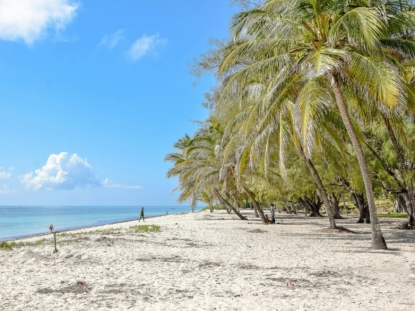
Watamu, on the central coast, is the heart of Kenya’s whale watching, where the whales congregate most and where the research and the first tours began. In peak August they can sometimes be seen from the shore, from the bars and beaches facing the marine park.
Diani, on the south coast, also runs an established whale watching operation, and the whales pass Kilifi, Lamu and Shimoni too. Watamu and Diani are the two main bases for trips. Both put you among the best of it. African Safari Trails books trips from the right base for your stay.
What a Whale Watching Trip Is Like
A whale watching trip heads out by boat in the morning, when the sea is usually calmest, with a guide and often a hydrophone to listen for whale song below the surface. The boats keep a respectful distance and let the whales approach on their own terms.
Trips usually last a couple of hours, and good operators may offer a second attempt if the whales prove shy, since sightings are never guaranteed. You may also see dolphins, turtles and seabirds along the way. The sea can be choppy, so come prepared. African Safari Trails books reputable, well-run trips.
Whale Sharks and Other Marine Life
The whales share the season with other giants. Whale sharks, the largest fish in the sea and harmless plankton-feeders, begin to appear off the coast around October and into the new year, and some October trips have met both humpbacks and whale sharks on the same outing.
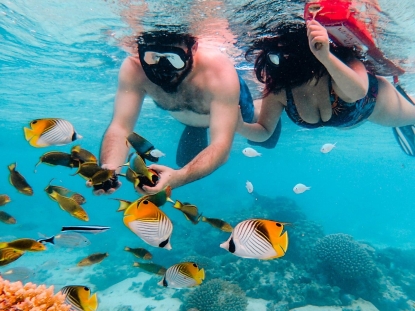
Dolphins, several species of them, turtles and rays round out the marine life, and the Watamu area alone has recorded around ten species of whale and dolphin. The ocean here is richer than most visitors expect. There is always something to see. African Safari Trails can arrange whale shark trips in their season.
Responsible Whale Watching
Whale watching in Kenya is tied to conservation. Marine mammals are protected by law, and the local marine associations and research networks set guidelines for how boats should behave, keeping their distance, limiting numbers and never chasing or crowding the animals.
Choosing an operator that follows these rules protects the whales and supports the science that tracks them, while giving fishermen a reason to value living whales over nets. Responsible viewing keeps the experience sustainable. The animals always come first. African Safari Trails uses operators who follow the guidelines.
Combining Whales with a Safari
Whale watching fits beautifully into a wider Kenya trip. The July-to-October whale season coincides with the best of the safari calendar, so a few days chasing the Great Migration in the Maasai Mara or Amboseli followed by the coast can pair the migration on land with the whales at sea.
Tsavo East lies only a few hours from the Watamu coast by road, making a bush-and-whales combination especially easy. The timing lines up almost perfectly. It is the best of both worlds. African Safari Trails builds the whales into a full safari-and-coast trip.
Humpback season
Humpback whales pass the Kenyan coast from July to October, peaking in August and September, breaching and singing on their migration.
Watamu and Diani
The two main whale watching bases, with Watamu the heart of it, sometimes offering sightings even from the shore in peak August.
Whale sharks too
The largest fish in the sea, harmless filter-feeders, appear from October into the new year, sometimes alongside the last humpbacks.
Conservation-led
A young, research-backed industry with guidelines that protect the whales and give coastal fishermen an alternative livelihood.
Best Time for a Whale Watching Trip
The whale season is fixed by the humpback migration, so timing is everything for whale watching, unlike most coastal activities that run year-round. The mid-year months are the window.
July to October (humpback season)
The whale watching window, with humpbacks passing the coast, peaking in August and September, overlapping the mid-year dry season and the Mara migration.
October to February (whale sharks)
Whale sharks appear off the coast, with the earliest October trips sometimes catching both them and the last humpbacks together.
Rest of the year
No humpbacks, but the coast still offers dolphins, turtles, snorkelling and diving, so a beach stay is rewarding in any month.
Go in peak season, head out early, and be ready for an empty sea as well as a full one. Whale watching depends entirely on the humpback migration, so plan a coastal stay for the July-to-October window and ideally August or September for the best chance. Trips leave early when the sea is calmest, so expect a dawn start, and take seasickness precautions if you are prone, since the open water can be choppy. Sightings are never guaranteed, even in peak season, so treat a sighting as a gift rather than a certainty, and choose an operator who offers a second attempt and keeps a respectful distance from the animals. A pair of binoculars and a long lens help. African Safari Trails books the trip and times your stay.
Getting There and Planning
The whale watching coast is reached through the coastal airports, with Watamu served from Malindi and Diani having its own airstrip, all a short flight from Nairobi or the safari areas. The boat operators collect you from your beach hotel for an early start.
A whale watching trip is booked as an add-on to a coastal stay or a wider Kenya safari rather than a stand-alone visit, and a flexible morning or two in season allows for weather and shy whales. A little planning makes it smooth. The season is the main thing to get right. African Safari Trails arranges the flights, beach stay and trips.
Whale Watching in Kenya FAQ
When is the best time for whale watching in Kenya?
The humpback season runs from around July to October, peaking in August and September, when the whales pass the coast on their migration. The timing shifts a little each year and can start in late June. Whale sharks then appear from October. African Safari Trails times a coastal stay to the season.
Where can you go whale watching in Kenya?
Watamu on the central coast is the heart of it, with the most whales and the longest-running trips, while Diani on the south coast also has an established operation, and the whales pass Kilifi, Lamu and Shimoni too. African Safari Trails books trips from the right base for your stay.
Are whale sightings guaranteed?
No. The whales are wild and free-ranging, so sightings are never guaranteed even in peak season, though the odds are good in August and September. Good operators often offer a second attempt if the first trip comes up empty. African Safari Trails sets honest expectations and chooses operators who try hard.
How much does a whale watching trip cost?
A whale watching trip is usually priced per person for a boat outing of a couple of hours, with the exact cost depending on the operator and whether snorkelling or refreshments are included. It is booked as an add-on to a beach stay. African Safari Trails includes the current price in a clear quote.
Can you see whale sharks as well?
Yes, in their season. Whale sharks, the largest fish in the sea and harmless filter-feeders, appear off the coast from around October into the new year, and the earliest October trips sometimes meet both them and the last humpback whales. African Safari Trails can arrange whale shark trips in season.
Can you combine whale watching with a safari?
Yes, and the timing is ideal. The July-to-October whale season overlaps the best safari months and the Mara migration, so a few days inland followed by the coast works perfectly, with Tsavo East only a few hours from Watamu. African Safari Trails builds the whales into a full safari-and-coast trip.
Plan Your Kenya Whale Watching Trip with African Safari Trails
Timing a coastal stay to the humpback season, choosing a base and an operator that watches responsibly, and pairing the whales with a land safari all go more smoothly with someone who knows the Kenya coast, so you are on the water in the right place at the right time rather than a month too late. African Safari Trails has spent years building bush-and-coast trips and knows how the whale season runs alongside the safari calendar. They will tell you straight when and where to go, what your chances are and how to fit the whales around the parks, and handle the flights, beach stay and trips quietly in the background.
Want a proper quote, or just a steer on timing a whale watching trip? Reach out to African Safari Trails and a real person gets back to you.