Ugalla River National Park is a remote miombo and floodplain park in west-central Tanzania, known for the largest sable and roan antelope herds in the country and huge crocodiles on the Ugalla River. African Safari Trails arranges Ugalla River safaris with game drives, walking safaris, boat trips and birding, reached by charter flight or road from Tabora. Covering about 3,865 square kilometres, it is one of Tanzania’s national parks and its least-visited, a true wilderness.
Ugalla River is about as wild and empty as a safari gets, a remote sweep of miombo woodland, grassy floodplain and slow river in west-central Tanzania that sees only a handful of visitors a year. Gazetted in 2019 from an old game reserve, it holds the largest sable and roan antelope herds in the country, some of the biggest crocodiles ever recorded in Africa, and birdlife to match. There are no crowds, almost no camps, and a deep sense of true wilderness. African Safari Trails handles the remote logistics.
Why an Ugalla River Safari Stands Out
An Ugalla River safari stands out for being Tanzania’s least-visited park, around 3,865 square kilometres of miombo woodland, tall-grass savanna and river floodplain in the remote west-central reaches. Gazetted in 2019 from the old Ugalla River Game Reserve and forest reserve, it sees only a handful of visitors a year, so the wilderness here is the real thing.
The draw is solitude and unusual wildlife: the country’s largest sable and roan herds, huge crocodiles, and a high density of predators returning since the shift from a hunting area to a photographic park. The Ugalla River is its lifeline. African Safari Trails builds Ugalla in for travellers chasing true off-the-map wilderness.
Sable, Roan and the Game Drive Safari
A game drive safari in Ugalla works the river banks, oxbows, sandbanks and the miombo woodlands inland, with termite mounds breaking the flat country and serving as lookouts for predators. The headline draw is antelope: Ugalla holds the largest herds of sable and roan in Tanzania, with good chances of both.
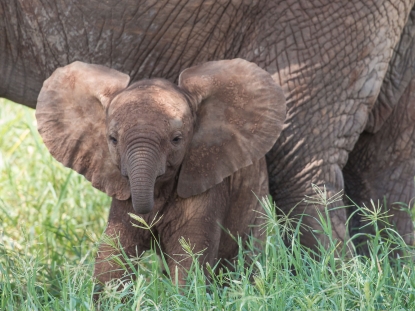
Alongside them roam elephant, buffalo, giraffe, zebra, Lichtenstein’s hartebeest, greater kudu, eland, topi and oribi, with a strong predator cast of lion, leopard and hyena and even wild dog. The sable are fairly approachable, the roan shyer. African Safari Trails plans drives to reach the sable and roan country.
Ugalla River is the park the crowds never reach. Only a handful of visitors a year make it to this remote corner of west-central Tanzania, where the largest sable and roan herds in the country move through the miombo, and some of the biggest crocodiles ever recorded in Africa lie along the river. This is wilderness in its oldest sense, vast, quiet, and almost entirely your own.
The Ugalla River and Its Crocodiles
The Ugalla River gives the park its name and its life, a slow, meandering river that in the dry season is the only permanent water for miles, drawing wildlife to its banks and feeding the grassy floodplains dotted with fan palms. It flows west into the Moyowosi Swamps and on toward Lake Tanganyika.
The river holds plenty of hippo and crocodile, and indeed Ugalla is reputed to have some of the largest crocodiles ever recorded in Africa, with old giants of exceptional size. Cape clawless otters work the quieter stretches. The river is the park’s beating heart. African Safari Trails plans riverside drives and stops along the banks.
Boat Safaris and Sport Fishing
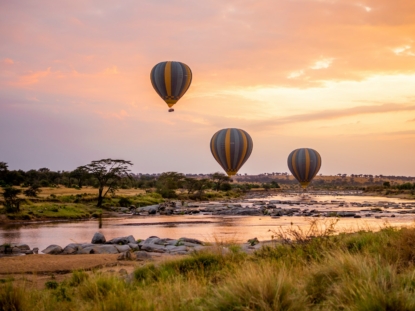
A boat safari on the Ugalla River is a fine, peaceful way to take in the park, gliding past hippos and basking crocodiles with game coming down to drink and birds working the banks, best in the soft light of early morning or late afternoon. The river offers a different angle on the wilderness from a drive.
Sport fishing is a draw too, done on a catch-and-release basis with a guide, with tilapia and catfish the common catch, and the fishing doubles as a way to watch the riverbank wildlife. Both make good use of the river. African Safari Trails arranges the boat safaris and fishing.
Game drives
Drives along the river, oxbows and sandbanks and through the miombo for the country’s largest sable and roan herds, plus elephant and predators.
Ugalla River boat safari
A cruise past hippos and some of Africa’s largest crocodiles, with game and birds along the banks.
Walking safaris
Ranger-guided walks through miombo and floodplain, including seasonal expedition-style walking camps.
Birding and honey harvesting
Over 400 bird species including the shoebill, plus a rare hands-on honey-harvesting experience in the woodlands.
Walking Safaris in the Miombo
Ugalla is one of Tanzania’s finest walking safari parks, its emptiness and space making on-foot exploration genuinely wild, with ranger-guided walks through the miombo woodland, along the river and across the floodplain. Some operators run seasonal expedition-style walking camps here in the dry months.
On foot you read tracks and spoor, learn the trees and smaller life, and feel the bush in a way no vehicle allows, with groves of huge trees along the banks making fine spots to rest or picnic. The remoteness gives the walks rare intensity. African Safari Trails arranges guided walking safaris and any seasonal walking camp.
Bird Watching Along the Ugalla
Bird watching in Ugalla is rich, with over 400 species recorded across the river, swamps, floodplain and miombo. The wetlands and swampy western stretches hold prizes like the shoebill stork, wattled crane and pygmy geese, alongside the African fish eagle, southern ground hornbill, tawny eagle and colourful kingfishers.
The wet season fills the wetlands and brings migrants, making it a strong birding window, while the river fringes reward time at any season. Birding folds naturally into a drive, walk or boat trip here. African Safari Trails can pair you with a birding guide for the river and wetland species.
Honey Harvesting and Local Tradition
One activity sets Ugalla apart from other Tanzanian parks: honey harvesting. The vast miombo woodlands are rich in bees, and the area has a long tradition of honey gathering, which the park offers visitors as a hands-on, cultural experience among the trees rather than just a wildlife outing.
Joining a honey-gathering walk gives a window into the local way of life and the woodland ecosystem at once, a genuinely unusual addition to a safari. It reflects the park’s roots as a place long used lightly by local people. African Safari Trails can add a honey-harvesting experience to your days.
Best Time for an Ugalla River Safari
Ugalla is at its best in the dry season, when wildlife concentrates along the river and the roads are passable, while the rains bring fine birding but largely cut off road access. The river is the key to the dry-season wildlife.
June to October (dry season)
By far the best for wildlife, as animals gather along the Ugalla River, and the only reliable window for road access and walking safaris.
January to April (heavy rains)
Fine for birding, with full wetlands and migrants, but most roads turn impassable, so access is largely by air or not at all.
Year-round by air
Charter flights can reach Ugalla at most times, but the dry-season airstrips and tracks make June to October the practical season.
Come for true wilderness, travel light and plan around the dry season. Ugalla is Tanzania’s least-visited park, with no permanent safari camps and only seasonal walking camps and fly-camping, so this is a trip for adventurous travellers happy to rough it for genuine solitude. Road access works only in the dry season from June to October, with charter flights the surest way in, so plan and book well ahead. It pairs with the western and southern circuits near
Katavi and
Mahale. African Safari Trails arranges the flights, camping and wider circuit.
Getting to Ugalla River National Park
Ugalla lies in west-central Tanzania’s Tabora region and is reached by air, road or rail. Charter flights are the surest way, landing at airstrips such as Ugalla, Muhuba or Siri, usable mainly in the dry season. By road, a 4WD reaches the park from Tabora town in the dry months, roughly four to five hours.
The railway also serves the region, with lines through Tabora that add to the adventure, and the park sits among the wider Kigosi, Katavi, Mahale and Ruaha wilderness. The going is remote and seasonal. African Safari Trails arranges the charter flights or the dry-season road transfer.
Ugalla River National Park Safari FAQ
How much does it cost to enter Ugalla River National Park?
As a remote, little-visited park, Ugalla charges modest fees, in the region of 20 to 30 US dollars per adult per 24 hour period plus 18 percent VAT for foreign non-residents, with East African citizens and residents paying lower rates. The larger costs are the charter flights and camping. Fees can change, so confirm before travelling. African Safari Trails checks the current rates and builds a full quote.
What wildlife can I see in Ugalla River?
Ugalla is best known for the largest sable and roan antelope herds in Tanzania, alongside elephant, buffalo, giraffe, zebra, Lichtenstein’s hartebeest, greater kudu and topi, with lion, leopard, hyena and wild dog among the predators. The river holds hippos and some of Africa’s largest crocodiles, and the swampy west holds shy sitatunga. African Safari Trails plans drives to reach the sable and roan.
How do I get to Ugalla River?
By air, road or rail to the remote Tabora region. Charter flights to airstrips such as Ugalla, Muhuba or Siri are the surest way and usable mainly in the dry season, while a 4WD reaches the park from Tabora in roughly four to five hours in the dry months. Rail also serves the region. African Safari Trails arranges the charter flights or dry-season road transfer.
Is there accommodation in the park?
Very little. Ugalla has no permanent safari camps, offering only seasonal expedition-style walking camps and fly-camping, so it suits adventurous travellers happy to camp for genuine wilderness. The remoteness is part of the appeal. African Safari Trails arranges the seasonal camp or fly-camping for your visit.
What makes Ugalla different from other parks?
Ugalla is Tanzania’s least-visited park, with the country’s largest sable and roan herds, some of Africa’s largest crocodiles, a high predator density and a rare honey-harvesting experience rooted in local tradition, all in true, near-empty wilderness. It is for solitude and the unusual rather than easy big-game numbers. African Safari Trails sets honest expectations for what it offers.
When is the best time to visit Ugalla River?
The dry season from June to October is by far the best, when wildlife gathers along the Ugalla River and roads and airstrips are usable, while the heavy rains of January to April bring fine birding but largely cut off road access. African Safari Trails times your visit for the dry-season wildlife and access.
Plan Your Ugalla River Safari with African Safari Trails
Reaching this far-flung park, arranging seasonal camps or fly-camping, and timing it for the dry-season wildlife all go more smoothly with someone who knows the western wilderness, so the effort of getting there turns into the reward of true solitude. African Safari Trails has spent years building off-the-beaten-track trips, with guides who know the Ugalla River, its sable and roan herds and its birds by instinct rather than a brochure. They will tell you straight what a remote, basic safari involves and how to reach it, and shape the days around the river, the wildlife and the quiet, with the flights and camping handled in the background.
Want a proper quote, or just a steer on adding Ugalla to a western circuit? Reach out to African Safari Trails and a real person gets back to you.