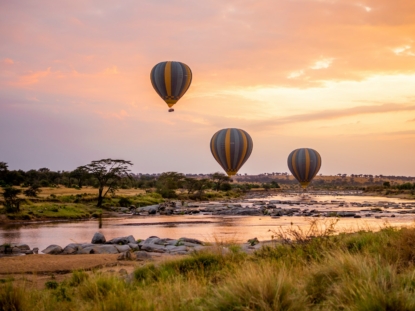
Katavi National Park is a vast, remote wilderness in western Tanzania famous for huge buffalo herds, the densest hippo and crocodile gatherings in the country, and almost no other visitors. African Safari Trails arranges Katavi safaris with game drives, walking safaris and the fly-in from Arusha or Dar es Salaam. Covering around 4,471 square kilometres on the western circuit, it offers one of the wildest, most exclusive safaris left in Africa.
Katavi is the park serious safari-goers whisper about. Tucked away in the far west, it sees only a trickle of visitors a year, which means you can spend a day in country thick with game and not pass another vehicle. In the dry season the Katuma River draws thousand-strong buffalo herds, vast lion prides and hippo pools crammed to bursting. Getting here takes a flight and some commitment. African Safari Trails handles the logistics and the camps.
Why a Katavi National Park Safari Stands Out
A Katavi safari stands out for sheer wilderness and the near-total absence of crowds, across roughly 4,471 square kilometres of floodplain, river and miombo woodland in western Tanzania’s Rukwa Rift. As the country’s third-largest park yet one of its least visited, it delivers game densities that rival the famous parks with none of the vehicles.
Only a handful of small camps operate here, so the experience is intimate and genuinely remote, the kind of safari that feels like stepping back a century. It anchors the western circuit alongside the Mahale Mountains. African Safari Trails builds a Katavi safari for travellers who want the wild over the easy.
The Katuma River and Game Drive Safaris
The Katavi game drive safari revolves around the Katuma River and the Katisunga plains at the park’s heart, where the dry season concentrates wildlife in staggering numbers. As the seasonal lakes and swamps shrink, the river becomes the only water for miles, and the game funnels down from the surrounding hills to drink.
The result is game drives few places can match, with huge herds of buffalo and elephant, lion prides on the plains, and the chance of leopard, cheetah and wild dog, all watched in near-total solitude. Night drives are not permitted here. African Safari Trails plans drives around the river and the plains where the game gathers.
By the end of the dry season the Katuma River is little more than a muddy trickle, and the wildlife it holds is hard to believe. Hundreds of hippos crush into the last pools, crocodiles dig caves into the banks, thousand-strong buffalo herds churn the dust, and the lions barely have to hunt. And you watch it all alone.
Buffalo Herds, Lions and Predator Action
Katavi is one of the last parks with truly massive buffalo herds, sometimes a thousand or more animals moving together, and where there is that much buffalo there are lions. The park’s prides are large and active, and the dry-season clashes between lions and buffalo along the Katuma are the stuff of wildlife documentaries.
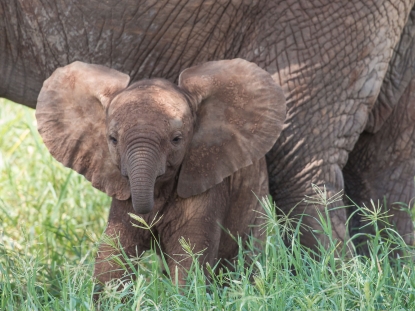
Around 4,000 elephants range the park, with leopard, spotted hyena, cheetah and the endangered African wild dog adding to the predator cast. The concentration of game in the dry months guarantees action, though sightings are never promised. African Safari Trails works with guides who know the prides and the herds.
Hippo Pools and Crocodile Caves
Katavi holds the densest hippo and crocodile populations in Tanzania, and the dry-season spectacle is unlike anywhere else. As the water vanishes, up to a couple of hundred hippos pack into a single shrinking pool, the crush triggering violent territorial fights between the males, a raw, noisy sight you will not forget.
The crocodiles do something stranger still, digging caves into the riverbanks to escape the heat, where they lie up in numbers, sometimes side by side with the hippos in an uneasy truce. These gatherings peak late in the dry season. They are the park’s signature. African Safari Trails times a visit for the height of the hippo and crocodile drama.
Game drives
Unhurried 4×4 drives along the Katuma River and Katisunga plains, with buffalo, lion, elephant and near-total solitude.
Hippo and crocodile pools
Tanzania’s densest gatherings, with up to 200 hippos in a single pool and crocodiles denning in the riverbanks late in the dry season.
Walking safaris
Guided walks with an armed ranger, plus fly-camping nights under the stars at some camps, a true wilderness experience.
Rare antelope and birds
Both sable and roan antelope on the Katisunga plains, plus over 400 bird species along the river and lakes.
Walking Safaris and Fly-Camping
A walking safari in Katavi is a highlight, since the park’s wildness and emptiness make exploring on foot with an armed ranger genuinely special, often along Lake Katavi’s seasonal floodplain among grazing game. On foot the scale and silence of the place come through in a way no drive matches.
Some camps build on this with fly-camping trips, spending a night out under the stars in a simple bush camp far from the main lodge, about as close to old-school safari as it gets. These walking and camping options suit adventurous, experienced travellers. African Safari Trails arranges walking safaris and fly-camping with the right camps.
Wildlife and Bird Watching in Katavi
Beyond the headline herds, a Katavi safari turns up an unusual range, with both sable and roan antelope on the Katisunga plains, a rare pairing, alongside giraffe, zebra, topi, eland, hartebeest, defassa waterbuck, impala and reedbuck. The mix reflects the park’s position between ecosystems.
Bird watching is rewarding too, with over 400 species along the rivers and lakes, including open-billed, saddle-billed and other storks, golden orioles and paradise flycatchers, richest when the wet season fills the floodplains. African Safari Trails can pair you with a guide who covers the game and the birds.
Best Time for a Katavi Safari
Katavi is a classic dry-season park, at its astonishing best as the water dries up and the game concentrates, while the wet season floods the plains into a green, bird-rich but harder-to-watch wilderness. Most camps run in the dry months.
June to October (dry season)
The peak, and the reason to come, with wildlife packed along the shrinking Katuma River and the hippo pools at their most dramatic. July to October is best.
Late December to early March
A greener window that can still reward, with green scenery and good sightings between the rains, and very few visitors.
April and May (long rains)
The wettest months, when the plains flood, access is hardest and most camps close, so the park is little visited then.
Come in the dry season, allow three or four nights, and combine with Mahale. Katavi rewards the dry months above all, when the game concentrates along the Katuma, so aim for July to October and give it at least three or four nights to justify the trip and settle into its rhythm. The classic pairing is a fly-in loop with the Mahale Mountains for chimpanzees, the two remote parks making the finest week on Tanzania’s western circuit. African Safari Trails builds the Katavi and Mahale combination.
Getting to Katavi National Park
Katavi lies deep in western Tanzania and is reached almost entirely by air, with scheduled and charter light-aircraft flights from Arusha, Dar es Salaam or Ruaha, often on a route that links Katavi with the Mahale Mountains. It sits among the wilder of Tanzania’s national parks. The flight is long but spares an extremely tough overland trip.
Driving is possible only for the hardy, a rough multi-day run from Mbeya or, in the dry season, Kigoma, or by rail to Mpanda and onward. For almost all visitors, flying in is the sensible choice. African Safari Trails arranges the flights and the western-circuit logistics end to end.
Katavi National Park Safari FAQ
How much does it cost to enter Katavi National Park?
Park entry for foreign non-residents is around 30 US dollars per adult per day, roughly 35 with the 18 percent VAT, with a guided walking safari adding about 24 to 30 dollars per group. The bigger cost of a Katavi safari is the fly-in and the small, all-inclusive camps, which make it a premium trip despite the modest park fee. African Safari Trails confirms the current fees and builds a full quote.
How do I get to Katavi National Park?
Almost everyone flies in, on scheduled or charter light aircraft from Arusha, Dar es Salaam or Ruaha, often on a route shared with the Mahale Mountains. Overland access exists but is a long, rough trip best left to the very adventurous. African Safari Trails arranges the flights and ties Katavi into a wider western-circuit plan.
When is the best time to visit Katavi?
The dry season from June to October is the standout, when the Katuma River shrinks and wildlife concentrates in astonishing numbers, with the hippo pools at their most dramatic late in the dry months. The green season from late December can also reward, while the long rains of April and May flood the park and close most camps. African Safari Trails times your visit for the peak.
Is Katavi worth the effort and cost?
For experienced safari-goers and lovers of true wilderness, yes. The game densities can rival the famous parks while you have them almost to yourself, and the hippo, buffalo and predator spectacles in the dry season are exceptional. It is less suited to first-timers or those short on time or budget. African Safari Trails advises honestly on whether Katavi fits your trip.
How many days do I need in Katavi?
At least three or four nights is recommended, given the long trip to reach the park and the reward of settling into its rhythm with several game drives and a walking safari. It is most often combined with the Mahale Mountains for chimpanzees on a western-circuit loop. African Safari Trails sets the length and combination around your time and budget.
Can you do walking safaris and night drives in Katavi?
Walking safaris are a real highlight here, led on foot by an armed ranger, with some camps offering fly-camping nights under the stars, but night game drives are not permitted inside the national park. The main activities are day game drives and guided walks. African Safari Trails arranges walking safaris and fly-camping with the right camps.
Plan Your Katavi Safari with African Safari Trails
Arranging the western-circuit flights, choosing among the few small camps, and timing a visit for the dry-season spectacle all go more smoothly with someone who knows this remote corner, so the effort of reaching Katavi turns into the reward it should be. It makes a standout leg of a wider Tanzania safari. African Safari Trails has spent years building Katavi safaris, with guides who grew up beside these wild rivers and read the dry-season movements by instinct rather than a brochure. They will tell you straight when the hippo pools and buffalo herds are at their peak, and shape the days around what you most want, with the flights and camp bookings handled quietly in the background.
Want a proper quote, or just a steer on pairing Katavi with Mahale? Reach out to African Safari Trails and a real person gets back to you.