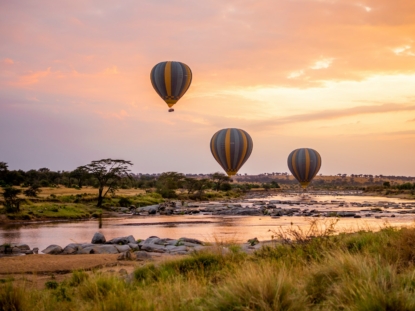
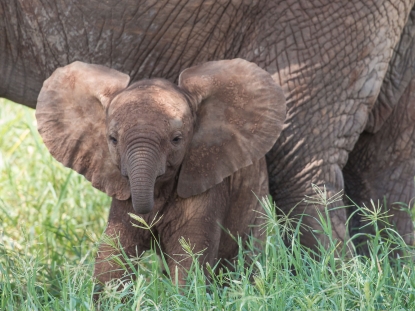
Nyerere National Park is Tanzania’s largest national park, a vast southern wilderness on the Rufiji River known for boat safaris, walking safaris and African wild dogs. African Safari Trails arranges Nyerere safaris with game drives, boating and bush walks, plus the fly-in transfers from Dar es Salaam. Carved from the northern Selous Game Reserve and named for Tanzania’s first president, it is the quiet, water-based heart of the southern safari circuit.
Where the Serengeti is all open plain and crowds at the crossings, Nyerere is the opposite: a huge, watery wilderness in the south where you might not see another vehicle all day. The Rufiji River and its chain of lakes give it something the northern parks cannot, boat safaris among hippos and crocodiles, and it offers some of the finest walking safaris in Tanzania. Wild dogs roam here. African Safari Trails handles the fly-in and the camps.
Why a Nyerere National Park Safari Is Different
A Nyerere safari trades the busy northern circuit for space, water and solitude across more than thirty thousand square kilometres, making it Africa’s largest stand-alone national park. The Rufiji River, Tanzania’s biggest, threads the park into a network of lakes, channels and swamps that draw wildlife and allow activities the dry northern parks cannot offer.
Gazetted from the northern sector of the old Selous Game Reserve and named for Julius Nyerere, the park sits on the southern circuit, far from the migration crowds. It rewards travellers who want wilderness over checklists. African Safari Trails builds a Nyerere safari around its rivers and quiet.
Rufiji River Boat Safaris
The Rufiji River boat safari is Nyerere’s signature, a chance to watch wildlife from the water rather than a vehicle, which few Tanzanian parks allow. Drifting the river and its lakes, you pass pods of hippo, enormous Nile crocodiles basking on the sandbanks, and elephants coming down to drink at the edge.
The birdlife from the water is superb, with fish eagles, skimmers, kingfishers and herons along the banks, and the low angle makes for fine photography. Trips run as short outings or half-day cruises, often with a sundowner. It is the highlight of most visits. African Safari Trails arranges the boating around the day’s game drives.
Nothing in the northern parks prepares you for the Rufiji. You drift past sandbanks stacked with crocodiles, a pod of hippos surfacing beside the boat, fish eagles calling overhead, and an elephant wading the shallows to a palm-fringed island. This is safari from the water, and Nyerere does it better than anywhere in Tanzania.
Walking Safaris in Nyerere
Nyerere is regarded as the finest walking safari destination in Tanzania, where you leave the vehicle behind and explore on foot with an armed ranger and a guide. On foot the bush slows down and sharpens, the tracks, the plants, the dung beetles, the sounds, all the detail a game drive races past.
Several camps run walks, and a few, like the famous fly-camping operations, build whole trips around sleeping out under the stars between walks. It is the closest way to feel the wilderness here. Walking is best in the dry months when the bush thins. African Safari Trails matches you to a camp with strong walking guides.
Game Drive Safaris and the Wildlife
The classic game drive safari still anchors a Nyerere trip, exploring the lakes circuit and the woodland by 4×4 in search of the park’s big game. Lion, leopard and cheetah are all here, with the early morning the best time for predator action around the water, and elephant, buffalo, giraffe, zebra and many antelope widespread.
The standout is the African wild dog, one of the continent’s most endangered predators, which Nyerere holds in good numbers and which is seen here more reliably than in most parks. Sightings are never promised, but the odds are unusually good. African Safari Trails works with guides who track the dogs and cats.
Boat safaris
The Rufiji River signature, watching hippos, crocodiles, elephants and birds from the water, often with a sundowner.
Walking safaris
Tanzania’s finest, on foot with an armed ranger, with fly-camping trips that sleep out between walks.
Game drives
The lakes circuit by 4×4 for lion, leopard, elephant and the park’s well-known African wild dogs.
Birding and fishing
Over 400 species along the water, plus catch and release fishing on the Rufiji at some camps.
Bird Watching Along the Rufiji
Bird watching in Nyerere is some of the best in Tanzania, with over four hundred recorded species drawn to the river, lakes and woodland. The water is the magnet, lined with African skimmers, Pel’s fishing owl, fish eagles, the giant Goliath heron, kingfishers and bee-eaters, while the bush holds the endemic rufous-winged sunbird.
Birds show year-round, but the green season from November to March is richest, when migrants from Europe and Asia arrive and resident birds breed. A boat safari doubles as a birding trip here. African Safari Trails can pair you with a birding guide along the Rufiji.
The Great Selous Wilderness
Nyerere forms the photographic heart of a far larger wild area, part of the greater Selous-Niassa ecosystem that stretches across a huge swathe of southern Tanzania. The old Selous Game Reserve, from which the park was carved, was a UNESCO World Heritage Site, and the grave of the explorer Frederick Selous still lies within the park near Beho Beho.
This depth of wilderness is the appeal: emerald swamps, dead trees standing in the lakes, palm-fringed channels and miombo woodland, with very few visitors across an enormous space. It feels genuinely wild. African Safari Trails bases you in the northern sector where the camps and game concentrate.
Best Time for a Nyerere Safari
Nyerere is best in the dry season, when wildlife gathers at the shrinking water and the bush thins, while the green season brings superb birding and quiet camps. Timing also affects whether boating runs, as very low water late in the dry season can pause river trips.
June to October (dry season)
The prime window, with wildlife packed around the river and lakes and thin bush for game drives and walks. July to October is best, though very low water by October can limit boating.
November to March (green season)
Green and quiet, with the best birding as migrants arrive, restored water levels for boating, and lower lodge rates. Game is more dispersed.
April and May (long rains)
The wettest months, when many camps close and access is hardest, so most visitors avoid this period.
Combine boat, walk and drive, and pair Nyerere with Ruaha. Nyerere’s strength is the range of activities, so the trick is to use all three: an early game drive for predators, a midday rest, then a late-afternoon boat safari with a sundowner, with a walking safari on another morning. Most southern-circuit trips pair Nyerere with neighbouring
Ruaha for a fuller wilderness experience, often as a fly-in loop. African Safari Trails balances the activities and links the two parks.
Getting to Nyerere National Park
Nyerere sits in southern Tanzania, reached most easily by a short light-aircraft flight from Dar es Salaam to one of the park’s airstrips, which takes under an hour and is the usual choice. Driving is possible too, roughly 230 kilometres from Dar to the Mtemere gate, taking about four to five hours on a mix of road conditions.
This is the southern circuit, one of Tanzania’s national parks reached from Dar rather than Arusha, and it combines well with Ruaha or a Zanzibar beach stay. Fly-in is the comfortable option. African Safari Trails arranges the flights, transfers and any onward beach or Ruaha leg.
Nyerere National Park Safari FAQ
How much does it cost to enter Nyerere National Park?
Park entry for foreign non-residents runs around 30 to 50 US dollars per adult per day plus 18 percent VAT, lower than the Serengeti, with reduced rates for children and East African citizens. A Rufiji boat safari is often charged separately, commonly around 25 to 30 dollars per person per hour. Most camps and packages bundle these in. African Safari Trails confirms the current fees and includes them in your quote.
What makes Nyerere different from the Serengeti?
Nyerere is far larger, far quieter and built around water, so it offers boat safaris and walking safaris that the Serengeti cannot, along with reliable wild dog sightings. It lacks the Great Migration, but trades crowds for genuine wilderness and a wider range of activities. African Safari Trails often pairs the two on a north-and-south trip for the best of both.
Can you do boat safaris year-round?
Mostly, but not always. Boating on the Rufiji and its lakes runs through most of the year, though by the end of a dry spell, around October, water levels can drop too low for trips in some areas, and the rains then restore them. The green season is excellent for boating and birds. African Safari Trails checks conditions for your dates and plans around them.
Is Nyerere good for walking safaris?
Yes, it is widely rated the best walking safari park in Tanzania, with several camps running guided walks on foot with an armed ranger, and famous fly-camping trips that sleep out between walks. The dry season suits walking best as the bush is thin. African Safari Trails matches you to a camp known for its walking operation.
How many days do I need in Nyerere?
Three nights is a sensible minimum to enjoy game drives, a boat safari and a walk without rushing, given the travel involved in reaching the south. Many travellers add Ruaha or a Zanzibar beach stay to make a fuller southern trip. African Safari Trails sets the length and combination around your time and budget.
Will I see the Big Five in Nyerere?
You have a good chance of lion, leopard, elephant and buffalo, and the park’s African wild dogs are a highlight, but rhino are effectively absent, so a full Big Five sweep is not the draw here. The appeal is wilderness, water and variety of activity rather than ticking off five animals. African Safari Trails sets honest expectations for what you are likely to see.
Plan Your Nyerere Safari with African Safari Trails
Sorting the fly-in from Dar, choosing a camp with strong boating and walking, and balancing the river trips against the game drives all go more smoothly with someone who knows the Tanzania safari southern circuit, so the wilderness feels effortless rather than remote. African Safari Trails has spent years building Nyerere safaris, with guides who grew up beside these rivers and read the seasons and the water by instinct. They will tell you straight when boating is on and when the dry season has dropped the levels, and shape the days around what you most want, with the camp bookings and transfers handled quietly in the background.
Want a proper quote, or just a steer on pairing Nyerere with Ruaha or a beach? Reach out to African Safari Trails and a real person gets back to you.