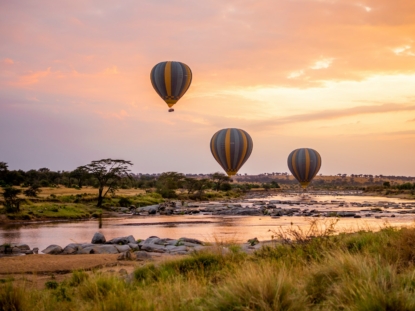
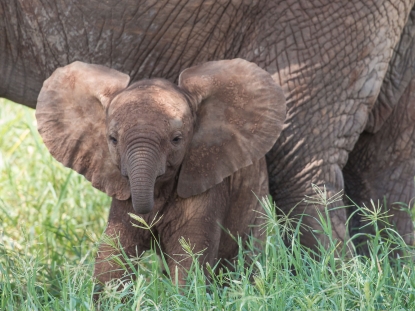
Walking safaris in Tanzania take you on foot through the bush with an armed ranger, a closer, slower way to experience the wild, best in the southern and western parks like Nyerere, Ruaha and Katavi. African Safari Trails arranges walking safaris across Tanzania with armed rangers and expert guides. Away from the vehicle, a walking safari reveals the tracks, plants and small details a game drive races past.
A walking safari changes everything about how you read the bush. Out of the vehicle, on foot behind an armed ranger, you notice the things a drive flies past: fresh tracks in the dust, a dung beetle at work, the alarm call that says a predator is near. Tanzania’s southern and western parks, led by Nyerere, are some of the finest places in Africa to walk, with the wide-open space and few crowds that the activity needs. African Safari Trails arranges the rangers, guides and the right parks.
What a Walking Safari in Tanzania Is Like
A walking safari means heading out on foot in a small group, led by an armed ranger and a guide, usually in the cool of early morning for two or three hours. The pace is slow and quiet, and the focus shifts from big game seen at a distance to the close detail of the bush.
You learn to track, read signs, identify plants and birds and understand how the ecosystem fits together, with the thrill of being on the same ground as the animals. It is about the experience of being in the wild, not chasing a checklist, and pairs naturally with game drives in Tanzania. African Safari Trails matches you with guides who bring the bush to life on foot.
Walking Safaris in Nyerere and the South
Nyerere National Park, Africa’s largest, offers some of the finest walking safaris in Tanzania, its vast, quiet wilderness and the Rufiji River system giving plenty of space to walk safely. Guided walks here turn up wild dogs, big game tracks and the rich birdlife of the river and woodland.
The southern circuit as a whole, far quieter than the north, is built for walking, with camps that pair foot safaris with game drives and boat trips. Walking adds a dimension the vehicle cannot. African Safari Trails builds walking into a southern-circuit trip in Nyerere and beyond.
The first walking safari changes how you see every drive after it. From a vehicle the bush scrolls past like a film; on foot it closes in around you, alive with sound and smell and the quiet authority of a ranger who reads the ground like a page. You may not see more animals, but you feel the wild in a way no game drive can match.
Ruaha and Katavi Walking Safaris
Ruaha and Katavi, the great wild parks of the west and south, are excellent for walking safaris, their remoteness and low visitor numbers making foot exploration feel genuinely raw. Ruaha’s rugged country around the Great Ruaha River and Katavi’s floodplains and seasonal lakes reward those who walk.
These parks see only a trickle of vehicles, so a walk here can feel like having the wilderness to yourself, with elephant, buffalo, hippo and a host of antelope as company. The walking suits adventurous travellers. African Safari Trails arranges walking in Ruaha, Katavi and the western circuit.
Walking Safaris in Arusha National Park
Close to Arusha, the small but varied Arusha National Park is one of the few northern parks where walking safaris are a highlight, since it has no lions, making guided walks safe and easy among giraffe, buffalo, zebra and colobus monkeys. A ranger-led walk explores the Momella Lakes and forest.
The park is also the gateway to Mount Meru, whose multi-day climb is itself a long walking trek, and the lower-slope walks make a fine, gentle taste of foot safari near the start of a trip. It is an easy introduction to walking. African Safari Trails arranges Arusha walks and the Meru climb.
What You See on Foot
A walking safari shifts the scale of what you notice. Rather than the big cats a drive seeks, you focus on tracks and signs, dung and feathers, insects, plants and the smaller creatures, learning to piece together what has passed and how the bush works.
You may well meet larger animals too, elephant, buffalo, giraffe, antelope and plenty of birds, which on foot feel far more immediate, though rangers keep a careful, safe distance. The meetings are quieter but more intense. African Safari Trails pairs you with guides who read the bush closely.
Nyerere and the south
Some of Tanzania’s finest walking, in Africa’s largest park, with wild dogs, river birdlife and vast quiet wilderness.
Ruaha and Katavi
Remote western and southern parks where walks feel genuinely raw, among elephant, buffalo, hippo and antelope.
Arusha National Park
A safe, lion-free park near Arusha for easy guided walks, plus the Momella Lakes and the Mount Meru climb.
On foot
Tracks, plants, insects and small details a drive races past, with larger game felt up close at a safe distance.
Safety, Rangers and the Rules
Walking safaris in Tanzania are run with safety first, always led by an armed ranger alongside your guide, in small groups, with a clear briefing before you set off. You walk single file, stay quiet, keep close and follow instructions, since you are sharing ground with wild animals.
Rangers read the bush constantly and keep a careful distance from anything that could pose a risk, so walks are safe when the rules are followed. A reasonable level of fitness helps for the early starts and uneven ground. The discipline is part of the experience. African Safari Trails works with experienced, properly licensed walking guides and rangers.
Walking Safaris in the Northern Circuit
The famous northern parks are mostly built for game drives, but some walking safaris are possible, especially in private concessions and reserves bordering the Serengeti, Tarangire and Ngorongoro, where walking rules are more relaxed than inside the parks. These walks add variety to a classic northern trip.
Guided walks on the Ngorongoro Highlands, around Lake Natron and in Tarangire’s quieter corners let you stretch your legs and read the bush on foot between drives. They suit travellers wanting more than the vehicle. African Safari Trails builds walking into a northern itinerary where it is allowed.
Best Time for a Walking Safari
The dry season is clearly the best time for a walking safari, when the bush is thinner, the going firmer and the wildlife gathered near water, while the green season brings tougher walking and thicker cover. Early mornings are best whatever the season.
June to October (dry season)
The best for walking, with thin bush, firm ground, easy visibility and wildlife concentrated near water in the southern and western parks.
January to March (green spell)
Green and quieter, with good birding and newborns, though thicker bush makes walking harder and some southern camps adjust.
April to May (long rains)
The wettest months, with tall grass and muddy ground that make walking difficult, and many southern and western camps close.
Head south or west, come reasonably fit, and pair walks with drives. The southern and western parks, led by Nyerere, Ruaha and Katavi, are the true home of Tanzanian walking safaris, with the space, solitude and relaxed rules the activity needs, while the northern parks mostly offer walking only in bordering concessions. Bring a decent level of fitness and broken-in shoes for the early starts and uneven ground, and treat walking as a complement to game drives and boat trips rather than a replacement. The dry season is the time to go. African Safari Trails sets the parks, pace and balance.
Planning a Walking Safari
A walking safari usually forms part of a wider trip rather than the whole of it, woven into days that also include game drives and, in the south, boat safaris. The southern and western parks are reached by light aircraft from Dar es Salaam or Arusha, with walking run from the camps.
A couple of nights in a walking-focused camp gives time for several morning walks, and combining the south with the northern circuit or a beach stay makes a full trip, and it sits well alongside the wider range of things to do in Tanzania. The logistics suit a planned, guided itinerary. African Safari Trails arranges the camps, flights, rangers and the balance of activities.
Walking Safaris in Tanzania FAQ
How much does a walking safari cost?
Walking is usually an added activity on top of park entry, with a walking or armed-ranger fee of roughly 20 to 30 US dollars per person or group depending on the park, plus the usual park, guide and accommodation costs. The southern and western parks also involve fly-in costs. African Safari Trails builds a clear, all-in quote.
Are walking safaris safe?
Yes, when run properly. Walks are always led by an armed ranger alongside a guide, in small groups, with a clear briefing, and you walk single file, stay quiet and follow instructions, since rangers keep a careful distance from anything risky. Following the rules is key. African Safari Trails works with experienced, licensed walking guides and rangers.
Where are the best walking safaris in Tanzania?
The southern and western parks are the finest, led by Nyerere, with Ruaha and Katavi also excellent, thanks to their space, solitude and relaxed walking rules. In the north, Arusha National Park allows easy walking, and bordering concessions add foot safaris to the main circuit. African Safari Trails matches the parks to your trip.
How fit do I need to be?
A reasonable level of fitness helps, since walks involve early starts and a couple of hours on uneven ground, though they are not usually strenuous, moving at a slow, quiet pace. Sturdy, broken-in shoes and a hat are worth bringing. African Safari Trails matches the walks to your fitness.
Can I do a walking safari on the northern circuit?
To a degree. The famous northern parks are mostly built for game drives, but walking is possible in private concessions and reserves bordering the Serengeti, Tarangire and Ngorongoro, and in Arusha National Park, which has no lions. African Safari Trails builds walking into a northern trip where it is allowed.
When is the best time for a walking safari?
The dry season from June to October is best, with thin bush, firm ground and good visibility, while the long rains of April and May make walking difficult and close many southern and western camps. Early mornings are best whatever the season. African Safari Trails times your walking for the best conditions.
Plan Your Walking Safari with African Safari Trails
Choosing the right parks, lining up experienced walking rangers, and balancing foot safaris with drives and boat trips all go more smoothly with someone who knows where walking works best in Tanzania, so you get the close, quiet thrill the activity promises rather than a token stroll. African Safari Trails has spent years building walking safaris, with guides who read tracks, plants and the bush by instinct rather than a brochure. They will tell you straight which parks suit walking and what to expect on foot, and shape the days around the experience, with the camps, flights and rangers handled quietly in the background.
Want a proper quote, or just a steer on where to walk? Reach out to African Safari Trails and a real person gets back to you.