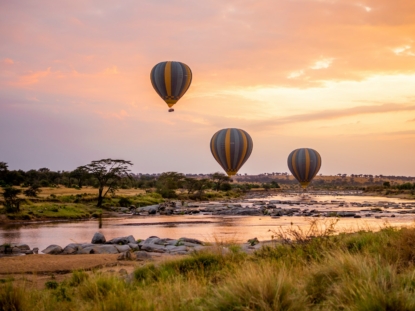
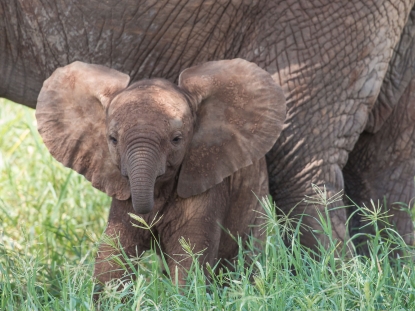
Saanane Island National Park is the smallest national park in Tanzania, a rocky island in Lake Victoria beside Mwanza city, explored on foot among tame impala, zebra and rare de Brazza’s monkeys. African Safari Trails arranges Saanane visits with guided walks, birding and boat trips, a five-minute crossing from the Mwanza waterfront. Covering about 2.18 square kilometres, it is the only Tanzanian park within a city and an easy half-day in nature.
Saanane is the safari you can do in an afternoon, a tiny granite island just off the Mwanza waterfront and the only national park in Tanzania that sits inside a city. A five-minute boat ride drops you onto a rocky islet where you walk among unbothered impala and zebra, watch for the rare de Brazza’s monkey, and take in wide views over Lake Victoria. It is no substitute for the Serengeti, but it is a charming, easy stop. African Safari Trails handles the crossing and the guide.
Why a Saanane Island Safari Stands Out
A Saanane safari stands out for being the smallest national park in Tanzania and the only one inside a city, just 2.18 square kilometres of granite island and surrounding water in Mwanza’s bay on Lake Victoria. It is the easiest wildlife outing in the country, reached in a few minutes by boat and walked on foot in a few hours.
The draw is the novelty and the ease: a vehicle-free walking park where the animals are relaxed, the rocks and lake views are fine, and a half-day fits neatly into a Mwanza stopover. It became Tanzania’s sixteenth national park in 2013. African Safari Trails builds Saanane in as a quick, easy break in a wider trip.
A Walking Safari in the City
A walking safari is how you see Saanane, since there are no vehicles on the island, just trails winding among the granite outcrops and acacia. A guided walk with a TANAPA ranger takes a few hours and brings you close to the wildlife on foot, a calm, low-key contrast to a vehicle-based safari elsewhere.
The impala and zebra here are notably tame, used to quiet visitors on foot, so sightings are easy and close, and the compact trails suit families and children of any age. Routes like the Mwanza Rock and Hippo Point trails lead to the shore. African Safari Trails arranges the guided island walk.
Saanane upends the usual safari. No vehicles, no dawn starts, no long drives, just a five-minute boat hop from the middle of Mwanza onto a granite island where impala graze between the rocks and a rare monkey with a white beard watches from the trees. It is the smallest national park in the country, and one of the easiest afternoons in nature you will ever have.
De Brazza’s Monkeys and Wildlife
Saanane’s claim to fame is the de Brazza’s monkey, a striking primate with a white beard, reddish cap and blue facial skin, a Central African species at the eastern edge of its range, with Saanane the only Tanzanian park holding a resident population. The small colony is shy but can be seen with a patient, quiet walk.
The island also supports impala, zebra, rock hyrax basking on the granite, vervet and Sykes’ monkeys, dik-dik and the African wildcat, with monitor lizards, agamas, tortoises and crocodiles among the reptiles. The mix is surprising for so small a place. African Safari Trails plans the walk to take in the de Brazza’s monkey country.
Rock Climbing and Lake Views
The granite that defines Saanane, the famous Mwanza stones, makes the island as much about scenery as wildlife, with rocky outcrops and gently sloping hills giving wide views over Lake Victoria and the Mwanza skyline. Scrambling the rocks to a viewpoint is part of a visit, finest at sunrise and sunset.
The island’s smooth granite domes are a hallmark of the Mwanza region, echoing the well-known Bismarck Rock nearby, and they make fine vantage points and photographs. The lake views are a highlight in their own right. African Safari Trails arranges the walk to take in the best of the rocks and views.
Bird Watching on Saanane
Bird watching is a quiet pleasure on Saanane, with dozens of resident and migrant species across the island, shore and surrounding water. The African fish eagle is a highlight, nesting on the island’s cliffs and calling over the lake, alongside the Goliath heron, malachite kingfisher, African openbill stork, ospreys and sunbirds.
The rocky outcrops serve as perches for raptors, and the lakeshore trails are good for aquatic birds, with the wet season bringing migrants. Birding folds easily into the island walk. African Safari Trails can pair you with a guide who knows the island’s birds.
Boat Trips and Lake Victoria
Getting to Saanane is itself a short boat trip, and a longer cruise around the island and its shore is a pleasant addition, taking in the granite cliffs, the fish eagles and the wider sweep of Lake Victoria, Africa’s largest lake. The water is part of the park, with its own fish and birdlife.
A boat lets you see the island from the lake, watch for monitor lizards swimming and birds along the shore, and enjoy the Mwanza skyline from the water. Picnics on the island shore round out a visit. African Safari Trails arranges the boat trips and the crossing.
Guided island walk
A vehicle-free walking safari among tame impala, zebra and rock hyrax, with a TANAPA ranger, on compact, family-friendly trails.
De Brazza’s monkey
The only resident population in any Tanzanian park, a white-bearded, blue-faced primate, shy but seen with a patient walk.
Rocks and lake views
The famous Mwanza granite, with viewpoints over Lake Victoria and the city skyline, finest at sunrise and sunset.
Boat trips and birding
A short crossing and island cruise, with fish eagles, herons, kingfishers and other lakeshore birds.
The Story of Saanane Island
Saanane takes its name from Mzee Saanane Chawandi, a fisherman turned farmer who once owned the island, was compensated, and moved to a neighbouring island to make way for conservation in the early 1960s. The government took the island in 1964 as the country’s first state-owned animal collection, meant for wildlife education and recreation for the people of Mwanza.
Over the decades it grew from a small enclosure into a protected island, and in 2013 it was upgraded to become Tanzania’s smallest national park. That history as a city wildlife retreat still shapes its relaxed character. African Safari Trails works with guides who share the island’s story.
Best Time for a Saanane Safari
Saanane is a city park open year-round, so the best time is simply whenever you are in Mwanza, with the dry season offering the calmest crossing and the wet season bringing more migrant birds. A half-day is enough for the island.
June to October (dry season)
The calmest lake crossing, clearest light for photography and most comfortable walking on the island trails. The easiest time overall.
November to May (wet season)
More migrant birds on the lake and around the island, with green scenery, though heavy lake squalls can briefly delay the short crossing.
Year-round note
Being a city park reached in minutes by boat, Saanane works at any time, an easy half-day whenever your travels bring you to Mwanza.
Treat Saanane as a relaxed half-day, and pair it with Mwanza or a Lake Victoria circuit. Allow three to four hours for the boat crossing and the island trail, ideally in the cooler morning or late afternoon when the wildlife is active and the light is best for the rocks and lake. It pairs neatly with Mwanza city, the Sukuma Museum and Bismarck Rock, or as a gentle start before flying to the
Serengeti or on to
Rubondo Island. African Safari Trails fits it into your Lake Victoria plans.
Getting to Saanane Island National Park
Saanane sits in Mwanza’s bay on Lake Victoria, just off the city, and is reached by a short boat crossing of around five minutes from the park’s mainland jetty near Capri Point, itself only a few minutes from the city centre. The jetty operates through the day, and the island has a restaurant but no accommodation.
You first reach Mwanza, Tanzania’s second city, by air from Dar es Salaam or Kilimanjaro, by road or rail from across the country, or by lake ferry, then make the quick crossing. Stay in Mwanza and day-trip to the island. African Safari Trails arranges the Mwanza travel and the island crossing.
Saanane Island National Park Safari FAQ
How much does it cost to visit Saanane Island National Park?
Park entry for foreign non-residents is modest, in the region of 20 to 30 US dollars per adult plus 18 percent VAT, with a small boat fee for the crossing on top, and East African citizens and residents paying lower rates. It is one of the cheapest park experiences in Tanzania. African Safari Trails confirms the current fees and includes them in your quote.
How do I get to Saanane Island?
By a short boat crossing of about five minutes from the park’s mainland jetty near Capri Point in Mwanza, only a few minutes from the city centre. You first reach Mwanza by air, road, rail or lake ferry, then make the quick crossing. The jetty operates through the day. African Safari Trails arranges the Mwanza travel and the island crossing.
What wildlife can I see on Saanane?
The island holds tame impala and zebra, rock hyrax, vervet and Sykes’ monkeys, dik-dik and the African wildcat, with monitor lizards, tortoises and crocodiles among the reptiles. Its standout is the de Brazza’s monkey, found in no other Tanzanian park, plus fish eagles and lakeshore birds. African Safari Trails plans the walk to take in the wildlife.
Is Saanane worth visiting?
As a relaxed half-day during a Mwanza stop, yes, especially for the de Brazza’s monkey, the lake views and the novelty of a national park inside a city. It is an easy, family-friendly outing rather than a substitute for a full safari park. African Safari Trails fits it into a Lake Victoria or northern trip.
Is there accommodation on the island?
No, there is no accommodation on Saanane Island, though it has a restaurant, so visitors stay in Mwanza city, which offers everything from budget to comfortable lake-view hotels, and day-trip to the island. African Safari Trails arranges your Mwanza base and the island visit.
How long do I need at Saanane?
About three to four hours is plenty for the boat crossing and the island trail, making it an easy half-day rather than a full safari day. Morning or late afternoon is best for active wildlife and good light. African Safari Trails sets it within your wider Lake Victoria or northern plans.
Plan Your Saanane Safari with African Safari Trails
Timing the crossing, finding a good Mwanza base, and pairing the island with the city or a Lake Victoria circuit all go more smoothly with someone who knows Mwanza, so a quick half-day stays easy and worthwhile. African Safari Trails has spent years arranging Lake Victoria trips, with guides who know the island, its de Brazza’s monkeys and its birds by instinct rather than a brochure. They will tell you straight what a half-day delivers and how to fit it around your travels, and shape the visit around the walk, the rocks and the lake, with the crossing and base handled quietly in the background.
For more ideas, browse the other Tanzania national parks or our full range of Tanzania safaris. Want a proper quote, or just a steer on adding Saanane to a Mwanza stop? Reach out to African Safari Trails and a real person gets back to you.