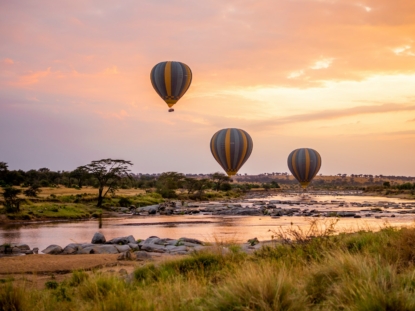
Mikumi National Park is southern Tanzania’s most accessible safari park, an open savanna often called the Little Serengeti and home to lions, elephants, giraffe and zebra on the Mkata Floodplain. African Safari Trails arranges Mikumi safaris with game drives, walking safaris and the easy transfer from Dar es Salaam. Covering about 3,230 square kilometres beside Nyerere National Park, it is the quickest big-game safari to reach in the country.
Mikumi is the southern circuit’s easy win, a proper big-game park barely four to five hours from Dar es Salaam, which makes it the go-to for a short safari or a weekend out of the city. The Mkata Floodplain spreads out like a smaller Serengeti, with lions on the termite mounds, elephants in the acacias and zebra and buffalo across the grass. It links straight into Nyerere for a longer trip. African Safari Trails handles the transfer and the planning.
Why a Mikumi National Park Safari Stands Out
A Mikumi safari stands out for accessibility and value, delivering reliable big-game viewing across roughly 3,230 square kilometres without the long travel or high cost of the famous parks. The open Mkata Floodplain gives easy sightings, and the park’s place in the greater Selous ecosystem, beside Nyerere, means wildlife moves freely through a vast wilderness.
The country’s fourth-largest park, often called the Little Serengeti, it suits travellers short on time or money who still want a genuine safari, and it pairs naturally with Nyerere, Ruaha or a Zanzibar beach stay. The Uluguru and Rubeho mountains frame the plains. African Safari Trails builds Mikumi into a southern trip or a standalone short safari.
The Mkata Floodplain and Game Drive Safaris
The Mikumi game drive safari centres on the Mkata Floodplain in the park’s northwest, a wide open savanna of grassland and acacia that draws the comparison with the Serengeti. A good network of tracks crosses it, and the waterholes reward those who park and wait, with animals coming and going through the day.
Here you find elephant, giraffe, zebra, wildebeest, buffalo, impala and eland against a backdrop of distant hills, the open ground making sightings easy even for first-timers. The main road circuit runs around sixty kilometres. The quieter south has a wilder feel for those who venture in. African Safari Trails plans a drive across the floodplain and beyond.
The Mkata Floodplain does a fair impression of the Serengeti at a fraction of the distance from the coast. Lions watch from the termite mounds, elephants drift through the acacias, and herds of zebra and buffalo graze the open grass, all within a morning’s drive of the highway. For a short safari, little in Tanzania matches it for ease.
Lions, Predators and the Big Four
Mikumi holds four of the Big Five, with lion, leopard, elephant and buffalo present, though rhino are absent for now, with a reintroduction planned. The lions are the headline, sometimes seen surveying the plains from termite mounds or, like their cousins at Lake Manyara, draped in the trees during the rains.
Leopard and spotted hyena are here too, harder to spot, and the park is a refuge for the endangered African wild dog, an uncommon and prized sighting. Predator sightings take patience and luck, but the open ground helps. African Safari Trails works with guides who know where the cats and dogs range.
Wildlife and the Rare Antelope
Beyond the headline game, a Mikumi safari turns up an unusual cast for those who look. The park shelters the eland, the world’s largest antelope, in good numbers, along with the greater kudu, the elegant sable antelope and the localised Lichtenstein’s hartebeest, species that are scarce or absent in the busier northern parks.
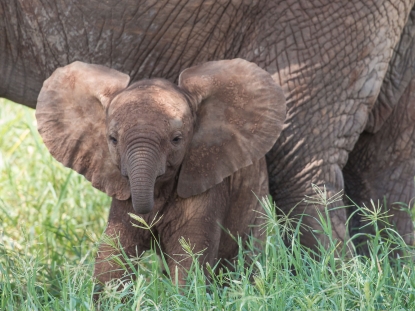
Yellow baboon and vervet monkey troops range throughout, hippos wallow in the pools near the main gate, and a distinctive smaller elephant is found here. This mix of the common and the rare is part of Mikumi’s quiet appeal. African Safari Trails plans drives to reach the areas these animals favour.
Mkata Floodplain
The open, Serengeti-like heart of the park, easy game viewing of lions, elephants, giraffe, zebra and buffalo.
Hippo pools
Two hippo-filled pools just north of the main gate, a reliable stop for hippo, crocodile and a wealth of water birds.
Walking and night safaris
Guided walks with an armed ranger and after-dark drives, for a closer, quieter angle on the bush.
Rare antelope
Eland, greater kudu, sable and Lichtenstein’s hartebeest, species harder to find on the northern circuit.
Walking Safaris and Night Drives
A walking safari in Mikumi swaps the vehicle for a guided walk with an armed ranger, available through some camps, getting you close to the tracks, plants and smaller life a drive races past. It is a quieter, more grounded way to read the bush, run as short morning or afternoon outings.
Night game drives, offered in the park, open up the nocturnal world, with spotlights picking out hyena, civet, genet and the chance of hunting cats. Both carry their own fees and need arranging ahead. They add variety to a drive-based visit. African Safari Trails arranges walking safaris and night drives where available.
Bird Watching in Mikumi
Bird watching in Mikumi records over 400 species across the floodplain, woodland and the hippo pools, a strong list for so accessible a park. The open grassland holds the lilac-breasted roller, yellow-throated longclaw and bateleur eagle, while the pools and waterholes draw herons, storks and other water birds.
The wet season from November brings European migrants and breeding colour, the richest window for birds, though the variety rewards a sharp eye year-round. Birding folds naturally into a game drive here. African Safari Trails can pair you with a birding guide across the park’s habitats.
Best Time for a Mikumi Safari
Mikumi works year-round thanks to its open country and easy access, but the dry season is clearly best for game viewing, while the wet season brings birds and green scenery with some harder access. The park’s equatorial setting keeps temperatures fairly even.
June to October (dry season)
The best for wildlife, with thin vegetation and animals gathered at the Mkata River, pools and waterholes. Cool, sunny and reliable.
January and February (short dry spell)
A drier break in the green season with fewer crowds and good game viewing, an easy time to combine with the coast.
March to May and November (wet seasons)
Green, humid and best for birds, though some floodplain tracks turn impassable and a few lodges close in the heaviest rains.
Use Mikumi for a short safari from Dar or Zanzibar, and pair it with Nyerere. Mikumi’s great advantage is reach, so it works as a one or two day safari from Dar es Salaam by road or rail, or even a fly-in day trip from Zanzibar between beach days. For a fuller trip, link it with neighbouring Nyerere National Park or push on to Ruaha and the
Udzungwa Mountains for a proper southern circuit. African Safari Trails builds the right combination around your time.
Getting to Mikumi National Park
Mikumi is the easiest big-game park to reach in Tanzania, about 280 kilometres and four to five hours west of Dar es Salaam along the surfaced Tanzam Highway, which runs right through the park. The modern railway also reaches nearby Morogoro in around ninety minutes, and charter flights serve the park’s airstrip.
This easy access is its defining feature, making it a popular weekend trip from the city and a natural first leg of a southern circuit toward Nyerere and Ruaha. A 4×4 is best for the floodplain tracks. African Safari Trails arranges the road, rail or air transfer and the wider southern circuit.
Mikumi National Park Safari FAQ
How much does it cost to enter Mikumi National Park?
Park entry for foreign non-residents is around 30 to 35 US dollars per adult for each 24 hour period, plus 18 percent VAT, with children aged 5 to 15 paying about 10 dollars, residents 15 dollars, and East African citizens roughly 5,000 shillings. A night drive adds about 50 dollars and a walking safari 20 to 25. Park fees are usually paid by card or prepaid, not cash. African Safari Trails confirms the current fees and includes them in your quote.
How do I get to Mikumi from Dar es Salaam?
It is about 280 kilometres and four to five hours by road on the surfaced Tanzam Highway, which runs through the park, making it the most accessible big-game park in Tanzania. The railway reaches nearby Morogoro in around ninety minutes, and charter flights serve the airstrip. African Safari Trails arranges the road, rail or air transfer to suit you.
Can you see the Big Five in Mikumi?
You can see four of them, lion, leopard, elephant and buffalo, but rhino are currently absent, with a reintroduction planned, so Mikumi offers the Big Four. It also holds the endangered African wild dog and rare antelope like sable and eland. African Safari Trails sets honest expectations and can pair Mikumi with parks that complete the picture.
Is Mikumi worth visiting on a short trip?
Very much so. Its closeness to Dar es Salaam and open, game-rich Mkata Floodplain make it ideal for a one or two day safari, a weekend break, or a fly-in day trip from Zanzibar, with reliable sightings and far fewer crowds than the northern parks. African Safari Trails builds a short Mikumi safari or links it into a longer southern circuit.
How many days do I need in Mikumi?
One day delivers a genuine safari given the easy access, but two days, or a two-night stay, allows for relaxed morning and afternoon game drives and better odds with the predators. Many travellers pair it with Nyerere or Ruaha. African Safari Trails sets the length and combination around your time and budget.
When is the best time to visit Mikumi?
The dry season from June to October is best for game viewing, when the vegetation thins and animals gather at the water, with January and February a good drier window too. The wet months from March to May and November bring birds and green scenery but harder access. African Safari Trails times your visit around what you want to see.
Plan Your Mikumi Safari with African Safari Trails
Arranging the transfer from Dar or Zanzibar, deciding whether Mikumi stands alone or links into Nyerere and Ruaha, and timing the drives for the dry-season game all go more smoothly with someone who knows the southern circuit, so an easy safari stays easy. Mikumi is one of the most rewarding of Tanzania’s national parks for a first taste of the bush, and it slots into any wider Tanzania safari. African Safari Trails has spent years building Mikumi safaris, with guides who grew up beside these parks and read the seasons by instinct rather than a brochure. They will tell you straight what a day or two can deliver and what a longer trip adds, and shape the days around what you most want, with the park bookings and transfers handled quietly in the background.
Want a proper quote, or just a steer on a short safari from the coast? Reach out to African Safari Trails and a real person gets back to you.