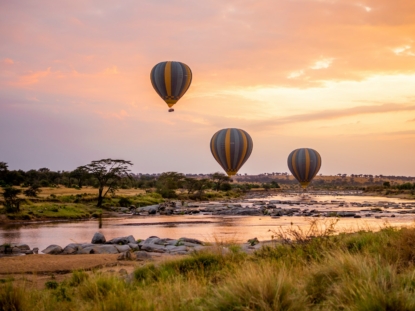
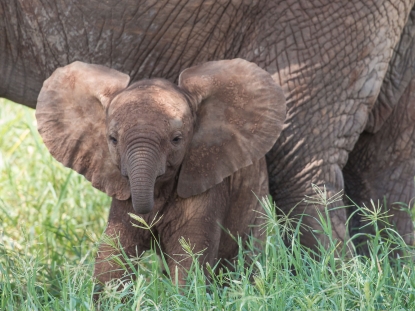
Wildlife viewing in Tanzania means the Big Five, great cats, the Great Migration and far more across parks like the Serengeti, Ngorongoro, Ruaha and Nyerere. African Safari Trails arranges Tanzania wildlife viewing safaris across the northern, southern and western circuits. From the plains to the rivers, few countries match its range and numbers of animals.
Tanzania is one of the best places on earth to watch wild animals. It holds the Big Five, some of Africa’s greatest lion and cheetah country, the largest elephant numbers in East Africa and the Great Migration, all spread across national parks that range from the open Serengeti plains to the rivers of the south and the remote west. The trick is matching the right parks to what you want to see, and that is where African Safari Trails comes in.
Wildlife Watching Across Tanzania
Wildlife watching in Tanzania is built around an unusual spread of habitats, from the short-grass plains of the Serengeti to Ngorongoro’s crater floor, the baobab country of Tarangire, the rivers of the south and the wild woodlands of the west, each holding a different cast of animals.
That range is why Tanzania can offer the migration, the Big Five, great cats and rarer species all in one country. No single park does everything, so most trips combine a few. The wildlife is wild and sightings are never guaranteed, but the odds are among Africa’s best. African Safari Trails builds the right mix of parks for the wildlife you want.
The Big Five
The Big Five, lion, leopard, elephant, buffalo and rhino, are the classic goal of wildlife viewing, and Tanzania holds them all, though they are spread across different parks. Lion, elephant and buffalo are widespread and commonly seen, while leopard takes more luck and patience in riverine woodland.
The rhino is the hard one, since black rhino are scarce, with the Ngorongoro Crater the one reliable place to see them in the wild, making the crater the best spot to aim for all five in a single day. Elsewhere, four of the five are realistic. African Safari Trails plans around where the Big Five actually are.
Big Cats and Other Predators
Tanzania is superb cat country. The Serengeti holds famous lion prides and is one of the best places anywhere to watch them hunt, while Ruaha is thought to hold around a tenth of the world’s remaining lions in big prides. Leopard haunt riverine trees across the northern and southern parks.
Cheetah favour the open Serengeti plains, where the space suits their speed, and the elusive wild dog is best looked for in Nyerere, Ruaha, Mikumi and Katavi, some of Africa’s finest dog country. Smaller cats like serval and caracal turn up too. The predator viewing is a real highlight. African Safari Trails targets the parks where the cats and dogs run.
No two Tanzanian parks show you the same animals. The Serengeti is the place for the great cats and the migration, Ngorongoro for the Big Five in a single crater morning, Tarangire for elephant herds among the baobabs, Ruaha and Katavi for lions and buffalo in raw wilderness, and Nyerere for wild dogs along the river. The art of a good safari is stringing the right ones together.
Watching the Great Migration
The Great Migration is Tanzania’s wildlife headline, roughly a million and a half wildebeest, zebra and gazelle moving through the Serengeti year-round in a vast, rain-driven loop. It is the largest movement of land mammals on earth, and watching it is many travellers’ main reason to come.
The calving season of late January to March packs the southern plains with newborns and predators, the herds cross the Western Corridor around June, and the dramatic Mara River crossings run roughly July to October in the north. There is no off-season, just different chapters. African Safari Trails times and places you for the right stage.
Wildlife on the Northern Circuit Safari
The northern circuit is Tanzania’s classic wildlife safari, linking four standout parks. The Serengeti delivers the great cats and the migration, Ngorongoro packs the Big Five and dense game onto its crater floor, Tarangire holds the highest elephant numbers in northern Tanzania among its baobabs, and Lake Manyara adds flamingos and the odd tree-climbing lion.
The four sit within a day’s drive of each other and of Arusha, making for an efficient, varied first Tanzania safari with reliable, high-volume game viewing. It is the most popular route for good reason. African Safari Trails builds a northern circuit around the wildlife and your pace.
Southern and Western Safari Parks
The southern and western parks offer wilder, quieter wildlife viewing on a different safari circuit. Nyerere, Africa’s largest park, holds wild dogs, big game and superb river wildlife on the Rufiji, while Ruaha boasts huge elephant herds, big lion prides and both greater and lesser kudu.
Further west, Katavi is one of Africa’s last truly wild parks, with buffalo herds a thousand strong and the densest hippo and crocodile numbers in the country, and Mikumi offers an easy taste of the south. These parks see few vehicles. African Safari Trails builds southern and western circuits for those wanting space.
Serengeti and the migration
The great cats and over a million wildebeest on the move, the headline of Tanzanian wildlife viewing year-round.
Ngorongoro Crater
The best chance of the Big Five in a single day, including the wild black rhino, on a dense, game-packed crater floor.
Ruaha, Katavi and Nyerere
Wild dogs, huge lion prides and elephant herds, buffalo and hippo in the raw, little-visited south and west.
Tarangire elephants
The highest elephant numbers in northern Tanzania among ancient baobabs, with strong dry-season game around the swamps.
Rarer Wildlife and Where to See It
Beyond the headline animals, Tanzania rewards those after rarer wildlife. The dry-country gerenuk, oryx and lesser kudu are reliably found only in Mkomazi in the north-east, while sable and roan antelope favour Ruaha, Katavi and the remote Ugalla River park, the latter holding the country’s largest herds.
Tree-climbing lions are an occasional treat in Lake Manyara and Tarangire, the secretive sitatunga haunts the lake parks like Rubondo and Burigi-Chato, and the western forests hold chimps. These specialities need the right park and a little luck. African Safari Trails plans around the rarer species you most want to see.
Game Drives and How You Watch Wildlife
Most wildlife viewing happens on a game drive, out in an open vehicle with a guide, usually in the cooler hours of early morning and late afternoon when animals are most active. A good guide and a sharp pair of eyes make all the difference to what you find.
Night drives are not allowed inside the national parks, though some private concessions on the borders permit them, and boat safaris and walking add other ways to watch. Photography, patience and time in the right place all help. African Safari Trails pairs you with guides who know where the wildlife will be.
Best Time for Wildlife Watching
The dry season is the easiest time for wildlife watching, when thinning bush and shrinking water concentrate animals and make them simpler to find, while the green season brings newborns, fewer crowds and superb birding. The migration has its own calendar.
June to October (dry season)
The best for general game viewing, with animals concentrated at water, thin bush and the northern Serengeti river crossings.
January to March (green season)
The southern Serengeti calving season, with newborns and high predator action, plus green scenery and excellent birding.
April to May (long rains)
The wettest, quietest and cheapest months, with thick bush making game harder to spot and some southern camps closed.
Combine a few parks, go in the dry season for general game, and never expect guarantees. No single Tanzanian park does everything, so the richest wildlife viewing comes from stringing together complementary parks: the Serengeti and Ngorongoro for cats, migration and the Big Five, Tarangire for elephants, or a southern circuit of Nyerere and Ruaha for wild dogs and wilderness. The dry season concentrates animals and makes them easier to find, while the green season trades easy viewing for newborns and birds. Wildlife is wild, so sightings vary with luck and season. African Safari Trails sets the right mix and timing.
Wildlife Viewing in Tanzania FAQ
How much does a wildlife safari in Tanzania cost?
Costs vary widely with comfort and season, driven by park fees, vehicle, guide and accommodation. Northern-circuit park fees run from around 45 to 80 US dollars per person per day plus VAT, with southern and western parks generally lower but adding fly-in costs. African Safari Trails builds a clear, all-in quote around your chosen circuit and style.
Where is the best wildlife viewing in Tanzania?
The Serengeti for great cats and the migration and the Ngorongoro Crater for the Big Five in a day are the headline northern spots, while Ruaha, Katavi and Nyerere offer wilder, quieter viewing with wild dogs and big herds. Tarangire is best for elephants. African Safari Trails matches the parks to what you want to see.
Can I see the Big Five in Tanzania?
Yes, though they are spread across parks. Lion, elephant and buffalo are widely seen, leopard takes patience, and black rhino are scarce, with the Ngorongoro Crater the one reliable place to see them, which makes the crater the best spot to aim for all five in a single day. African Safari Trails plans around where they actually are.
Are wildlife sightings guaranteed?
No. The animals are wild and free-ranging, so even in the best parks and seasons sightings vary with luck, weather and time of year, and a particular animal is never promised. More days and the right parks improve the odds. African Safari Trails sets honest expectations and builds in time where it can.
When is the best time for wildlife viewing?
The dry season from June to October is best for general game viewing, with animals concentrated at water and the northern Serengeti river crossings, while the green season from January to March brings the calving herds and superb birding. African Safari Trails times your trip around what you most want to see.
Can you do night drives in Tanzania?
Not inside the national parks, where driving is daytime only, though some private concessions and reserves on the park borders permit night drives, which can turn up nocturnal species. Boat safaris and walking add other ways to watch wildlife. African Safari Trails builds in night drives where they are allowed.
Plan Your Wildlife Safari with African Safari Trails
Matching the right parks to the animals you most want, timing the trip for the migration or the dry-season concentrations, and pairing you with guides who know where wildlife will be all go more smoothly with someone who knows Tanzania’s parks, so your days deliver the cats, herds and rarer species rather than long drives between them. African Safari Trails has spent years building wildlife safaris across the northern, southern and western circuits, with guides who read the bush by instinct rather than a brochure. They will tell you straight which parks suit your wish list and how long to give each, and shape the trip around the wildlife, with the logistics handled quietly in the background.
Want a proper quote, or just a steer on which parks to combine? Reach out to African Safari Trails and a real person gets back to you.